
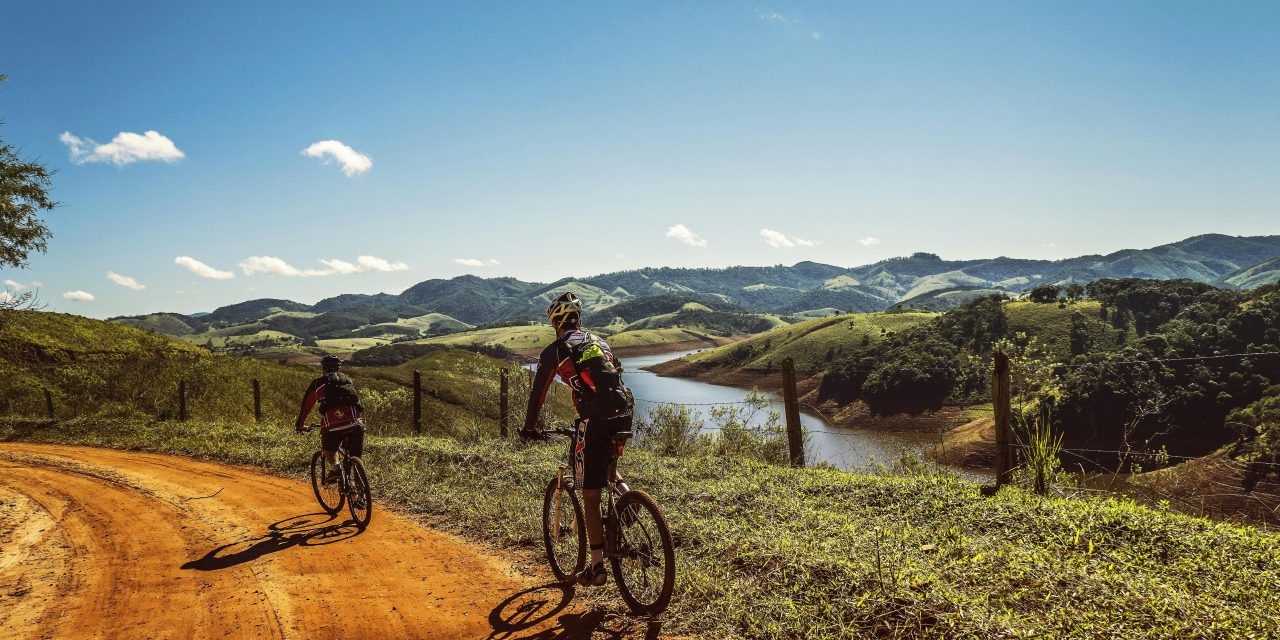
New research from Paul’s Cycles has highlighted a significant imbalance in access to technically challenging mountain bike trails across England, with the retailer suggesting the shortfall could be contributing to unofficial trail riding.
The analysis ranks English counties according to the number of routes listed as “hard” or “strenuous” on AllTrails. According to Paul’s Cycles, there are 29% fewer challenging routes than family-friendly options, while an estimated 78% of England’s Rights of Way network is currently inaccessible to cyclists.

The retailer said the areas with the biggest access issues are:
| County | Region | Share of England’s challenging trails (%) |
| Tyne and Wear | North East | 0.0% |
| Herefordshire | West Midlands | 0.1% |
| Bedfordshire | East of England | 0.1% |
| Rutland | East Midlands | 0.1% |
| Cambridgeshire | East of England | 0.2% |
| Bristol | South West | 0.2% |
| Norfolk | East of England | 0.3% |
| Northamptonshire | East Midlands | 0.3% |
| Warwickshire | West Midlands | 0.4% |
| Worcestershire | West Midlands | 0.6% |
| Merseyside | North West | 0.6% |
| Isle of Wight | South East | 0.6% |
12 counties are included as Worcestershire, Merseyside and the Isle of Wight are tied.
The 12 counties listed cover nearly a fifth of England by land area, but account for only 3.4% of the country’s challenging trails. By comparison, the ten top-ranked counties cover only 9% more land area but contain more than 60% of England’s technically challenging routes.
Cumbria accounts for the largest share at 17.1%, followed by Derbyshire at 10% and North Yorkshire at 9.5%. More than half of England’s technically challenging routes are located in the North West, the South East and Yorkshire and the Humber.
Tom Thornley, managing director of Paul’s Cycles, said: “Illegal mountain biking isn’t driven by bad behaviour, it’s driven by a lack of suitable infrastructure. Riders aren’t actively looking to break rules, they’re looking for progression, challenge and flow. In many parts of the country, that simply doesn’t exist within official trail networks.”
James Allsopp, who runs Peak and Moor Mountain Bike Guiding, added: “As a professional, I don’t promote or condone riding unsanctioned trails, but I do offer guidance. The current rights-of-way system is archaic and broken as exclusion is often based on historical usage rather than modern suitability.
“In the Peak District, we see many suitable, sustainable natural trails that are illegal to ride, while some legal trails are often eroded or overcrowded. We need a system that spreads this impact more fairly.”
Paul’s Cycles also pointed to research suggesting that trail management, rather than restriction alone, is key to reducing environmental impact. The retailer said limited access can push riders away from managed routes and onto unofficial trails.
Access remains a growing topic across the mountain bike sector, with advocacy groups calling for broader statutory rights for cycling and other outdoor activities. Paul’s Cycles said improving local access to progressive trails would help reduce the need for riders to travel long distances or use unofficial routes.

Thornley said: “If the current gaps in trail provision remain, we’ll continue to see an increase in unofficial trail use, particularly in regions already underserved. When you have entire regions with little to no technically demanding trails, riders are left with two choices: travel long distances or make use of what’s available locally.”
He added: “Naturally, that leads to the creation and use of unofficial trails. If we want to reduce off-route riding, the solution isn’t enforcement, it’s investment. Build better, more progressive trail systems locally, and riders will use them.”
The full research analysis is available on the Paul’s Cycles website.
Read the full research analysis on Paul’s Cycles’ website, which includes more information on the regulations cyclists must follow and how this impacts accessibility: paulscycles.co.uk/blog/the-trail-less-travelled/