Canyon Bicycles has worked with Darmstadt University of Applied Sciences to explore new ways to engage with customers and change online shopping behaviours.
The pioneering project saw six new extended reality and virtual reality concepts that could potentially bridge the gap between Canyon’s products and its customers, bringing more confidence to their bike and accessory purchases.
At the start of the academic year in 2022, Darmstadt University and Canyon gave 13 students in the Human Factors Lab at the Faculty of Design one year to develop concepts that could “extend, improve, or replace Canyon customers’ product research and purchase phases, and therefore the retail experience, with online digital experiences”.

Home fit
Lars Wagner, lead designer at Canyon’s Research and Development team, said: “As passionate bike riders ourselves, we care deeply about the needs of our customers, we see it as our mission to positively shape this change to create an excellent experience and ultimately to inspire, surprise and exceed our customers’ expectations.”
Darmstadt University and Canyon have a long history of collaboration, with three university alumni already working for Canyon’s Research & Development department.
This set the groundwork for the project, which was under the tutelage of Professor Philipp Thesen and Professor Tino Melzer, founders of the Human Factors Lab, together with Lars Wagner, who coordinated Canyon’s funding investment and steering of the project.
During their two semesters on the project, the students conceived and prototyped six ideas that might change the way online shopping happens in future.

Virtual fit
Each student group recently presented their ideas to Canyon with a concept video and a working prototype.
The complementary ideas include:
- Home fit – Using a smartphone to take body measurements for accurate bicycle and clothing fitting
- Virtual fit – Mirrors with 3D scanning technology and real-time motion capture to ‘dress’ personalised avatars
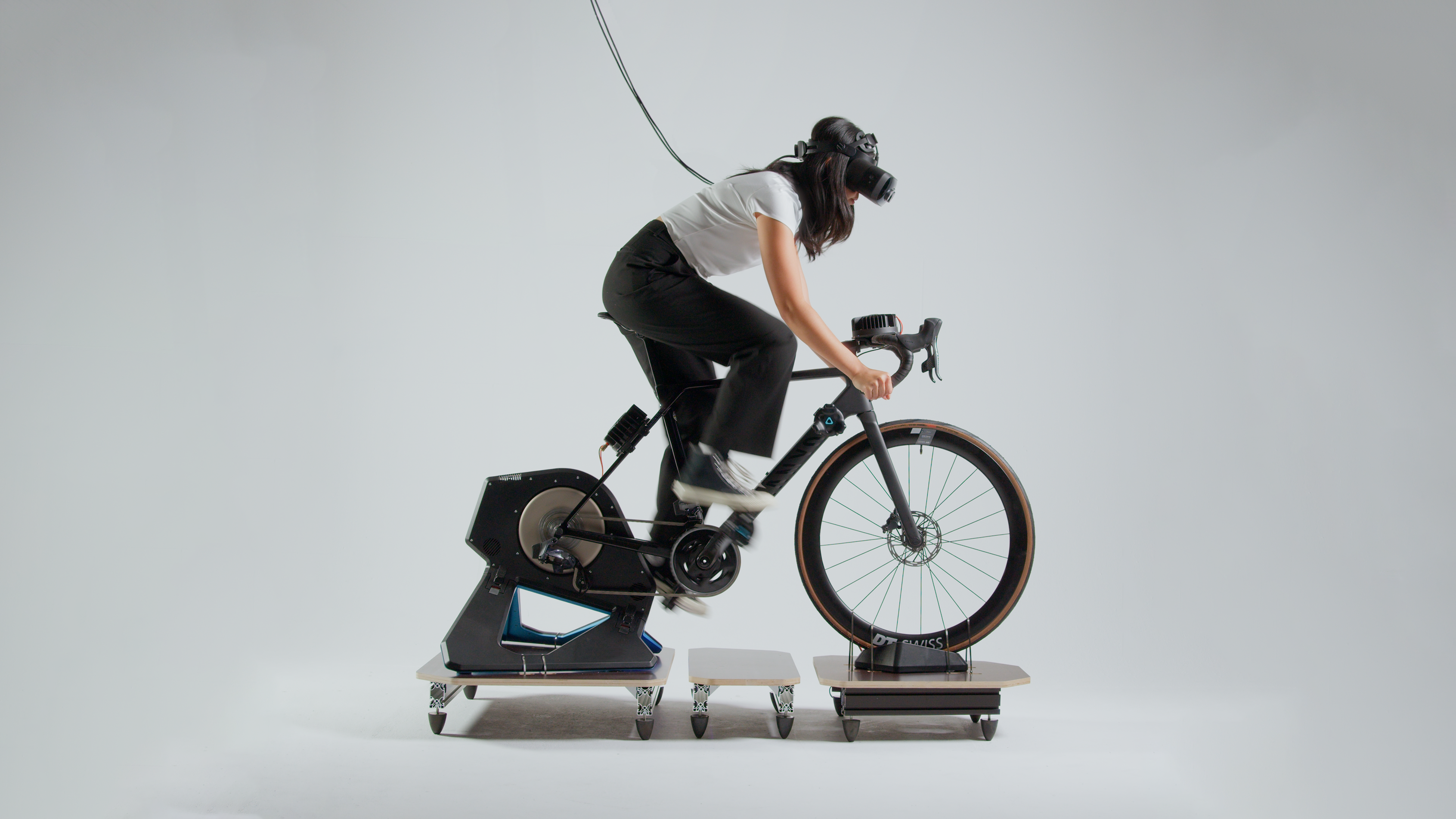
- VRide – Virtual reality headsets and smart trainers that can replicate the riding experience and comfort characteristics of different bicycles
- Trace – NFTs to track a customer’s bike from the moment an order is placed online throughout the entire life history of the bike
- Community – Peer-to-peer regional networks that can support community test rides and provide help in purchase decisions
- Service – All neatly wrapped up in a service app.
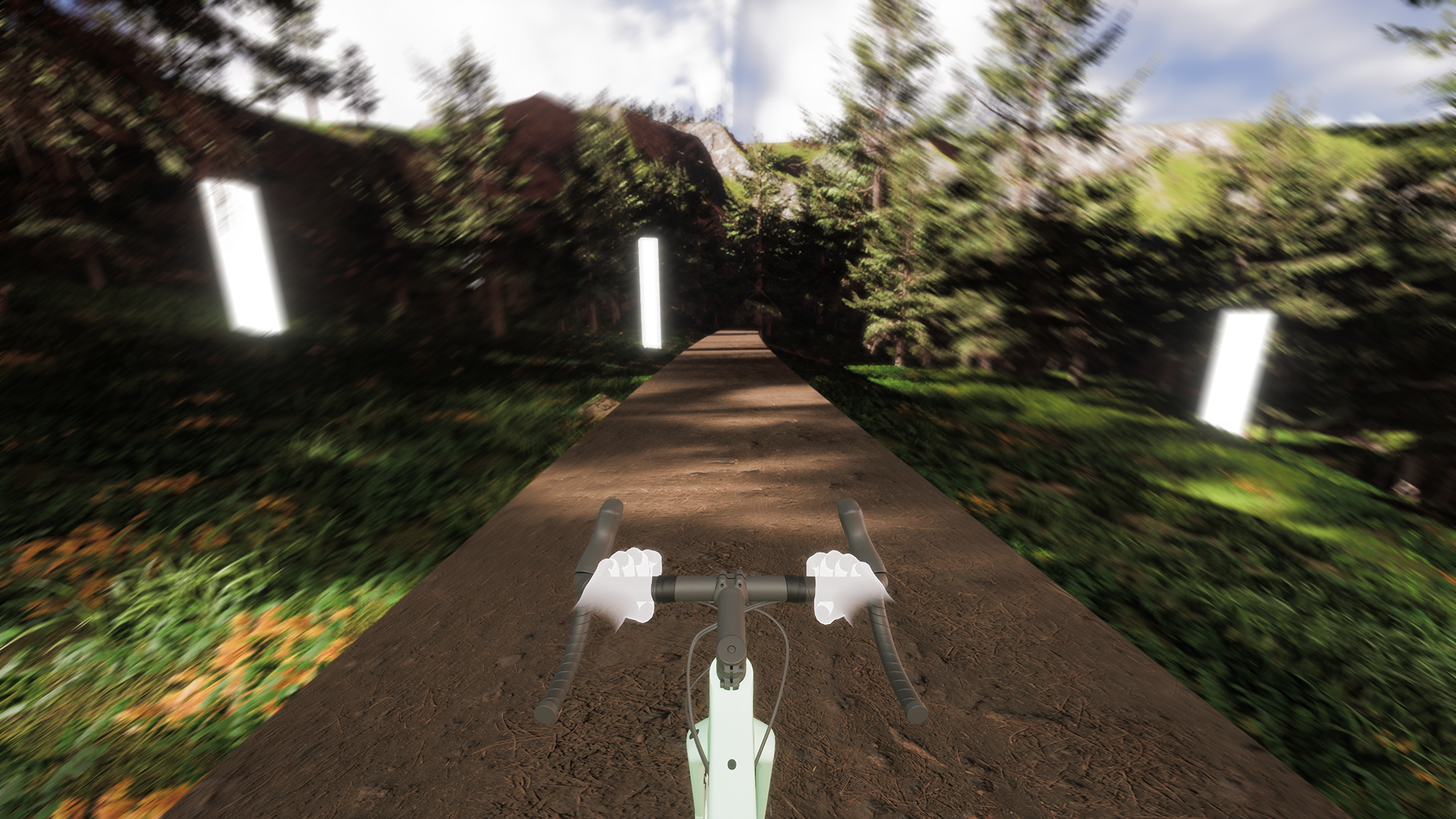
VRide
The project lead at the University, Prof. Philipp Thesen, explains the overall approach of the project: “Product and experience innovations often fail if they are not accepted by their potential users. Especially in the case of digital and technical products, they need to be intuitive and easy to use relative to other options.
“As technological innovations progress, society demands so much more from online experiences. That’s why it’s crucial to continue to invest in new ways of exploring the possibilities of design to capture and analyse information about human behaviour, capabilities and limits.”
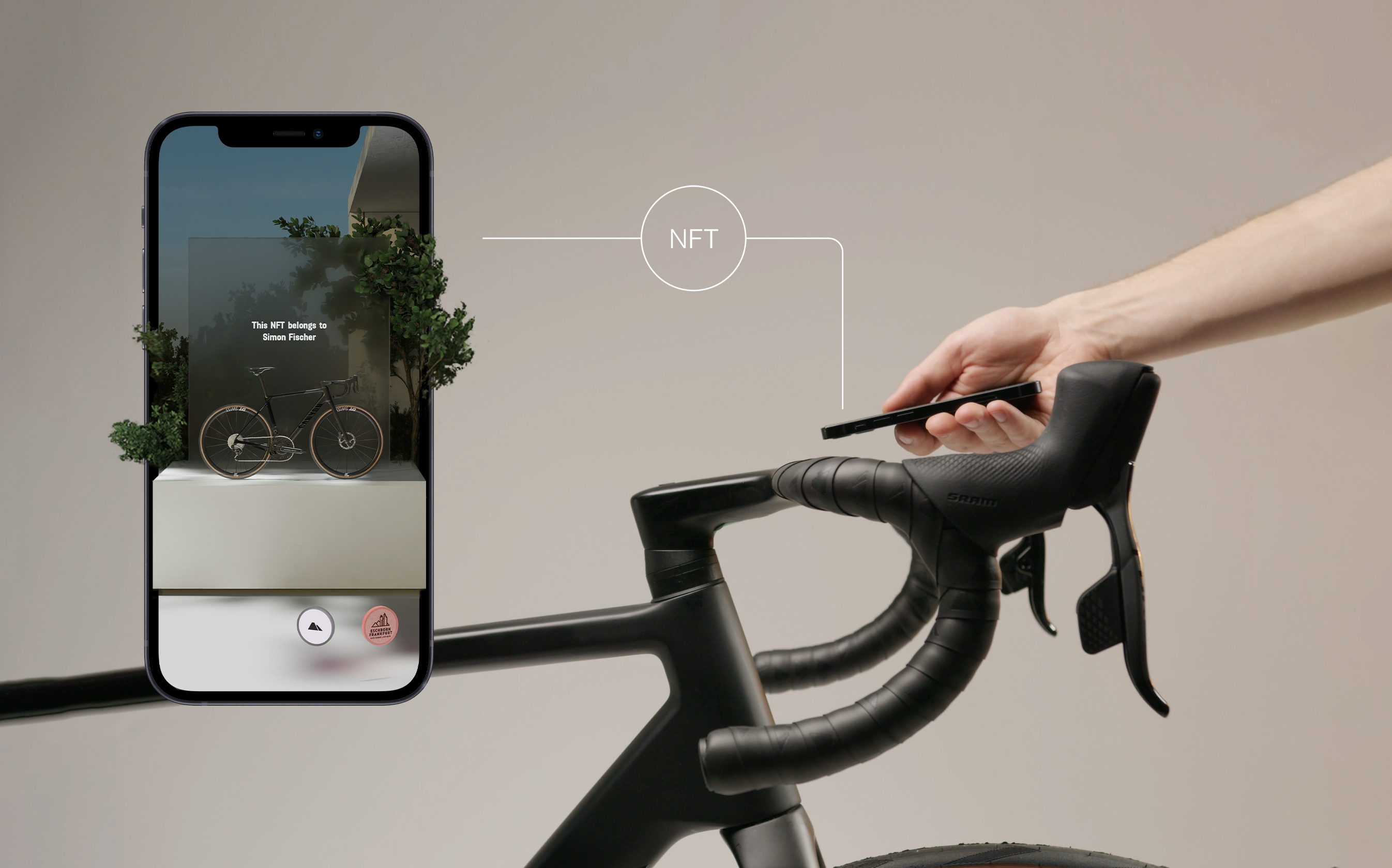
Trace
For Canyon, this exercise was an opportunity to see a complete view of the service customers may expect in the near-future.
These new innovative solutions to retail could potentially reduce online purchase barriers and inspire greater numbers of people to start cycling.
As these prototypes have just been presented, customers won’t see the innovations rolling out on Canyon.com in the immediate term – these concepts are developed independently and owned by the students – but they do hint towards an exciting future.
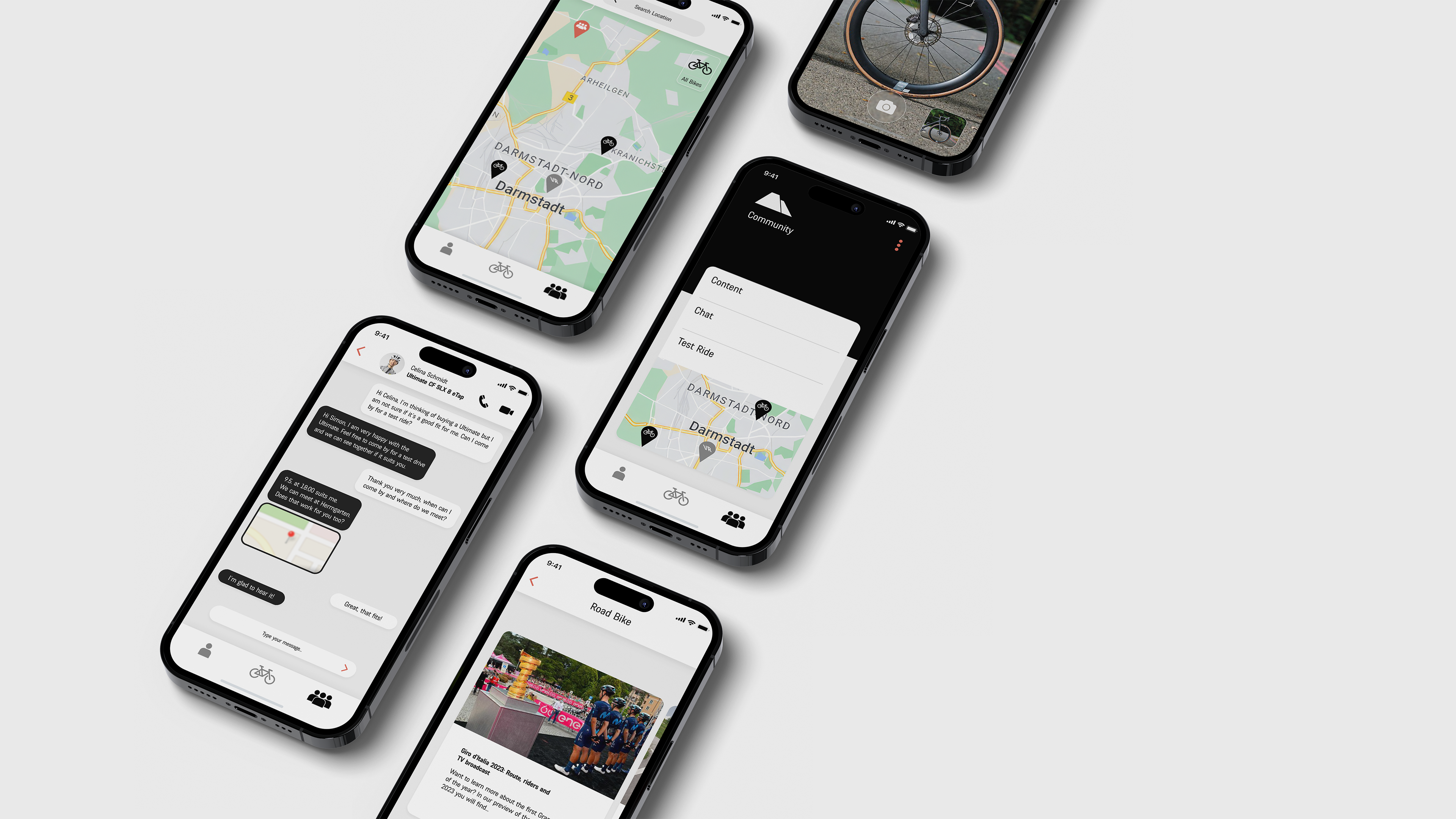
Community
Canyon will study whether these initiatives have long-term commercial potential, or indeed, like several students beforehand, whether there is the potential for the students to join Canyon’s R&D team in the future.
Canyon’s Lars Wagner said: “The online world has changed enormously in recent years with services, technologies and experiences being created that few could have imagined. This will have an impact on our business, and for sure this will also have an impact on the jobs and functions we need at Canyon, as the project with Darmstadt University has demonstrated.”