
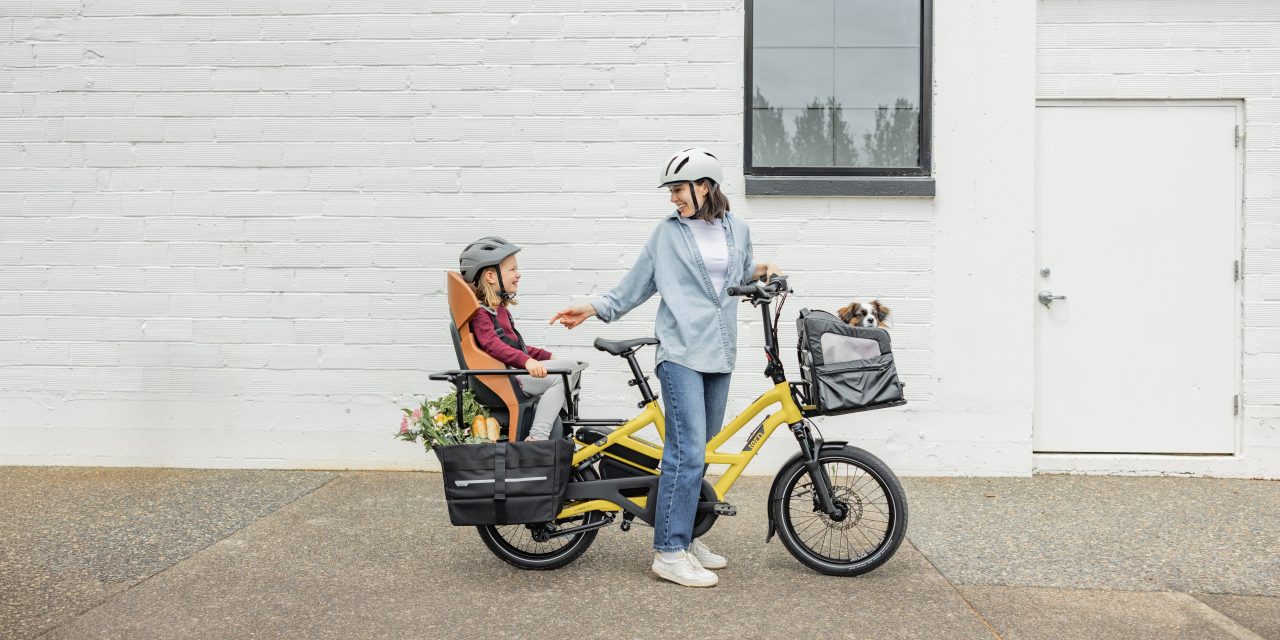
We chat with Tern about their new HSD, launched earlier this year, arriving with dealers this September.
Tern has officially unveiled the next generation of the HSD. What is the core concept behind this updated model, and what changes set this generation apart from its predecessor?
The core concept of the HSD has always been the same: deliver the utility of an electric cargo bike in a package that’s shorter than a regular bicycle, and just as easy to ride. With the ability to carry a child or adult passenger, the HSD makes sense for urban families who might be put off by the size, handling, or storage demands of a larger cargo bike.
With each generation, we take the same idea and ask how much further we can go: how do we make the bike more capable while keeping its original compact footprint?
The new HSD carries more, handles better under load, and works for a wider range of riders. We’ve also incorporated the latest drivetrain technology and Bosch Smart System features across the range. And it’s still shorter than a regular bike.
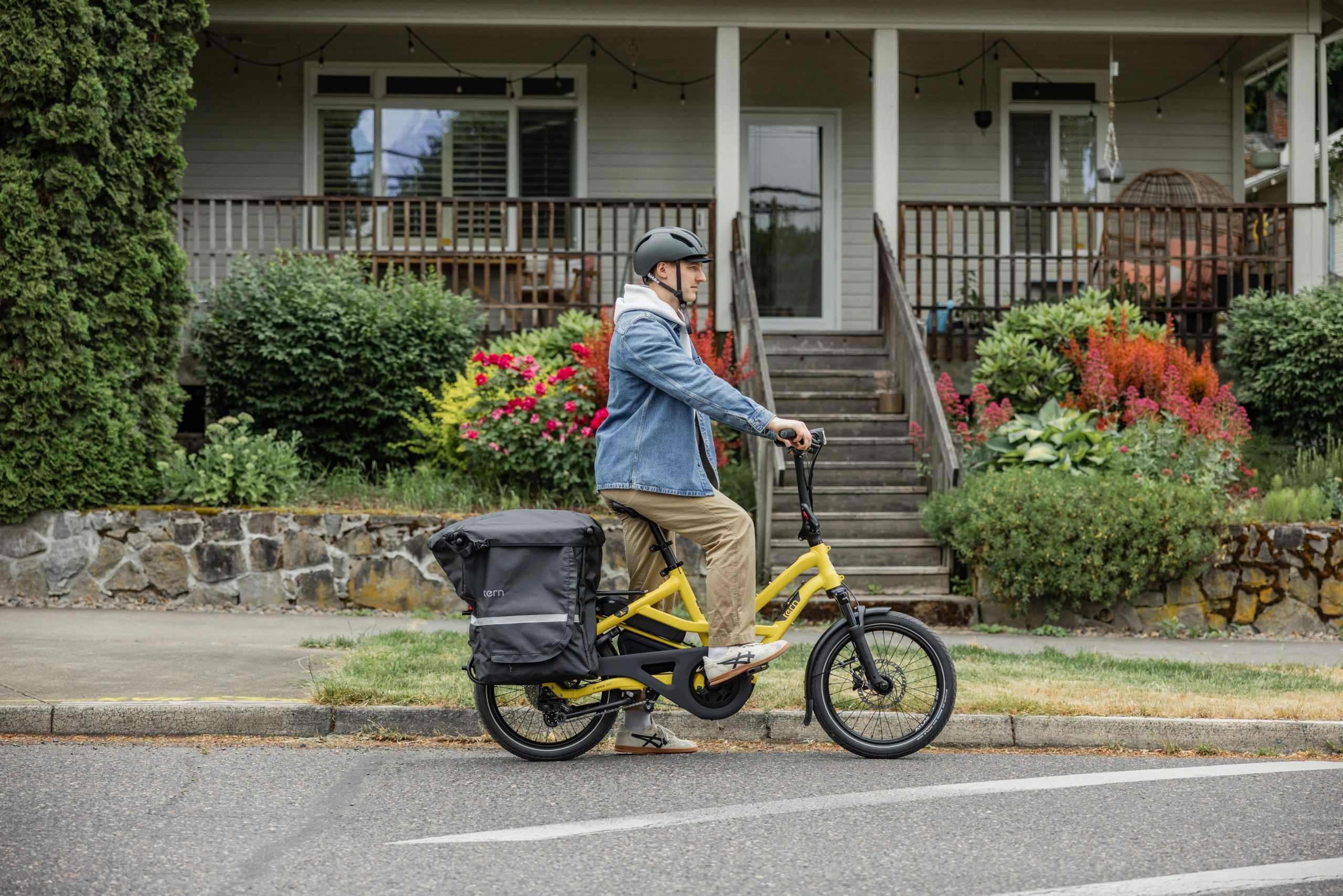
The new HSD features an increased Maximum Gross Vehicle Weight of 190kg and an 80kg-rated rear rack. What changes were required to achieve this higher load rating?
Just about everything needed to be reworked. When you increase the carrying capacity of a bike, you’re also increasing the forces going through the frame, fork, wheels, brakes, rack, and other load-bearing components. So getting the HSD to 190 kg wasn’t simply a matter of strengthening one part. We had to look at the bike as a complete system.
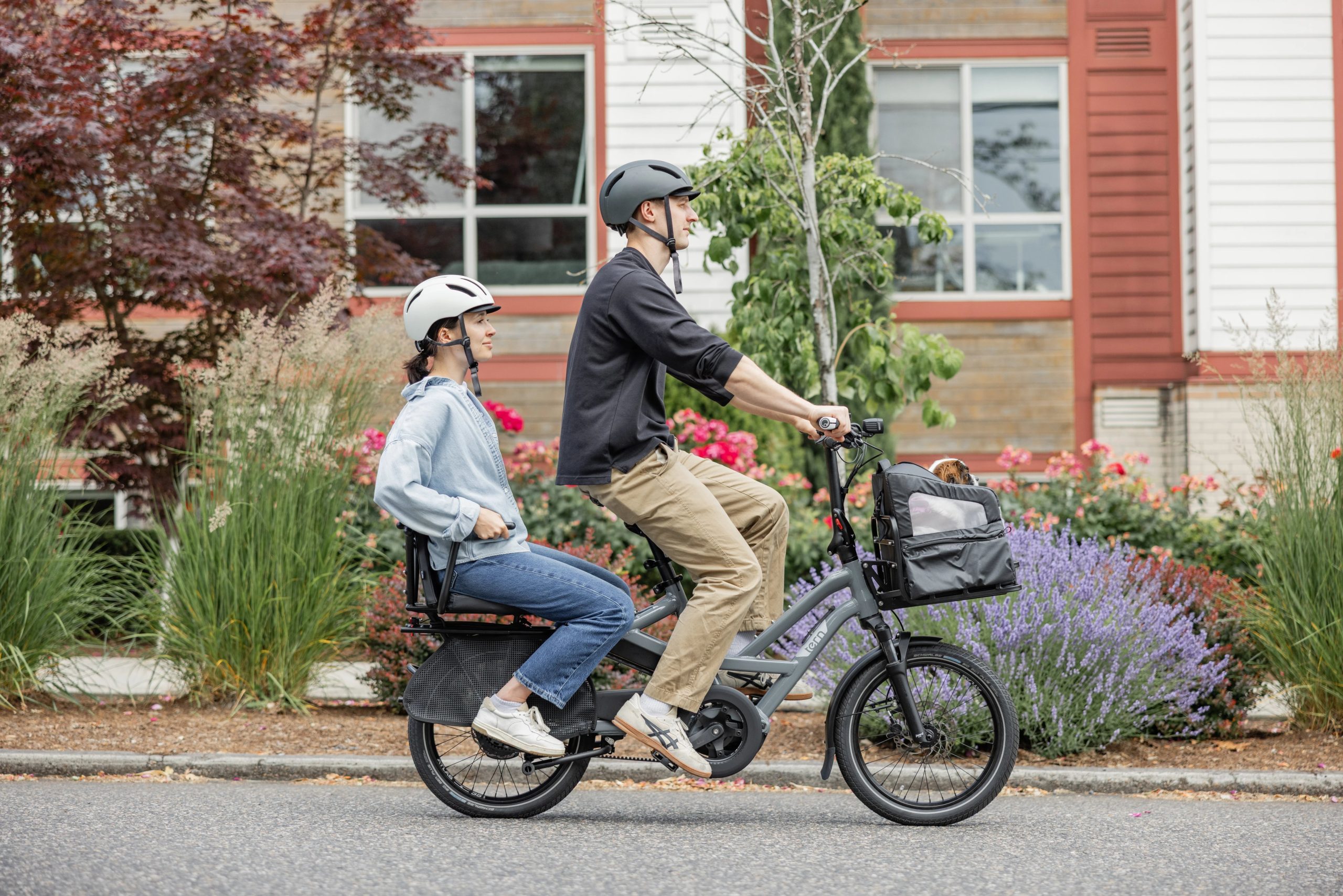
The frame was completely redesigned with increased stiffness to handle those higher loads while preserving the HSD’s compact size and familiar handling. An 80 kg rear rack also has to account for what it’s carrying. Carrying an adult passenger, for example, means the bike needs enough room for the person to sit comfortably, not just enough strength to hold their weight.
But a higher number on a spec sheet doesn’t mean much without the testing behind it. We had the HSD frame and fork independently tested to the EN 17860 cargo bike standard at its full 190 kg Maximum Gross Vehicle Weight.
The testing subjects the bike to demanding loads and repeated stress to make sure the increased capacity holds up in the real world, not just on paper. That’s important when there’s a child onboard, and the bike has to deal with things like a hard stop, a pothole, or the repeated stresses of riding on a fully loaded bike day after day.
The HSD also accommodates riders from 150 cm to 205 cm, and riders weighing up to 130 kg. What are some of the design considerations involved in accommodating such a wide range of riders?
The goal was to accommodate a much wider variety of riders, from someone petite to someone who’s XXL. But you can’t achieve that simply by making the seatpost longer or adding more adjustment. You have to consider what those different riders actually require and the forces they put through the bike.
For smaller riders, we lowered the frame stepover to make it easier to get on and off. For taller riders, we needed to make sure the geometry worked for their proportions, rather than simply raising the saddle.
Taller and bigger riders usually need much more seatpost extension, which puts substantially greater forces through the seatpost and frame. For a taller, heavier rider, a standard seatpost extended that far out starts to flex under load, like a longer lever arm carrying more weight. The VLT seatpost was built to handle that combination safely, so a bigger rider gets the same solid, confident feel as anyone else on the bike.
The original HSD helped define the “compact e-cargo” category. Looking at how urban active travel infrastructure and rider expectations have evolved over recent years, how did that affect your latest update?
Good infrastructure is one of the most important ways to get more people riding. It makes people feel safer and more confident on a bike, especially those who might otherwise be hesitant to ride. We think about bike design in much the same way: how do we help more people feel confident when they’re riding, especially when carrying a passenger or a heavy load?
It’s something we focused on with the new HSD. A longer wheelbase, lower centre of gravity, and other frame design features make the bike more stable when loaded, especially at tricky moments like that first wobble after pushing off. The Bosch drive systems are also more responsive, so getting a loaded bike moving from a stop or starting a climb feels smooth and controlled rather than hesitant.
Ultimately, we want someone who’s interested in cargo biking but isn’t quite sure it’s for them to get on an HSD and think, “Yeah, I can do this.”
Talk us through any new passenger or cargo options introduced to the accessory ecosystem for this edition?
We updated several of our most popular passenger accessories, made our weather protection more modular, and added a new lockable cargo box. A lot of these changes are about making the small things you do every day with the bike a little easier.
The Clubhouse Mini now has an opening side rail, so it’s easier for a parent to load a younger child, while older kids can open it and climb aboard themselves. The Storm Box Mini has a matching side opening, so you still have easy access when the two are used together.
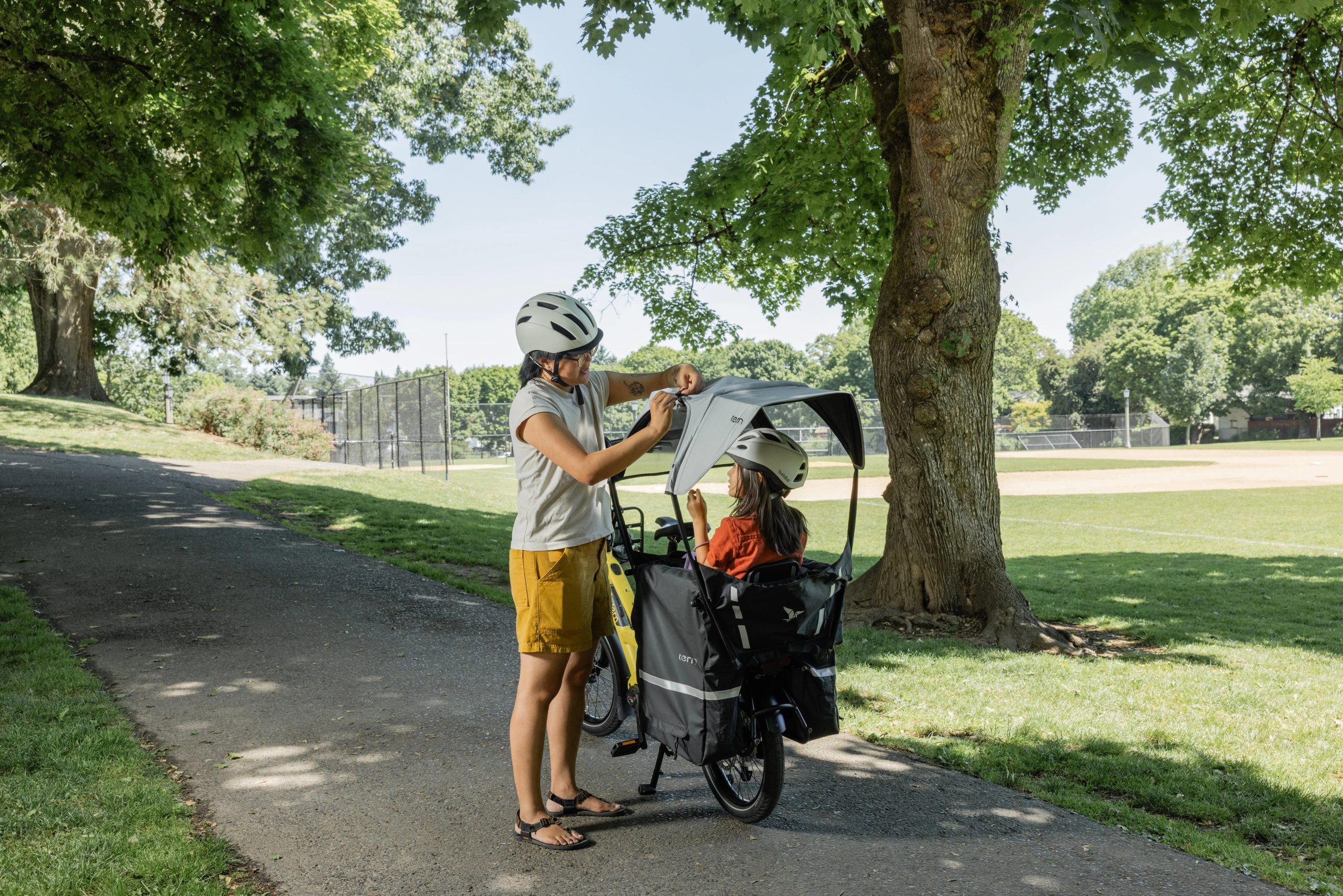
We also made the weather protection more flexible. The Sun Shield Mini provides shade, and the Rain Shield Mini can be quickly added when needed, so families can adapt the bike to the weather without having to change the whole setup.
For cargo, the new Hardshell Hauler is a lockable, waterproof storage case that mounts to a front rack. That means you can leave things securely on the bike when you stop at a shop instead of carrying everything with you.
A lot of these changes came from listening to how people actually use their HSDs. They may seem like relatively small details, but when you’re using the bike every day, it can make a real difference.

Where does Tern see your compact utility bikes making the biggest impact in getting people to swap daily car rides for a bike?
If the goal is to swap daily car rides for bike rides, then the real measure of impact is how often people actually choose the bike. A conventional bike is easy to ride and live with, but often doesn’t have enough carrying capacity to replace many car trips. A larger cargo bike can handle those trips, but its size can create other barriers, especially in dense environments.
The goal is to provide bikes that fit people’s lives, fit their needs, and make choosing the bike the natural choice whenever a trip can reasonably be made by bike.
That’s where we think compact utility bikes can make a real difference. In urban areas, people may be carrying bikes down to a basement, squeezing them into a crowded bike room, rolling them into tight spaces, or trying to find space inside an apartment. And if the bike is too big to bring inside, they may have to leave an expensive e-bike locked on the street, which brings its own worries.
So storage isn’t just about whether a bike technically fits somewhere. It’s about whether it’s convenient enough to keep close at hand and grab on a whim. The HSD can be rolled into an elevator or parked vertically, while still having the carrying capacity for a child, groceries, or other everyday needs.
We don’t expect a bike to replace every car trip. The goal is to make the trips that can be done by bike easy enough that choosing the bike becomes the natural choice. When that happens, people start replacing a lot of everyday car trips without really thinking about it.
What guided your choice of drive systems and transmissions for this range, and what do these technologies bring to the riding experience?
Drivetrain technology is evolving quickly, giving us more options to match different riders and different types of riding. Some riders want the low-maintenance, clean operation of a belt drive and internal gear hub, while others prefer the familiar feel and efficiency of a derailleur and chain. That’s why we offer a choice across the HSD range.
What’s particularly exciting is how technologies like electronic shifting, automatic shifting, and automatic downshifting can make the riding experience easier and more intuitive. Bosch eShift, for example, integrates electronic shifting with the Bosch drive system. This gives you more consistent shifting, reduces wear on the drivetrain, and eliminates shift cables that can stretch or require adjustment.
Automatic shifting takes that a step further. On the HSD P10e, the TRP E.A.S.I. system can shift automatically based on the rider’s pedalling cadence. It’s a bit like the difference between a manual and automatic transmission in a car. The rider can still control the bike, but no longer has to think about every gear change.
The HSD S9i pairs Bosch eShift with the 3X3 NINE internal gear hub, with a wide 554% gear range and larger steps between gears, so you don’t need to shift as frequently. Auto downshift automatically selects a suitable starting gear when you stop, making it easier to get a loaded bike moving smoothly from a standstill.
Cargo bikes can present unique challenges for bike shop mechanics. Did your engineering team factor in shop-floor assembly, component access, and routine serviceability during the design phase?
Absolutely. We use our own products, and we get a lot of feedback from dealers who assemble and service them every day. We know every extra minute a mechanic spends prepping or servicing a bike costs the dealer money, so we’re always looking for ways to make their work easier. We still have areas where we can improve, but serviceability is something we consider throughout the design process for all our bikes.
Sometimes the fix is simple but meaningful. On earlier HSD bikes, replacing a rear light could mean tracing the wiring back and disconnecting it at the motor. We’ve reworked the wiring so there’s now a connector close to the light, making replacement much quicker. Those kinds of details aren’t particularly exciting on a spec sheet, but they can make a big difference to a mechanic working on the bike.
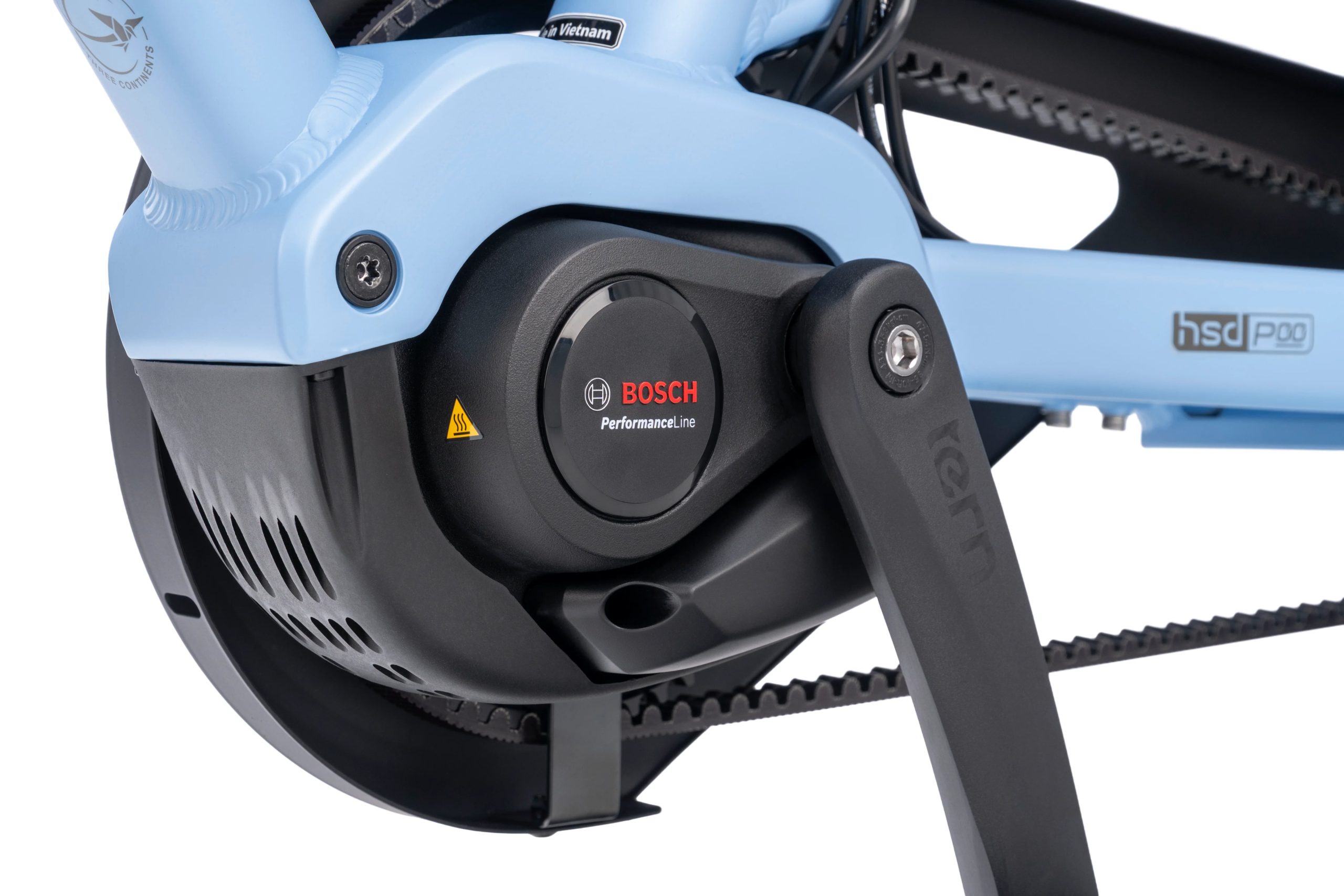
Designing for serviceability also means thinking carefully about the components we use. Wherever possible, we use off-the-shelf components from established suppliers like Bosch, Shimano, Rohloff, TRP, Gates, and Schwalbe, so dealers have ready access to parts and technical support. We only develop our own components when an existing solution can’t meet our requirements, such as the VLT seatpost.
We keep dealers in mind beyond the design of the bike as well. Both our 7-Year Support Program and Warranty Transfer Program run through the dealer, because we want customers to maintain a relationship with their local shop throughout the life of the bike.
With the new HSD arriving in bike shops from late summer 2026, what does the supply and onboarding route look like for UK dealers through One Generation Ahead (OGA), and is there demo fleet support available to help retailers introduce the new lineup?
We expect the new HSD to arrive in the UK in September, and the response from dealers so far has been very positive.
As with all Tern electric models, we strongly encourage dealers to have a demo bike available so customers can experience the bike for themselves. In the UK, we support this by allowing each store one demo bike per category, including the HSD, GSD, Quick Haul Long, and Orox, with a dealer discount and extended payment terms on demo bikes.
For a bike like the HSD, we think the demo opportunity is particularly important. A lot of what makes the HSD different, especially its compact size, handling, and stability, is much easier to understand once someone gets on the bike and rides it.
