
This piece first appeared in the July edition of BikeBiz magazine – not subscribed? Get a free subscription.
by Trevor Worsey
Trevor Worsey from aeroe explores the versatility of eMTBs and what this could mean for bike shops where accessory upsells are concerned, opening customers’ eyes to the possibilities of turning their MTBs and eMTBS into multi-use machines.
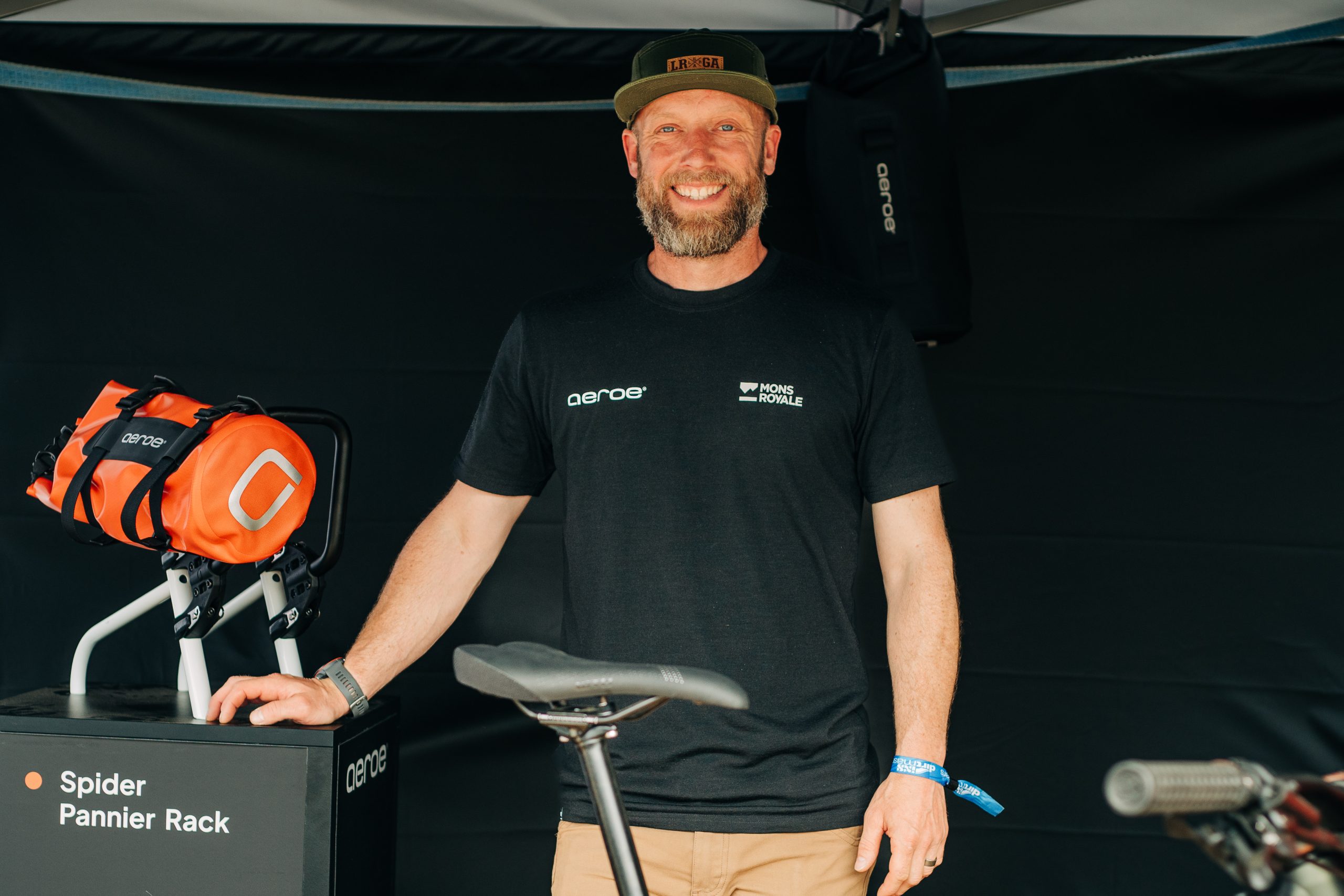
Trevor
“Would you like fries with that?” The most profitable question in fast food. Estimates suggest that up to 40% of McDonald’s profit is traceable to that one upsell, a masterclass in how a single question can reshape revenue. Now, imagine asking, “Have you thought of using your eMTB for more than just weekend trail centres?”. In an industry squeezed by shrinking margins and shifting buying habits, the right question at the right moment doesn’t just increase sale value, it reframes the entire purchase.
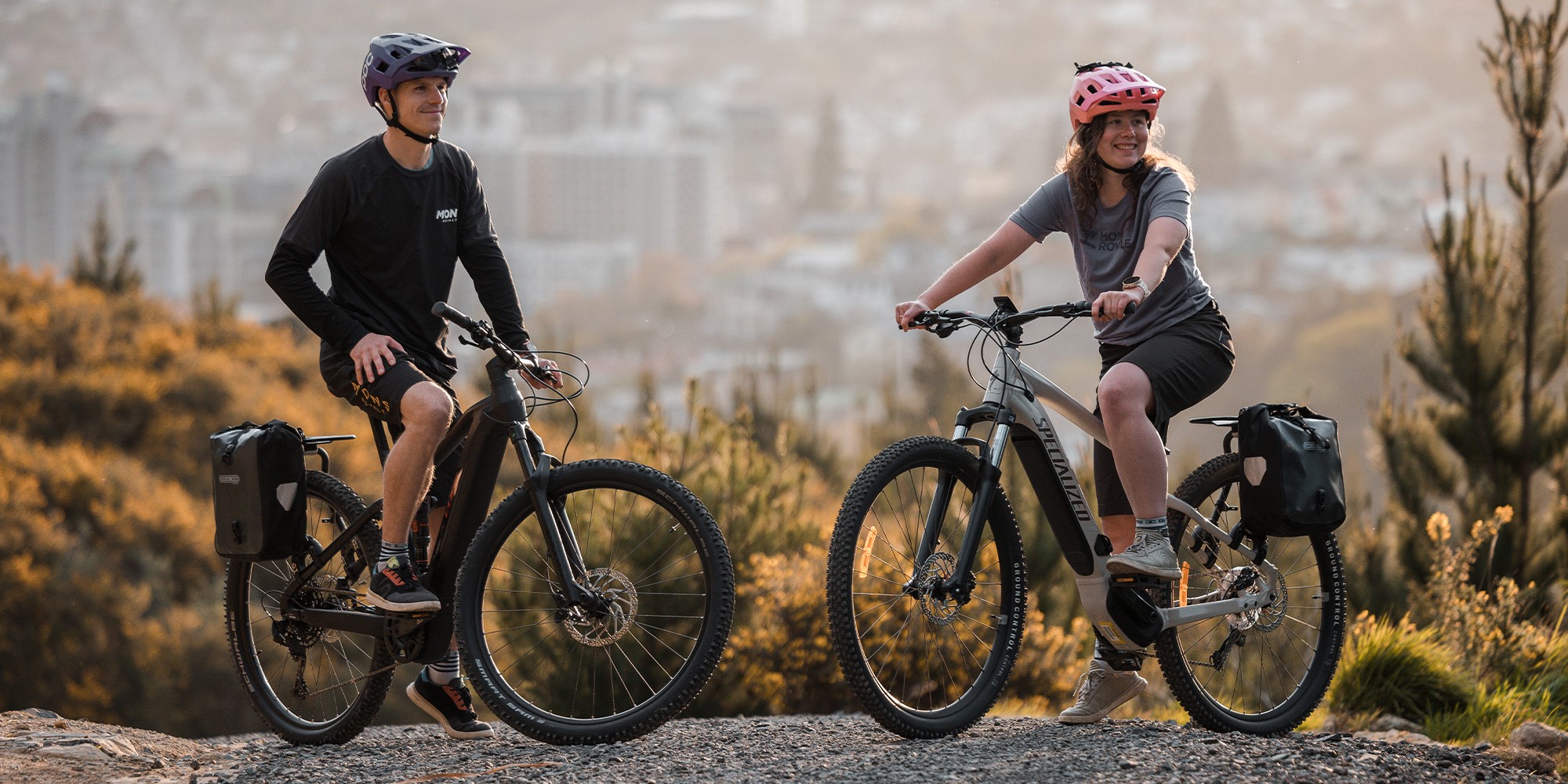
Today’s riders aren’t just buying bikes, they’re investing in versatility. With the power of a battery, the modern eMTB has become the ultimate quiver killer: one bike that can do it all. Trail days, commutes, errands, even light touring, these machines are capable of far more than they’re marketed towards. And that versatility is unlocked not with a hard sell, but with a smart ask. Today’s customers are investing heavily in high-end eMTBs. These are toys, but they can also serve as tools. But often, they’re sold like one-dimensional machines, meant for the trail and nothing more. Asking a simple question can completely shift the narrative.
While the bike industry navigates headwinds, amid this turbulence lies a clear opportunity, one that smart retailers are already seizing: increasing focus on high-value, low-complexity upsells that extend the utility of a customer’s bike purchase. In plain terms? Accessories are no longer an afterthought. They’re the battleground for profit. But the real unlock isn’t just about selling more accessories, it’s about bridging a knowledge gap at the point of sale.
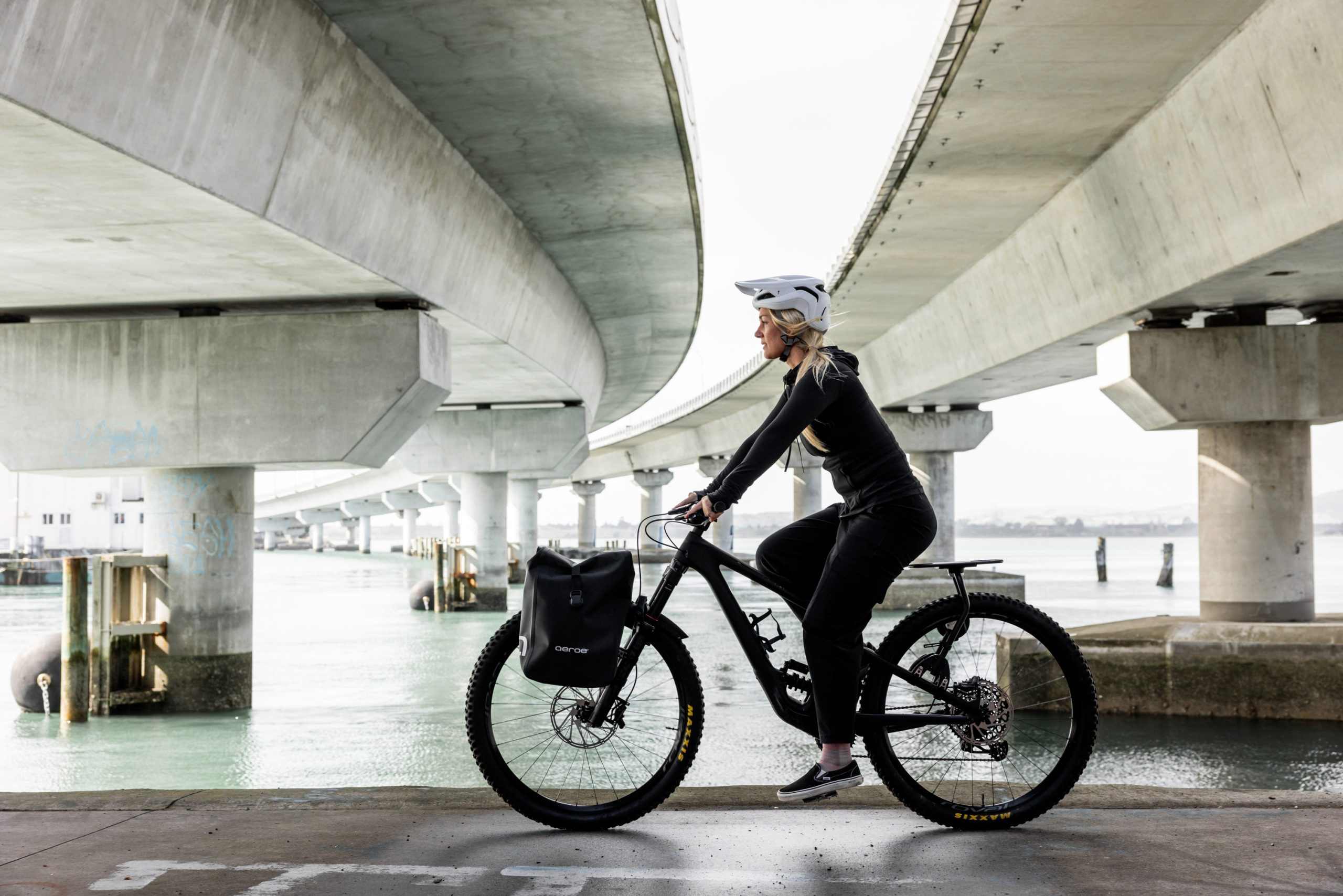
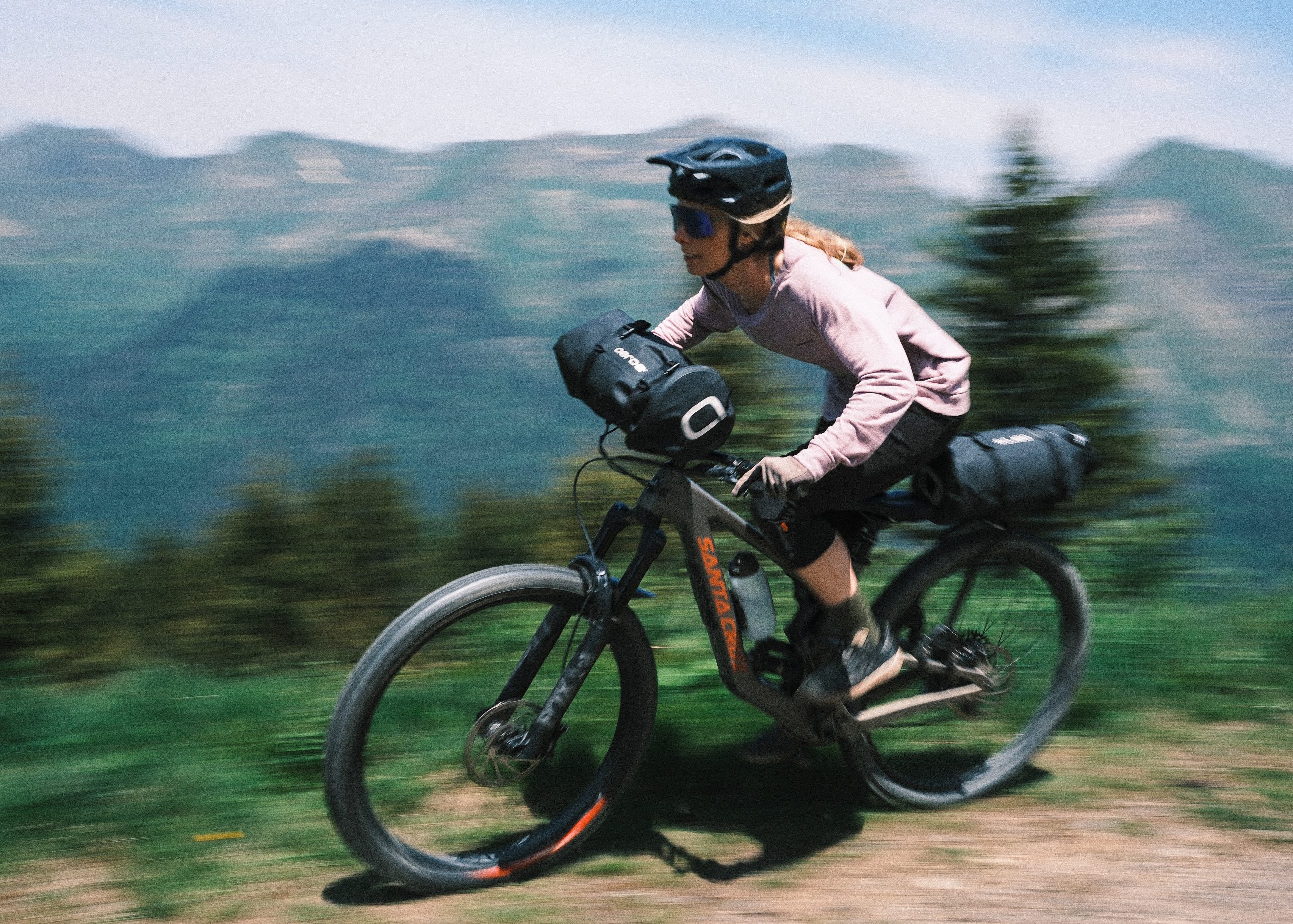
Asking the question “Have you thought of using your eMTB for more than just weekend trail centres?” opens the door to a conversation about turning a weekend trail weapon into a sunny weekday commuter, an overnight adventure rig, or a long-haul touring setup. And crucially, it leads directly into versatile, system-based upsells that make the customer’s bike and their relationship with the store more valuable over time.
At aeroe, we’ve built our brand around making this shift possible. Our racks and cradles allow riders to transform their eMTBs and MTBs into multi-use machines with minimal setup, universal compatibility, and no compromise to performance. It’s not about selling ‘a rack,’ it’s about offering a platform that evolves with the rider’s needs. While the average eMTB rider may not be looking to eat roadkill and sleep under a tarp in a ditch, they are still adventurous, looking for ways to carry touring gear between Scottish Airbnb’s, or for battery-sapping missions into the mountains. Maybe they like the appeal of a pannier rack for sunny-day office commutes, connecting quaint Peak District B&Bs, or for carrying picnics while riding around Rutland Water. These are rides we all do, yet few brands are talking to this customer, and the knowledge gap remains that many retailers do not intuitively connect an eMTB with such adventures.
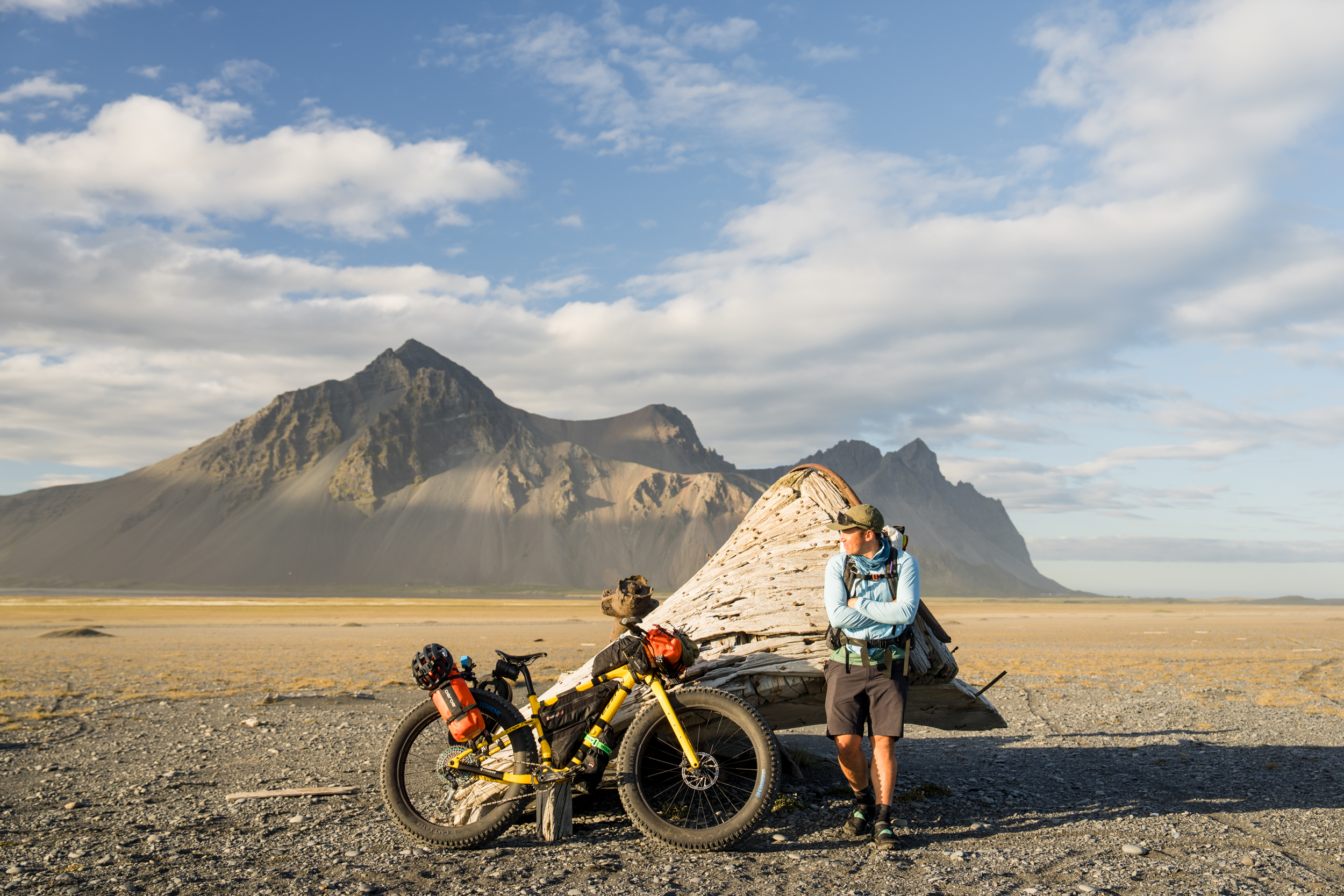
Trip documenting a fatbike and pack rafting trip along the south coast of Iceland. Chris Burkard, Steve Fassbender. Photographer: Ryan Hill
During a recent dealer visit to one of the UK’s flagship bike stores, we were struck by a striking contradiction. The retailer’s floor was almost entirely focused on eMTBs, with the staff enthusing about how they were dominating sales and customer interest. But when we looked at their accessory wall? It was stacked with racks and bags designed for gravel bikes and traditional tourers. Nothing reflected the actual customer they were selling to.
aeroe’s In-Store Strategy:
We don’t claim to be experts in merchandising, but we love to listen and try to find solutions. Experience has taught us that the best upsell comes from confidence, and we find a brief internal session on ‘How to turn any eMTB into a touring or commuting setup’ always helps empower retail staff to upsell without resorting to a dreaded hard sell. We focus our in-store strategy on four key points:
• Great sales start with curiosity. Asking a few simple questions often unlocks new value. Does the customer commute? Go away for weekends? Want to carry gear for kids, camping, work or touring kit? This reframes their eMTB purchase as a tool, not just a toy.
• Make the upsell visible. Putting racks and bags on demo eMTBs on the shop floor transforms a bike into an ‘adventure enabler’, a silent salesperson catching attention, promoting questions and helping customers imagine their own adventures.
• Focus on systems, not one-offs. Show the range and versatility to give the customers a reason to come back as their needs grow.
• Merchandise the store for versatility, not tradition. Accessory walls should reflect today’s riders and the bikes that are selling well through the store.
This isn’t unusual. Many retailers are still operating with an outdated model, stocking accessories based on what used to sell, not what riders actually need today. And worse, these accessories often require intensive staff training, tricky installations, and compatibility headaches that slow down sales and eat into profit.
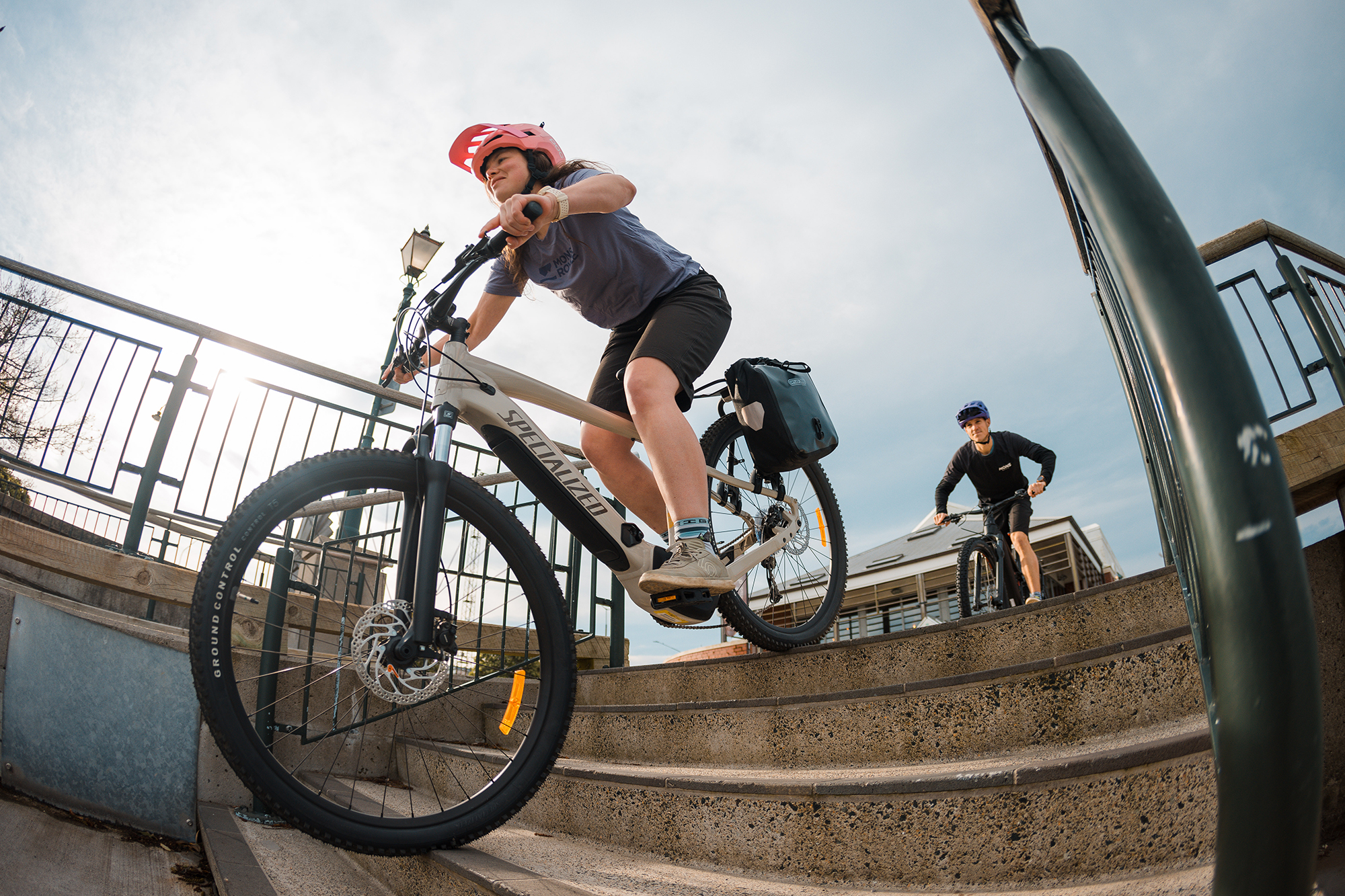
The fix is simple: streamlined, versatile systems that work across all bike types, require less inventory, and enable more natural upsells. Because once a rider buys into a system (like aeroe’s), they’re not just making a one-time purchase, they’re buying future potential. Cradle by cradle, bag by bag, their setup grows with them. It’s incremental revenue, built on trust and utility.
This is a call to arms, and one that works for many brands that aim to add value. For retailers, this is the path forward. It’s no longer enough to just sell bikes; you have to sell what’s possible with those bikes. Sell solutions, because in the modern bike economy, it’s not the biggest retailers that win. It’s the smartest.
