Finnish bicycle tyre manufacturer DMACK Nordic plans to become the first company in the bicycle tyre industry to introduce RFID tags into its tyres.
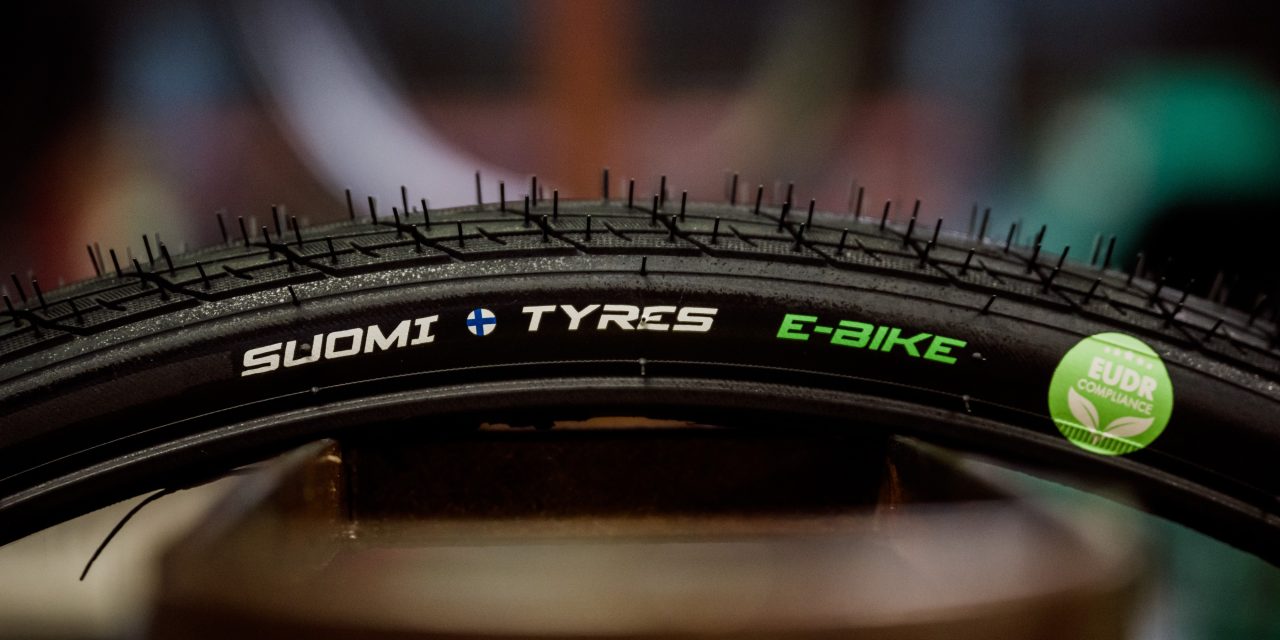
While the bicycle tyre industry prepares for new EU deforestation requirements, the Finnish manufacturer says it is already compliant with the requirements of the European Union Deforestation Regulation (EUDR) and now plans to introduce RFID-enabled product traceability in 2027.
It is also developing a fixed-cost tyre and tube package for cargo bike delivery fleets, bringing ‘planned tyre replacement and predictable costs to an expanding form of urban delivery.’
Dick Cormack, CEO of DMACK Nordic, said:
“While many companies are still preparing for EUDR, DMACK is ready. We are now going beyond compliance by introducing RFID technology that connects the individual finished tyre with information about the origin of its natural rubber.”
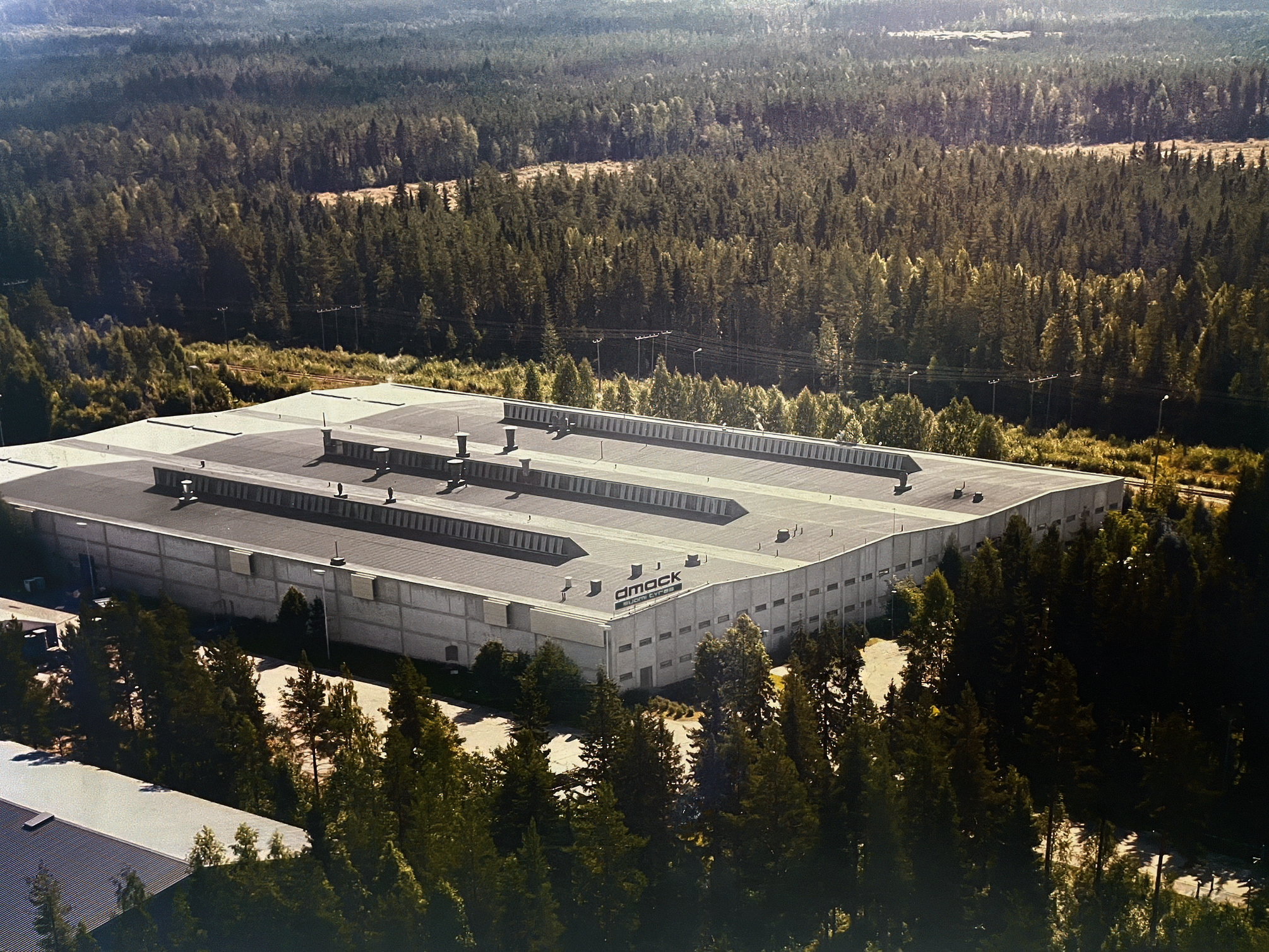
The first RFID-equipped Suomi Tyres are expected to enter production at DMACK’s factory in Lieksa, Finland, during 2027. The technology will be introduced in stages, with the intention of eventually integrating RFID tags across the company’s entire bicycle tyre range.
Each tag will give an individual tyre its own unique digital identity. When connected to DMACK’s traceability system, it will enable the tyre to be linked with supply-chain information, including the origin of the natural rubber used in its production.
“RFID technology is already transforming traceability in the truck tyre industry, but as far as we are aware, it has not yet been introduced into bicycle tyre production. Our ambition is to be the first bicycle tyre manufacturer to take this step”, Cormack explains.
New EUDR requirements for the tyre industry
The EUDR requirements will start to apply to companies from 30 December 2026.
“We have not waited for the regulation to take effect before acting. Our customers can buy and sell Suomi Tyres knowing that the natural rubber used in our products can be traced back to its origin,” Cormack states.
The European Union Deforestation Regulation aims to keep products linked to deforestation or forest degradation off the EU market. It covers natural rubber and certain products made from it, including new tyres, whether manufactured inside or outside the EU.

Before importing covered products into the EU market or exporting them, companies must document where the natural rubber was sourced via a geolocation GPS DD system, and assess and mitigate the risk of non-compliance.
All DMACK tyres produced in 2027 will display a EUDR-compliant logo vulcanised on the sidewall of each tyre for public display.

For European importers, distributors and retailers, the ability to provide verifiable supply chain information is expected to become an increasingly important factor when selecting tyre suppliers.
Dick Cormack, CEO of DMACK Nordic, added:
“Retailers and distributors need to know that the products they place on the market meet the relevant requirements and that the necessary information is available.
Although all applicable products placed on the EU market will have to meet the EUDR requirements, manufacturers and suppliers are at different stages of preparation. By linking EUDR compliance with RFID technology, we can provide both regulatory certainty and product-level transparency. We believe that combination will become an important differentiator in the bicycle tyre market.”