From tighter scooter parking zones in Hannover to visitor cycling trends in Seville, new research from the Sustainable Urban Transitions (SUT) Lab, a research partnership between ETH Zürich and the Bolt Urban Fund, today shows how micromobility is changing European cities.
The SUT Lab is a Europe-wide programme designed to support the practical implementation of Sustainable Urban Mobility Plans (SUMPs) in European cities, and is currently being piloted in Seville and Hannover. Today’s findings mark the initial phase of the project and reveal opportunities to improve first-and last-mile access, boost safety, and ensure gender-equal mobility.
The next phase of the project will see the Lab complete simulation models of each City to test how to best connect new public transport infrastructure and mobility hubs. In Seville, this modelling will include first-time analysis of Bolt’s ride-hailing data to explore and understand patterns of car usage across the City.
Prof Dr Eva Heinen of ETH Zurich said: “The collaboration between Bolt and ETH provides us with an excellent combination of access to high-quality data and high-quality research. This allows us to push the boundaries and to engage in cutting-edge projects, trying to tackle the complexities in the current urban mobility system.”
In its first six months, the Lab has drawn on millions of e-scooter and e-bike trips to offer a clear picture of how policy, demographics, and street design interact – and how simple changes can deliver safer, fairer, and cleaner mobility.
Key findings include:
- Smart policy works: Hannover’s new city-centre parking restrictions were highly effective, cutting ultra-short trips (under 1 km) and encouraging more purposeful scooter rides.
- Gender matters: In Hannover, women travel earlier, connect more with public transport, and encounter different areas of safety risk, critical insight for targeted infrastructure design.
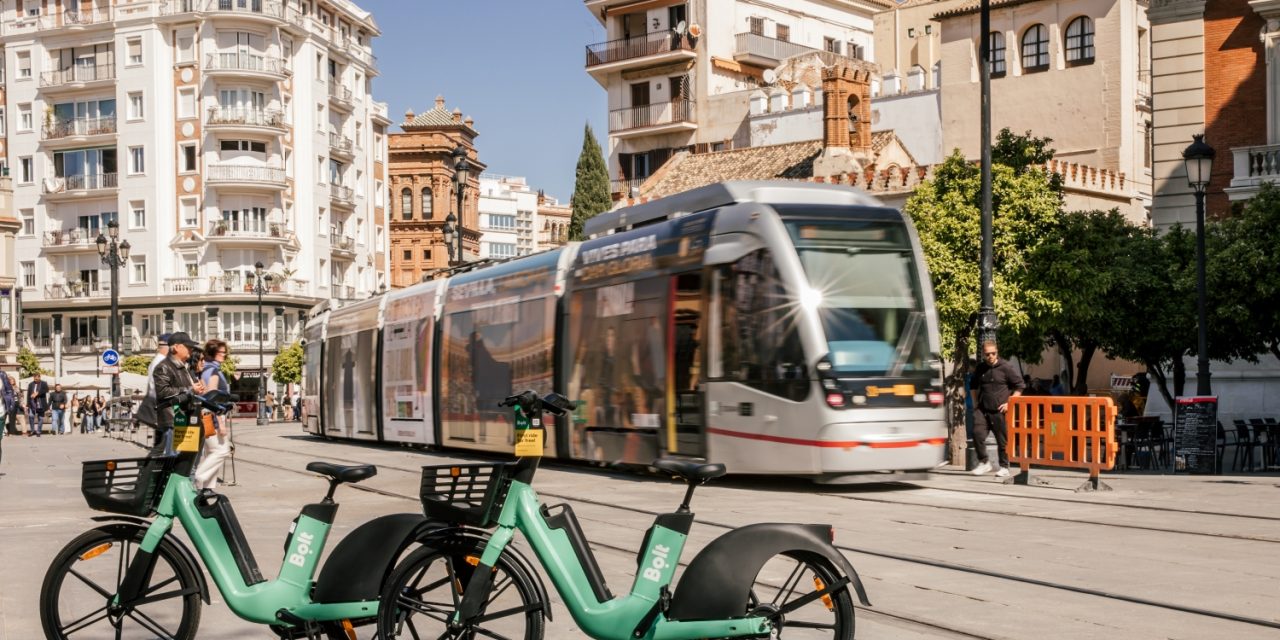
- Visitors and locals ride differently: Visitors take 54% of Seville’s e-bike trips and follow distinct, slower routes through historic and riverside areas that differ from local riders, showing the need to balance leisure-focused routes with everyday mobility needs.
“These findings turn our data into a story about people – how they move around cities, on what kind of transport they feel safe, and which policies actually change travel behaviour,” said Jevgeni Kabanov, President at Bolt. “Planning teams now have a greater evidence base to see which interventions create cities for people”.
The Sustainable Urban Transitions (SUT) Lab is a partnership between ETH Zurich and the Bolt Urban Fund, a social investment programme set up by Bolt to accelerate the societal benefits of shared mobility worldwide.
Prof Dr Bryan Adey of ETH Zurich said: “The collaboration between Bolt, ETH and cities is creating a wonderful win-win situation. Bolt can ensure its data is used for great purposes, ETH can conduct cutting-edge research, and cities can gain insight into the effectiveness of their policies and infrastructure modifications and the potential effectiveness of further plans.”