
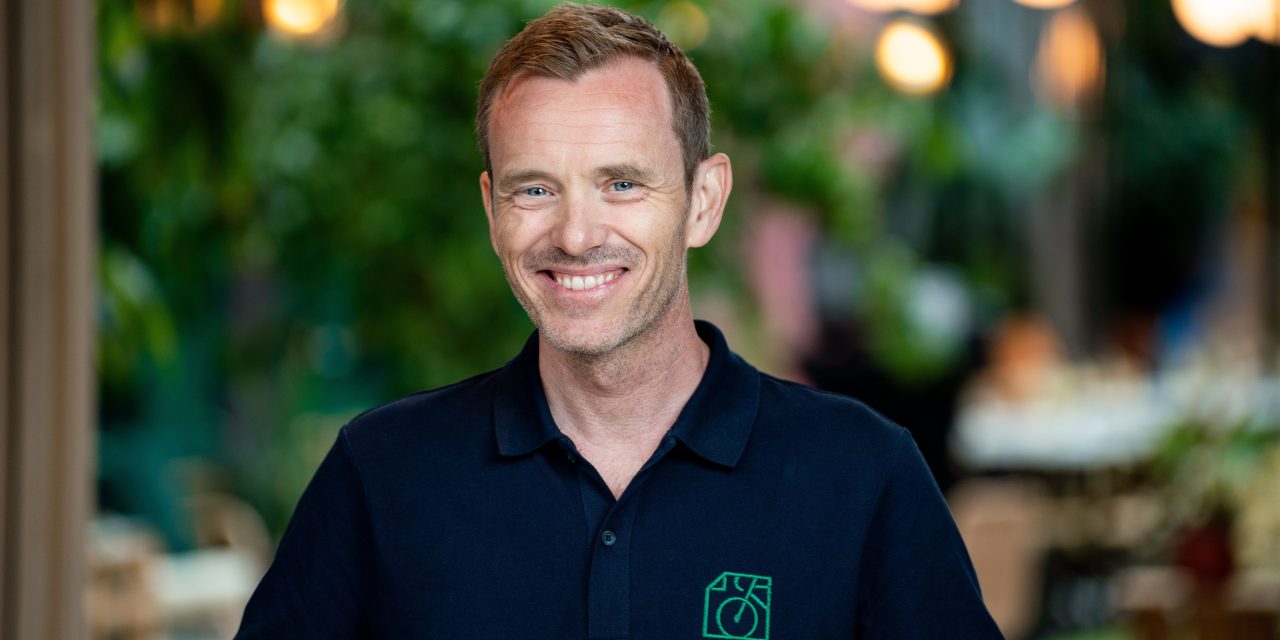
We sit down with Sondre Norland, CEO of the Norwegian technology company BikeFolder. Sondre and co-founder Ken Meland are industry veterans. Sondre grew up next to a bike factory, raced at World Cup level, and both Sondre and Ken have over 30 years of experience in the cycling industry before transitioning to the technology sector.
Founded five years ago, BikeFolder was launched to try to solve problems for bike shops. The company says it’s focused on creating a necessary infrastructure layer for the aftermarket. We sit down with Sondre to discuss how the platform is helping retailers move away from the “sell and forget” mindset, leveraging AI tools like OTTO and the Intelligent Booking Assistant (IBA) to increase workshop efficiency, reduce seasonality, and create lasting customer loyalty.
To start, could you give the BikeBiz readers an overview of who is behind BikeFolder?
Sure. So BikeFolder is a Norwegian company, and we’re 12 people total. The founder is me, Sondre Norland, and my best friend, Ken Meland. We’ve both been in the cycling industry for 30+ years.
The team consists of people who have been in the industry – we really understand this business from the inside. We’re now spread across 3 continents.
Let me tell you a bit about our background because I think it’s important to understand where we’re coming from. I grew up next to a bicycle factory in Sandnes, Norway – DBS, which is now owned by Cycle Europe. Right next to the bike factory was a BMX track. So Ken and I basically grew up working in the factory and racing bikes – BMX, downhill, you name it.
I raced downhill for many years, actually at World Cup level for 7 years, and I held the Norwegian record in speed biking. Ken has extensive experience in BMX – he was actually a European Champion in a younger age group, 13 years old.
Our team has experience from sourcing and building bikes, factory work in Norway, running multiple bike shops. I’ve also been a Technical Coach for the Norwegian XC team for 4 years, ending with the Rio Olympics in 2016. I worked closely with Gunn-Rita Dahle Flesjå, a 10-time World Champion in MTB.
So yeah, we’re not some tech guys who decided to target cycling. We’re cyclists who became technologists because we saw problems that needed solving.
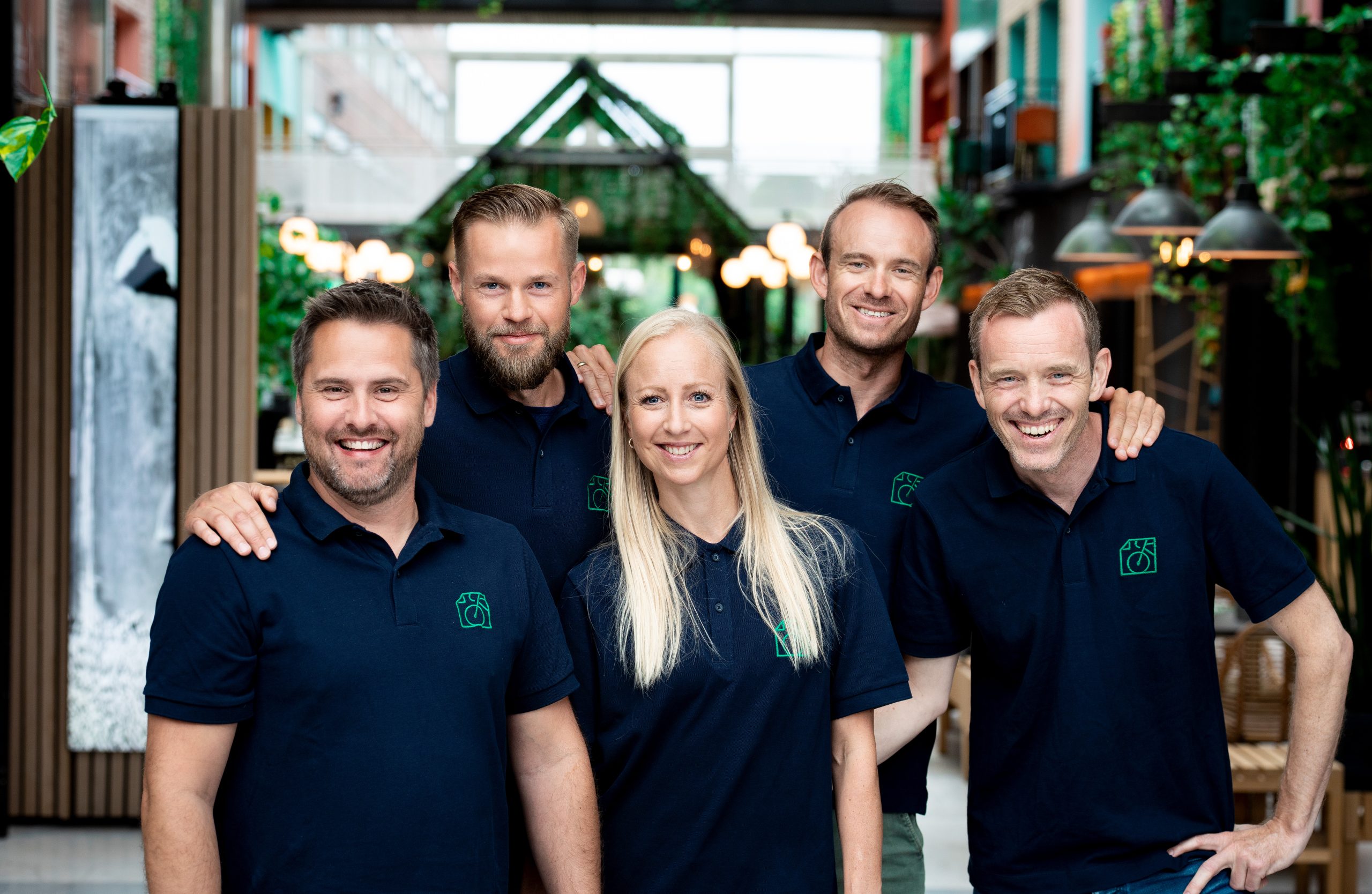
Some of the BikeFolder team.
BikeFolder is often categorised as a “digital bike passport,” but your recent moves suggest a much broader infrastructure play. Could you introduce the story behind the brand and, in your words, tell us who you are, what you offer and about the specific gaps in the traditional bike retail model that led you to build this platform?
Yeah, that’s a good observation. The bike card – the digital product passport – that’s the backbone of our software. It connects brands, dealers, and owners. Based on this data, we’re able to solve a lot of the problems the industry is having.
When we started 5 years ago, with our experience from the complete value chain in the cycling industry, we listed the 20 biggest problems. Based on these problems, we started building a system where we could reduce these problems and create better solutions for the whole value chain.
Now, about retail – this is where it gets interesting. Through all these years, the normal retailer has been a former cyclist with lots of passion who sold bikes and handled local repairs. This worked fine for many years. But then came a big shift when the world went digital, and bikes got motors.
This did two things: First, the product – the bike – became much more complex, more expensive, and had completely different requirements for maintenance and follow-up. Second, a new type of customer came through the door wanting to buy this complex product.
This created a huge gap. What the customer and the product needed in terms of follow-up and communication versus what the retailer could actually offer – that gap is massive. Most retailers are still in their “sell and forget” mindset, and they need to get away from that. The future lies in the aftermarket and creating value from their own data.
There’s no doubt that the future in bike retail will be more like the car industry – slimmer margins on new sales, bigger margins and more revenue on aftermarket. This is exactly where we focus a lot.
Our most important task in the retail segment is two things: First, streamline everything around repairs, including bookings, reminders – basically, more profit per euro sold. Second, increase revenue in the low season. As we all know, it’s almost only repairs that happen on bikes, not services.
Our solution is that repairs should happen in high season, while services should happen in low season. Obviously, with digital systems and incentives, customers actually follow through with services in the low season.
Here’s an important part of our system – where others call customers based on kilometres used, we use algorithms that monitor workshop availability. So when the system sees a bike needs service, AND there’s capacity, that’s when it triggers. This creates about 6 weeks longer season for shops.
In a recent release, you claimed that the typical bike shop only taps into about 11% of its true workshop potential. For a shop owner currently feeling maxed out, how does BikeFolder actually uncover that missing 89% without simply overwhelming the mechanics with more work?
Two things here.
First – increased efficiency. We see that dealers are often stuck in old habits and not able or willing to use the potential in new technology and a changing mindset. In a normal cycle of a bike being repaired – from booking to delivered to customer again – we see typically the total time used to ACTUALLY repair the bike is below 50%. The other time is spent on diagnostics, calling customers, finding correct parts, doing double tasks, searching YouTube for videos, finding manuals, writing emails, ordering parts, and so on.
With the technology available, this process can be improved significantly with AI features and algorithms.
Second – off-season. Looking at a complete year, there’s off-season and peak season. One of our true focuses is to reduce seasonality at dealers. And this is actually a great thing. We see that the new customer owning a 5K bike now understands the importance of servicing this bike, much more than before with the cheaper bikes and the analogue bikes. This opens a true potential to get more bikes into the workshop.
With increased efficiency and more traffic in winter, shops eventually see that workshop focus is super important and invest in more square meters and more mechanics.
Another thing I want to add is that there’s a lot of old mindset among dealers around the pricing of repairs. Here we need to move to a mindset that truly understands the value of the work the shop and mechanic does. There’s too much of an old mindset here on pricing and what work mechanics perform.
We have enormous amounts of shops that have taken the step and raised their hourly rates or switched to workshop packages where they’ve increased prices by 30-40% and actually don’t see any decrease in traffic.

Ken Meland
A core ambition of your platform is to help workshops double the number of bikes serviced per mechanic. Does this efficiency come from automating the paperwork, or is the AI actually changing the way a mechanic diagnoses and repairs a bike on the stand?
Both! We’ve gone through every step of the repair cycle of a bike. Everything from booking, what info and data we can get early on. In this process, we have AI features that reduce time spent on writing, calling customers, asking staff what was agreed, and so on.
The AI helper OTTO is also handy during the repair itself. Any mechanic knows the frustration of finding the right YouTube video, the right manual, the right part number. With OTTO, we’re building all this into one solution.
When OTTO is used, the system knows what bike the mechanic is working on. Based on this, we use 4 different data sources: OpenAI, BikeFolder model database, part makers documentation, and SUPERMECHANIC database – I’ll tell you more about this later.
This vast data resource makes the mechanic much more efficient.
We also measure how efficient a mechanic is based on how many bikes they can repair during a complete year. So in addition to becoming more efficient, we also make sure to reduce seasonality.
The IBA – Intelligent Booking Assistant – makes sure that customers are using more of their services during low season and not in peak season. This way, the total number of bikes being repaired annually per mechanic can increase significantly. We see an average increase of 30% using IBA with a dealer.
OTTO is a fascinating addition to the workshop. For a veteran mechanic who relies on years of intuition, what does “AI-powered diagnostics” look like in practice? AI can be a polarising topic in a hands-on trade, so we’d like to dig into its origin: was there a specific reason or feedback that prompted you to create a digital assistant? And what is its primary role in a mechanic’s daily workflow?
Yeah, OTTO is the future, and I truly think that AI can be a huge part in solving the industry’s problems – efficiency, reduced seasonality, improved workflow, and so on.
For the trained mechanic with 10-20 years who knows EVERYTHING – from the oil level in the old Marzocchi Z1 (what an amazing fork!) to the true taste of Muc-Off’s citrus degreaser – it might not be as useful as it is for the medium-level mechanic. But even for the best mechanic out there, it will be a great asset.
Let me give you an example: The MAHLE X30 motor manual has 130 pages. When asking OTTO about a specific problem with this motor, you might need to download this and then start searching for what page and what info you need. OTTO actually pulls out the correct page that has the answer to the problem.
With the new technical digital products – shifting, motor, dropper post, and so on – the industry is changing very fast. To be on top of that, even for a skilled mechanic, can be very hard and frustrating. Having this info at arm’s length is a great asset for any mechanic.
But remember that OTTO is not only helping mechanics, he’s also working with marketing, booking, and OTTO also does many other things.
Let me tell you about IDN – Intelligent Diagnostic Note -. This is about receiving bikes. OTTO listens when you receive a bike – the diagnostic. It’s a speech-to-text feature. The staff can do a monologue OR a dialogue with the customer and talk about the problems with that bike. We have trained OTTO to create a bullet list of the problems related to the bike. This creates a super-specific detailed instruction for mechanics in seconds. You save at least 5 minutes with this feature.
And maybe the best part: The mechanic that maybe is working on this bike in two weeks will now have very detailed instructions – not just “fix brake” where the mechanic has to find out what staff actually received or calling the customer to find out info. A real time-saver.
Then there’s ASM – Automatic Service Memo. After a repair is finished and the mechanic is writing a summary of what they have done, normally, they have to wash their hands or take off their gloves, then start writing slowly about what has been done. Now we have taught OTTO to create a summary of the speech that the mechanic gives after the repair. And the text is very detailed, and customers love getting these, great for increased customer loyalty.
How does supermechanic actually work?
We listen to mechanics and see how they repair bikes. Example: If a mechanic in Madrid is working on a Scott Addict from 2019 with SKU 3452445366 and installs a derailleur hanger from BBB with EAN 4687868746, we store this in our compatibility matrix. This means the next time anyone asks OTTO – mechanic or end consumer – we have this stored in our own database that can help find compatibility information for the industry.
This means the AI in the system learns every day about how to become better and stores relevant data that’s important for others connected to the ecosystem.
I have travelled all over the world and visited bike shops on every continent, and they all have the same problems. This is what drives us – solving real problems for real shops.

Your recent partnership with Bikefitting.com is a significant milestone. How does bringing professional fit data into a bike’s digital record change the long-term commercial relationship between a dealer and their customer?
Great question! Within the online bike garage, we help reduce friction and problems consumers face when owning a bike and the struggles they have owning a bike. This is everything from reducing the chance of theft, offering OTTO to help the owner find the right parts when they need new brake pads, and offering the best ride routes in their local area based on their type of bike.
Within these “show stoppers,” the bike owners’ experience is “I do not ride because I have knee pain, saddle soreness, or neck pain.” We think that solving problems that bike owners experience will get them to ride more.
In addition, we are also creating a bike sizing tool for shops that they can easily use in the selling process. By offering simple bike sizing at the start of a customer’s buying process, it significantly increases the conversion rate for retailers.
With the additional data that a bike fit gives to the customer card, it’s a new data point that will help communication between the dealer and customer.
Your ‘Brand Premium’ access gives manufacturers a window into the aftermarket. While this is great for brands, what is the specific upside for the local IBD when a manufacturer has more direct visibility of their bikes in the wild?
Great question! When brands have more info about bikes out in the market, there are many advantages. The brand software is created to drive more traffic to the dealers. The software helps the brand communicate with the end consumer to get more traffic into their retailer. We do not allow brands to use this for D2C purposes.
A super important part of the software for brands is that they do NOT have access to personal data. That means they don’t have access to names, email, or phone numbers of end customers. Our most important partner is the retailer, and we will NOT motivate or facilitate brands to harvest data at the retail level and then go direct to consumer. This is a central part of how we’ve built the software, and important to understand.
The software works for brands that are D2C, but the big upside with BikeFolder is with the traditional retailer, and they are definitively our most important partner.
The main goal is that the brand can drive more traffic into the shops. They can handle more of the awareness and education phase.
Doing warranty is much easier now. You can share the frame number and see the same data for that bike. Seeing what has been done, much quicker and handled in a better manner.
When brands join our platform, they can choose to also add a QR code under the clear coating of the frame. Within this code, it creates a lot of benefits for the dealer. The dealer can claim the bike as their sale and speed up the process by connecting the end consumer.
Brands will also add PDF manuals directly on the model card. This means that mechanics and owners can access this instantly.
When brands contribute to the platform, they also add more in-depth data to models and keep the data quality higher. This means that all the AI tools and algorithms for the shop – marketing, booking, OTTO the mechanic – are working so much better and again, this increases the efficiency for the mechanic to improve their efficiency at the workshop.
When brands work with us, they create from manufacturing unattached cards. This improves the data flow and easiness to harvest data from the current market. We even get data from brands for bikes in the market – maybe going back 10+ years.
So, in a process where we work with a shop to enrich their current customer database to create online bike garages for all their customers of all their bikes, smart brands have given us frame numbers and model data of their bikes in the market. That way, when a customer related to a retailer is creating their online bike garage, they can use the frame number tool and find a complete, high-quality data card available in the cloud.
This data is super important for the shop to get as many bikes as possible per family, but also super important for the AI and algorithm tools that will be money-makers for them.
With your recent integration with Bikedesk, would you agree that you’re moving toward a unified intelligence layer for retail? Do you see a future where the POS, workshop management, and customer loyalty are all handled by one single, automated system?
Absolutely. From day one, we were very clear about how BikeFolder should function for shops. We are NOT a POS/ERP solution. Here, there are many good solutions in the market that have specialised in POS for bike shops – Bikedesk is one of them.
We focus on the parts of shop operations that retailers struggle most with: Marketing and customer loyalty – basically, what happens after the bike is sold. Here, the industry has lacked data and functionality to enable post-sale success. We enrich shop data and enable functionality around marketing and customer loyalty that truly increases sales.
With integrations like Bikedesk, our focus is primarily to offer their customers features around AI marketing and tighter integration with their customers’ loyalty solutions.
Our AI features that are in the workshop module will be integrated into Bikedesk’s workshop module wherever it makes sense.
BikeFolder is built with modules, and in collaboration with Bikedesk, we will make available the marketing module, customer loyalty module, and, not least, the booking module. This is an important part of our strategy.
We are very clear that we are NOT a POS system – we collaborate with good POS solutions in all markets to give their shops what they’re missing: Better communication with their customers and marketing functionality that truly solves these big problems for bike shops.
We are in discussions with many POS systems in several countries to offer this globally, building marketing modules and customer loyalty systems that connect perfectly to good POS systems in the industry.
In addition to our modules, there will be integration opportunities where POS systems that have good workshop modules can use data and functions in their workshop solutions to leverage our enormous model database and AI features that are directly tailored for mechanics.

You’ve mentioned that BikeFolder connects everyone from the owner and the shop to the insurance provider and the manufacturer. Does this level of transparency help the local dealer, or is there a risk that it makes the customer more brand-loyal than shop-loyal?
Great question – and we get this question a lot. As mentioned, we are truly committed to focusing on building lasting relationships between retailers and their customers.
With the new complex bike and components, this relationship will grow even stronger, we think. Customers are building and NEED a strong relationship with their local shop. Human connection is still the strongest type of connection any retailer can create.
To be sure that a brand actually acts as a brand partner and not a competitor, we have limited the communication to communication that drives traffic to their dealers and direct recalls whenever they occur.
Looking into data and consumer behaviour data – that we find very interesting – is that a customer is 60%+ likely to buy a new bike from the previous retailer and 40%+ likely to buy a bike brand as the previous brand they owned. I think this reflects how important the dealer-owner relationship is.
In total, we see that connecting the brand with limited data access has more benefits for the dealer than concerns.
You’ve mentioned that features like the ‘BikeHunter’ theft network and the ‘Digital Garage’ increase a bike’s resale value by 5-9%. For a bike shop owner, how do these consumer-facing tools actually help them convert a one-off service customer into a loyal, long-term client?
The online bike garage is created with two main focuses: First, to make people ride their bikes more by solving issues they face owning a bike and obstacles that prevent riding. Second, connect the bike and owner to the dealer for life.
The 5-9% is based on 2 things: Stolen bike – when consumers have all data collected and saved on their bike card, they can prove ownership, show frame number, prove service history, and inform about extras. This documented history creates trust and value.
For the dealer, this creates multiple touchpoints. Every time a customer checks their bike’s service status, looks up parts, or plans a route through the garage, they’re connected to their local shop. The bike card becomes a living document that keeps the relationship alive between visits.
The UK market is currently navigating rising overheads and seasonal fluctuations. With your 3-million-bike database and Nordic success as a foundation, how can your platform help retailers stay profitable and future-proof their businesses in 2026?
As we have several modules – Marketing, Customer Loyalty, and Booking – you can start in any direction. The Free Booking module is a must for any shop, for sure. But to have an immediate effect on the system that can be a significant revenue booster in 2026, the Marketing module is totally amazing.
We take the shop’s current database, enrich the data, and create a complete online bike garage for all their customers. This normally takes one week. After that, the dealer has some amazing superpowers for marketing.
The Intelligent Direct Newsletter is a complete game-changer for any bike shop. Being able to send campaigns to bike owners based on their bike data is a completely new level of marketing.
We have two marketing solutions: AI Newsletter, where shops can create hyper-targeted newsletters directly to relevant customers with offers and information. And AI Automatic Marketing.
This is the future.
