
Written By Adam Dayson – Managing Director, WorkWith Studios
Part one of How to Market your Business: Navigating Digital Marketing in the Cycling Industry
[divider style=”solid” top=”20″ bottom=”20″]
In today’s digital landscape, social media is one of the most powerful ways for brands and businesses to connect with riders, enthusiasts, and potential customers. But not all social media is the same. Organic social media refers to the posts, stories, videos, and community interactions you create and share without paid promotion. It’s about building an authentic voice, fostering a community, and engaging directly with your audience. This is very different from paid social media, which relies on advertising budgets to reach new people or target specific demographics (but don’t worry—we’ll cover that in another session).
Did you know?
• 5.04 billion global users (62% of the world’s population, DataReportal July 2025)
• 80% of people aged 13+ are now on social media
• Average daily use is 2h 23m
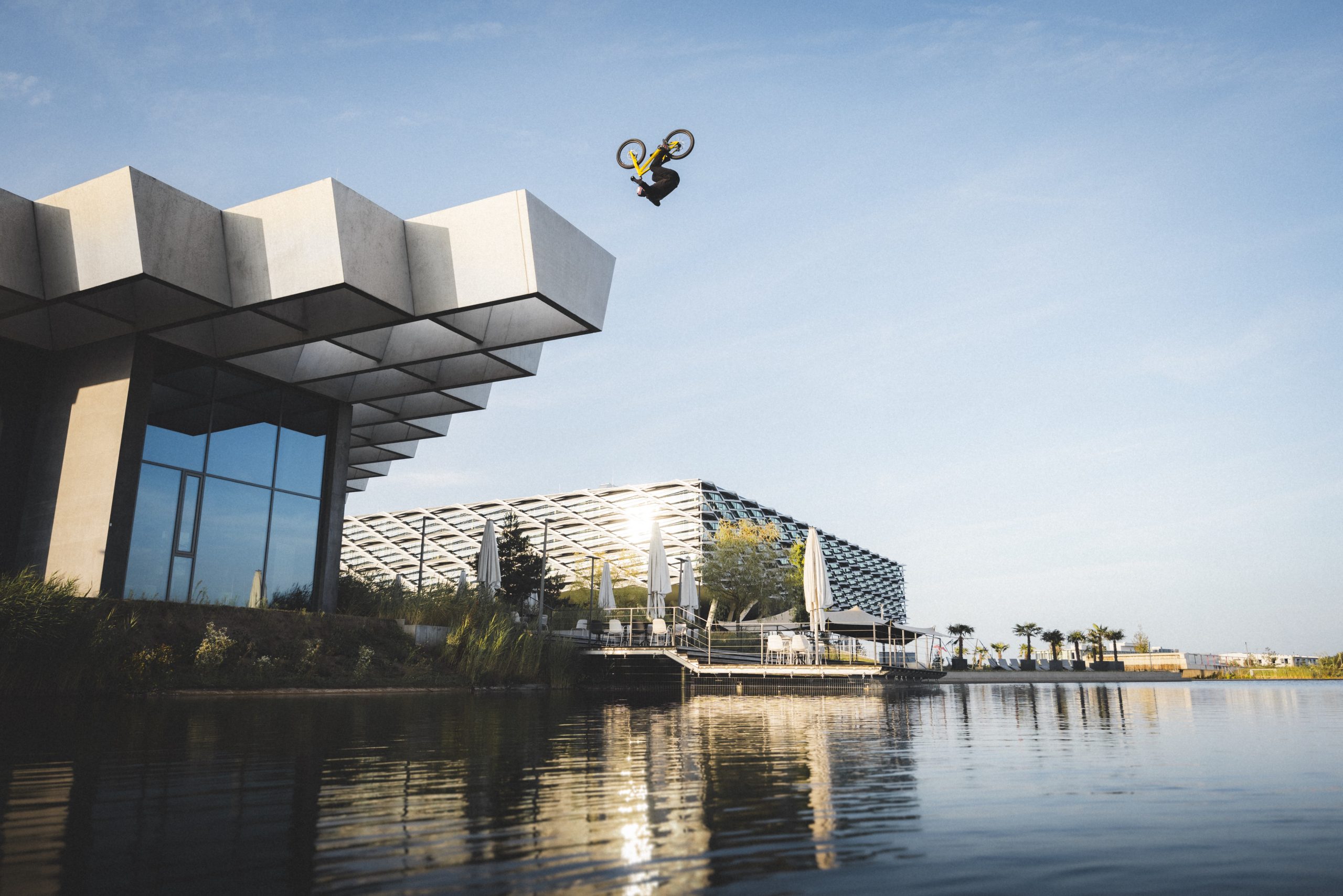
For bike businesses, understanding the strengths of each platform is key. Instagram offers visual storytelling; TikTok thrives on short-form creativity that captures the energy of popular culture; Facebook remains strong for community groups and local engagement; X (formerly Twitter) is all about real-time conversation; and YouTube delivers long-form, immersive video that builds authority and trust—alongside Shorts for more snackable content. Each channel has its own unique audience profile and way of connecting. Knowing where your customers spend their time ensures your efforts have real impact.
Of course, most businesses don’t have the time or resources to manage every channel effectively. That’s why understanding where your commercial opportunities lie is critical. In this article, we’ll explore how to build a strong organic social presence by tailoring your approach to each platform, as well as a few top tips that we’ve learnt from our experience in managing high-profile accounts in the sports industry.
[divider style=”dashed” top=”20″ bottom=”20″]
Where to Start
It’s a challenging question, and one that requires a few assumptions. Since this article is written for the bike industry, we’ll assume the goal is to drive a commercial return from social media. With that in mind, Instagram and Facebook remain the most important channels.
Here’s why:
• Both channels allow for external link clicks.
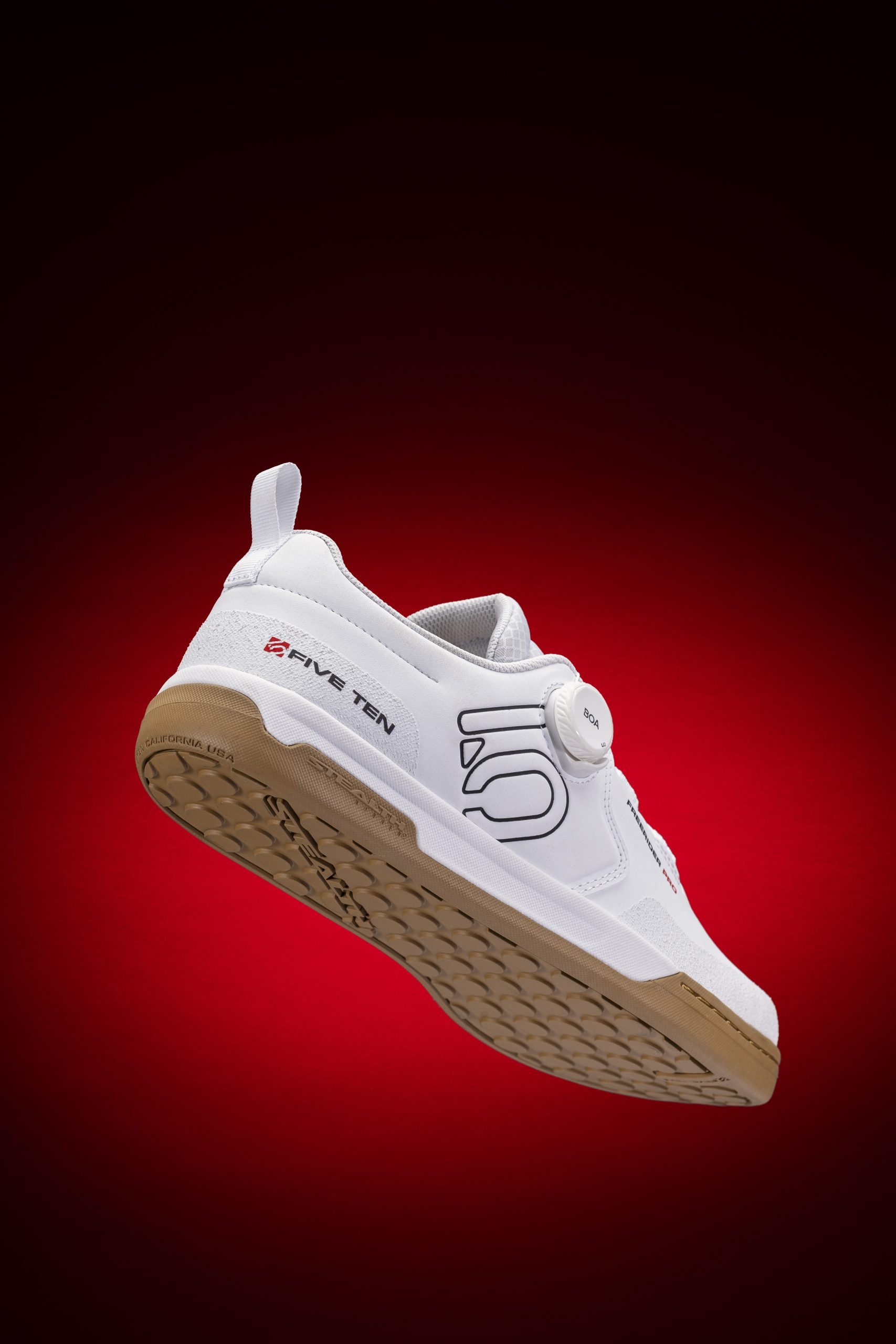
• Photography lands well on both platforms and is key for product storytelling.


• They appeal to the largest cycling consumer demographics with the highest disposable income.
• Both are owned by Meta and benefit from unified business management tools.
Before diving into platform specifics, let’s outline a few universal principles:
• Avoid scheduling apps or third-party integrations. Both Instagram and Facebook reward in-app activity. Using native publishing tools can increase your organic reach.
• Don’t misuse music libraries. If you’re a business, act like one. Avoid copyright issues—several high-profile cases are ongoing.
• Post natively, not cross-posted. Even if you can share content between platforms, creating tailored posts improves relevance and reach.
• Be mobile-first. Instagram is mobile-only, and more than 80% of Facebook users access it exclusively via mobile.
Retailer tip: Much of the content is already being created for you by brands and distributors. Ask your account managers for product photos and videos—then use them to fuel your own channels, promote launches, and announce restocks.
[divider style=”dashed” top=”20″ bottom=”20″]
Instagram – Our top tips to ramp up your Insta
• Cadence is key. Posting regularly ensures your audience sees and engages with your content, which in turn boosts algorithm visibility. Inactive accounts get deprioritised.
• Photography still works. Riders love seeing new products and detailed images. Don’t chase every viral trend—focus on what your audience values.
• Think funnel. Instagram is great for awareness, but can also guide customers through consideration and conversion toward purchase.
• Consistency matters. Keep your tone of voice, visuals, and language aligned. Repetition builds recognition and credibility.
• Respect originality. Don’t simply rip and repost other people’s content. Request files, add your own twist, and publish uniquely.
• Engagement beats views. Ten meaningful interactions are more valuable than 10,000 empty impressions.
• Mobile-first video. Shoot on a phone—authentic content outperforms overly polished ads. Always add subtitles for accessibility.
• Use native features. Polls, stickers, and edits increase reach by encouraging interaction within the app.
• Leverage ‘Repost’ and collaborations. Work with athletes, brands, and partners, and have the biggest channel publish collabs to maximise reach.
• Optimise for discovery. Instagram posts are indexed by Google. Use SEO-friendly captions and alt text for visibility.
• Engage authentically. Respond to comments and DMs; hide negativity but always address customer concerns.

[divider style=”dashed” top=”20″ bottom=”20″]
Many of the same principles apply, but Facebook deserves its own approach:
• Don’t simply repost from Instagram—content formats and tags behave differently. Post natively.
• Put product/shop links in the comments section to encourage engagement without falling foul of the delivery algorithm (Meta doesn’t want users to leave the platform).
• Use Facebook for news, reviews, and article sharing—it excels as an information hub.
• Get involved in communities. Your customers are in groups sharing rides and product reviews—join the conversation.
• Keep business details updated. Many customers still use Facebook for brand discovery.
• Ensure Meta Business Suite compliance. Mismanagement can lead to frozen accounts.

[divider style=”dashed” top=”20″ bottom=”20″]
Community Management
Community management—also known as community engagement—is one of the most underused opportunities in social media. This is about showing up as your brand outside of your own channels:
• Bike shops commenting on brand posts about new bike releases.
• Brands replying to customer build posts or advice questions.
• Distributors adding expertise in industry discussions.
• Celebrating community members through likes, shares, and comments. Done well, this can be just as valuable as posting content.
[divider style=”dashed” top=”20″ bottom=”20″]
Customer Service
Social media is now one of the first places customers turn for support. From product questions to warranty queries, being active demonstrates responsiveness and reliability. If you don’t have the resources for live engagement, set up auto-responses that direct people to email or your website.
[divider style=”dashed” top=”20″ bottom=”20″]
TikTok
TikTok is a video-first platform that thrives on cultural trends. Simply reposting Instagram Reels won’t cut it—TikTok needs its own strategy. For smaller businesses, working with influencers or partners can be an efficient way to reach Gen Z audiences. When talking to small to medium-sized businesses, especially in the bike industry, we suggest focusing time where we can have the most commercial uplift, and Meta remains (broadly) the best proposition for this. Want to know more about TikTok specifically? Drop us an email and we can answer your questions.
Stat: 84% of TikTok users also use Instagram regularly—so consider complementary strategies across both platforms.
https://www.tiktok.com/@rubiconrawenergy/video/7539877443675360534
[divider style=”dashed” top=”20″ bottom=”20″]
X (formerly Twitter)
X remains strongest for real-time conversation. It’s less about commercial returns and more about cultural presence—ideal for brands wanting visibility around live events and trending topics.
[divider style=”dashed” top=”20″ bottom=”20″]
YouTube & YouTube Shorts
YouTube is the second most visited and searched platform in the world, after Google. Long-form video has always been its strength, but Shorts now offer a mobile-first format.
Quick tips:
• Curate playlists with relevant third-party videos to enrich your channel.
• Repurpose Instagram Reels into Shorts with minimal effort.
• Optimise titles, descriptions, and thumbnails for SEO.
• Educational content often performs better than entertainment in niche industries.
• Engage with your community by responding to comments.
Summary
We’ve only scratched the surface—each channel could warrant its own article. But organic social media is one of the most effective tools available to bike businesses.
Social media has been part of the digital landscape since SixDegrees.com in 1997, followed by Friendster (2002), Facebook (2004), and Instagram (2010). It’s been here for over two decades, and it isn’t going anywhere.
Too often, social media is treated as an afterthought or junior role. But today it’s a multi-faceted marketing discipline involving strategy, videography, copywriting, influencer management, analytics, and more.
Done right, social media can:
• Build awareness of your brand and products.
• Foster meaningful community engagement.
• Drive customers through the purchase funnel.
For more information or if you have a specific question, you can reach the WorkWith Studios team at info@workwithstudios.com or visit us at www.workwithstudios.com
Learn How to Use Paid Social Media & Media Buy Effectively – Going live on 10th September. We’ll talk about paid advertising, showing you how to target your ideal customer and get the most out of your budget.


