
This piece first appeared in the September 2026 edition of BikeBiz magazine – not subscribed? Get a free subscription.
By Matt Smithson, Director of Esports and Game Operations at MyWhoosh
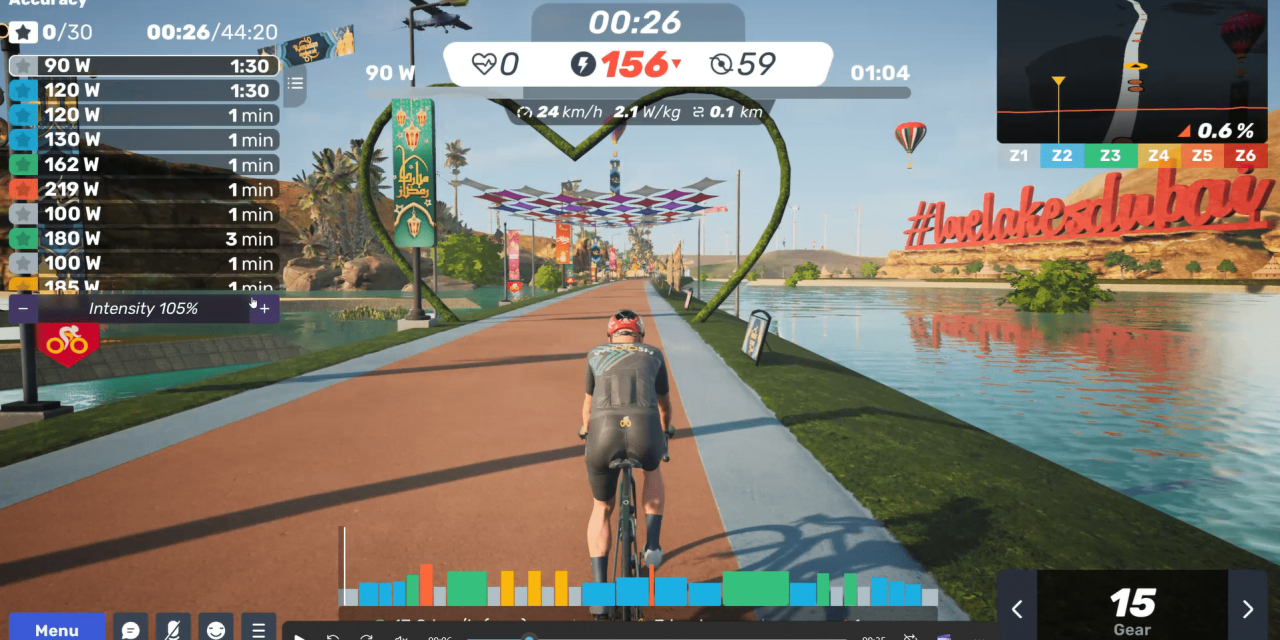
Every Sunday, riders from the Champ Bullys Philippines women’s cycling team climb onto their bikes and race on MyWhoosh, led by multi-time Philippine National Champion Jermyn Parado, to compete across Categories 2 to 4 in our Sunday Race Club, chasing results for themselves and the team. The racing finishes, their heart rates come down, and any prize money they secured goes into a shared pot. It helps pay for the team’s travel to races across Asia as well as accommodation, entry fees and equipment.
Over the past few years, those earnings have helped Champ Bullys survive and grow, allowing their riders to go on and win national titles and achieve strong results internationally. As a former bike racer in my youth, this is the part of their story that stays with me. The money earned in Sunday Race Club is putting a rider on the start line of a physical race hundreds of miles away. We’re turning an opportunity that exists on a screen into one that might change the direction of a career.
At MyWhoosh, we spend a great deal of time talking about access, and Champ Bullys are some of the people who make that idea tangible. These women already have the talent and the commitment to race at a high level, but what they need is a practical way to cover the costs that stand between them and their next opportunity.

This is why prize money has always been an important part of our platform. We never had a transition period or a target date for reaching parity – men and women have received equal rewards in MyWhoosh competitions from the beginning. Asking our women’s field to wait until our platform reached an undefined milestone would have built an imbalance into the competition before the first race had even started.
And as we can see in other sports, once that imbalance becomes established, it can be difficult to change. Budgets develop around it, commercial incentives lock in inequality, and unequal rewards become just part of the furniture. We had the benefit of building a new competition model, so we chose to start where we believed the sport should already be. At the MyWhoosh Championships 2026, we split the $1 million prize fund equally between the men’s and women’s competitions and Sunday Race Club distributes approximately $300,000 each month on the same basis.
SRC also has between 35 and 40% female participation each week. These are large numbers, and we are proud of them. But their meaning becomes much clearer at the individual or team level. For an emerging rider, a relatively modest prize can pay for a flight or replace a worn piece of equipment, which can be the difference between entering a race and watching it take place without you.
We have an advantage, of course, because virtual racing gives us greater freedom to make that choice given that it works differently from road racing. A physical race organiser has to create a temporary sporting venue across public roads. Permissions have to be secured, roads need to be closed, and significant safety operations have to be put in place. Teams, riders and equipment also need to reach the same location.
Much of that work begins again when the next event moves elsewhere. This is unique to cycling given that stadium-based sports such as football have a permanent venue that either removes or reduces many of these barriers. But e-sports looks different. To build a professional-level platform, we do have to make a significant investment in our technical platform, race operations, broadcasts, rider verification and fair play programme – anyone who thinks virtual racing simply involves connecting a few turbo trainers has probably never watched our operations team deal with a live competition involving riders across several continents.
But the advantage is that our core infrastructure can support more racing once it is in place. We do not need to build a new physical venue every Sunday. Riders enter from their own homes, while our platform supports different ability categories and competitions throughout the year. This lowers the additional cost of creating each race, and it gives us room to direct a share of the competition budget towards the riders producing the spectacle. Of course, a different cost base does not force an organiser to offer equal prize money, and virtual competitions can (and do) reproduce the same inequalities found elsewhere in sport. But the economics allowed us to make a decision, and we made it.
Building parity into the regular racing calendar also gives riders more certainty than a one-off campaign. Champ Bullys can plan around Sunday Race Club because the opportunity returns each week, so rather than waiting for one sponsor to fund an entire season, the riders can contribute to the team’s budget through their own performances. I find our model really exciting because it gives athletes more control.
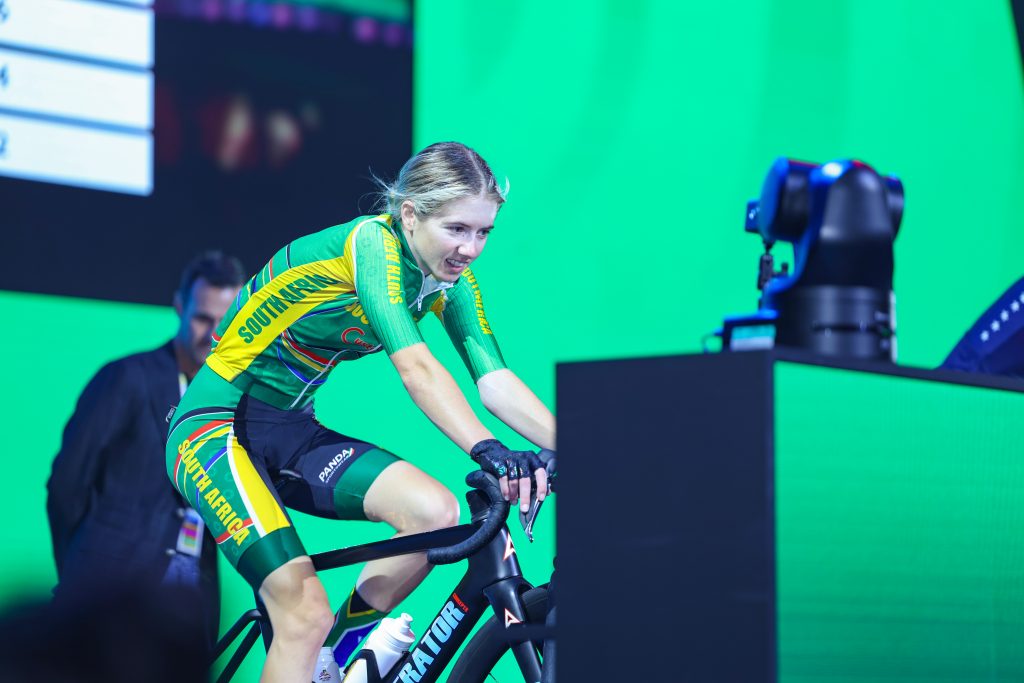
Sponsorship will remain essential to cycling, but it shouldn’t be the only route available to a talented rider or an ambitious team. Virtual racing creates this other source of income and makes it way more available across borders. The Champ Bullys story also shows how artificial the division between virtual and outdoor cycling can be. What we’re seeing more and more is riders moving between the two more often; training indoors for outdoor events, competing virtually during parts of the season and then taking the fitness they build back onto the road. It’s becoming clear how the success in one form of racing directly funds participation in the other.
This relationship should interest the wider bike industry because a digital service becomes more valuable when a rider’s time on it creates opportunities elsewhere in their life, especially if it allows them to develop as an athlete or remain in the sport when the cost would otherwise force them out.
I’m by no means suggesting that every road organiser can or should copy our model. Physical events will always face costs that we avoid, and long-established races like the Classics and the Grand Tours have commercial arrangements built over many years. But every organiser makes choices about how value is distributed, and new formats give us the chance to reconsider choices that the sport has grown used to accepting. At MyWhoosh, equal prize money is now an established part of how we operate.
I am proud of the headline figures, but I care even more about what riders do with them. When the Champ Bullys team arrive at their next race in Asia, part of that journey will have been paid for through their performances on Sunday nights. That is the outcome we had in mind when equal prize money went into the model from day one.