
By Aneela McKenna
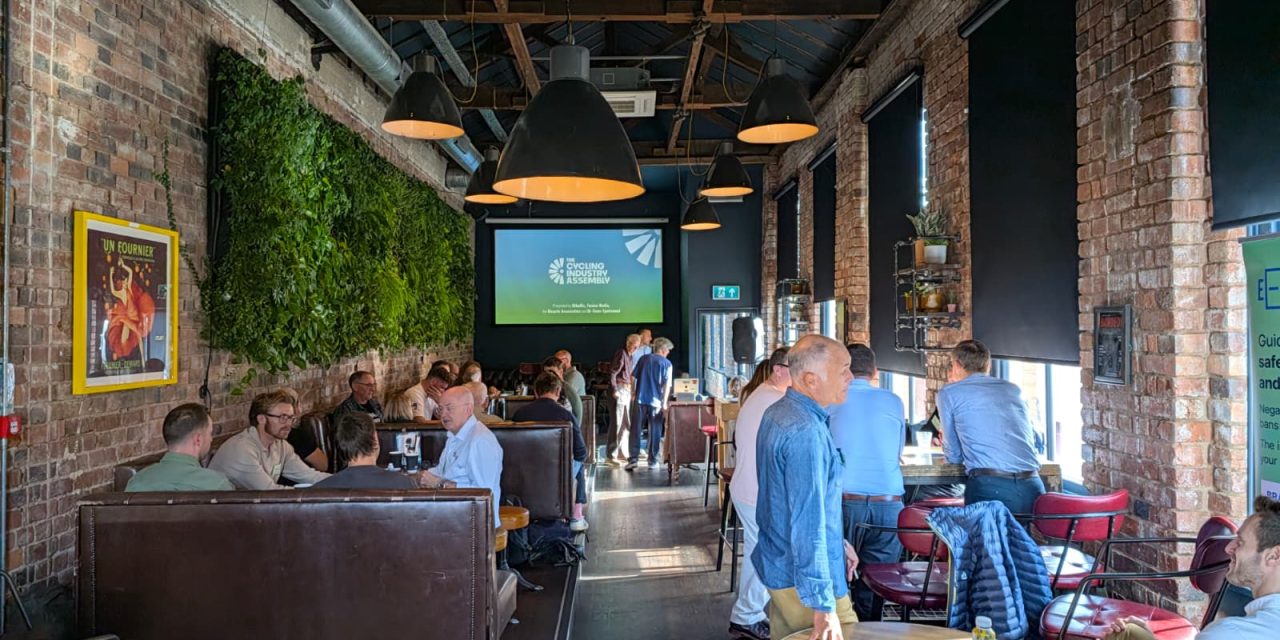
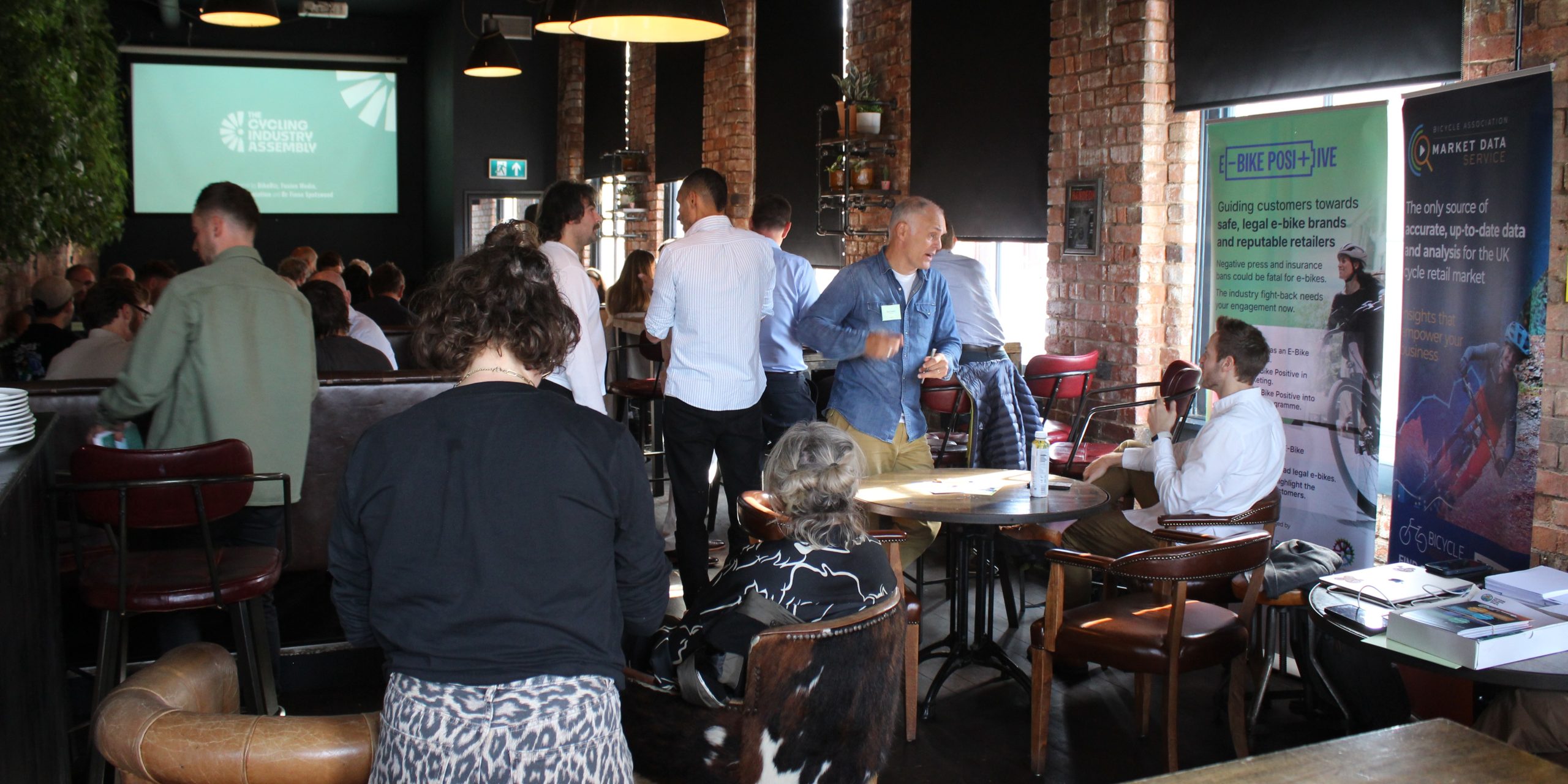
As a long-standing advocate for inclusion in cycling, I could not miss the opportunity to attend the inaugural Cycling Industry Assembly, presented by BikeBiz, Fusion Media, the Bicycle Association, and Dr Fiona Spotswood. The event was held in Birmingham, bringing together around 50 industry leaders and professionals.

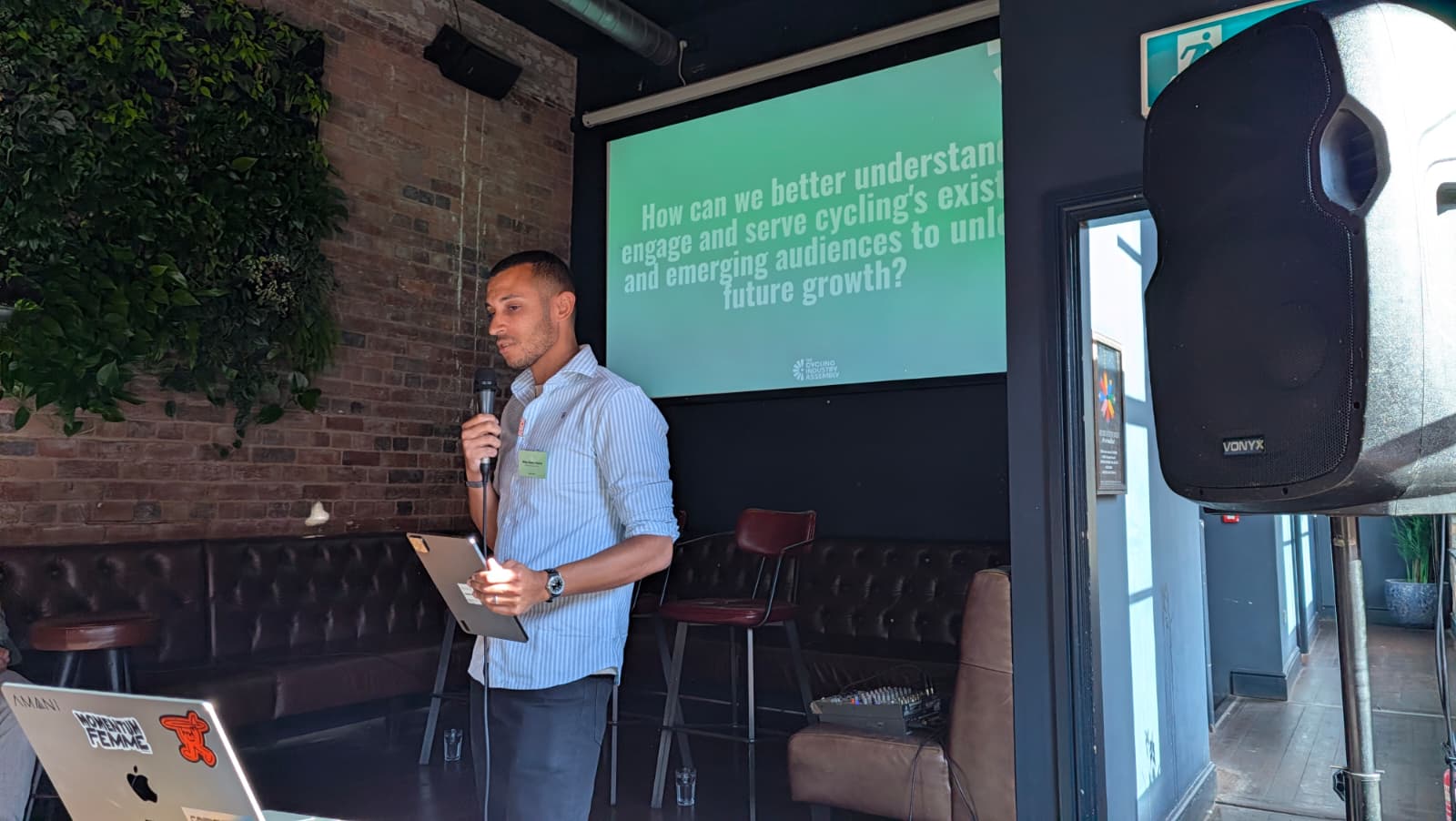
The core question posed to the room was simple yet urgent:
“How can we better understand, engage, and serve cycling’s existing and emerging audiences to unlock future growth?”
It is a question I have spent many years working to answer. As an Inclusion and Wellbeing Consultant, I work across multiple sectors helping businesses unlock the commercial, social, and moral value of equity and diversity.
When we talk about inclusion in cycling, the immediate reaction is often focused solely on widening participation. But the conversation must go much deeper.
Inclusion is a key driver of business growth.
We need to reflect on ourselves as an industry and consider how everyone within the bike ecosystem can drive a narrative shift, one that positions bikes as being for everyone and actively dismantles the traditional “fast, male, and challenging” stereotype.
Viewing consumers through a broader lens will help us unlock innovation, creativity, and new markets.
Market Realities and the Untapped Consumer
The Bicycle Association presented positive forecasts showing upward value trends, even against the backdrop of current cost-of-living challenges. Today’s consumers are value-conscious, actively seeking deals through promotions, Cycle to Work schemes, or finance packages. E-bikes represent our largest growth potential and the single best opportunity to attract new demographics.
This optimism gives us a prime opportunity to re-evaluate who we define as “the consumer.”
Understandably, in challenging economic times, businesses may hesitate to make major strategic shifts for fear of alienating their existing customer base. But what if showing a different story actually gained us more customers than we risk losing? What if we created environments, both in-store and online, where everybody felt seen and welcomed?
Consider the disabled community: 1 in 5 people in the UK live with a disability, a figure set to rise with an ageing population. Combined with the growth of e-bikes and adaptive cycles, this represents a vast, underserved market.
During the assembly, a comment was made in the room that “disability doesn’t sell.” I believe that perspective misses the bigger picture entirely. Disabled people represent 25% of the UK population, and we need to break the negative stereotypes around disability.
Reframing accessibility from a perceived barrier into a core strategic opportunity isn’t just a social and moral imperative; it’s key to driving long-term industry growth. Sharing relatable personal stories that visibly affirm disabled riders in our community is an especially powerful way to shift attitudes.
A similar opportunity exists with women, who represent half of the UK population and a massive untapped customer base if we take a more intentional approach to their needs.
Bronwyn Benstead, Data Analyst for the Bicycle Association, shared compelling data insights highlighting that men currently make three times as many cycling trips as women, with only 9% of women cycling weekly compared to 20% of men. Closing this gender participation gap could bring an estimated 3 million additional riders into cycling, assuming weekly participation. Against an existing market valued at approximately £2.1 billion annually, this represents potential growth of nearly £500 million, an increase of roughly a fifth.

Yet a recurring obstacle remains: what do women actually want? As Bronwyn observed, current consumer data often fails to capture the nuanced buying behaviours of women versus men. We tend to count the bike, not the rider. Furthermore, as was highlighted during discussions in the room, women remain less likely to step into a traditional bike shop, often relying on male partners to make purchases on their behalf.
What if bike shops were environments where women felt safe, comfortable, and empowered to make their own choices? What if more women were leading decision-making within the industry itself? Without diverse perspectives at the decision-making table, it is nearly impossible to break the mould.
Gearing Up: A Framework for Strategic Change
Dr Fiona Spotswood’s Gearing Up toolkit provides a fantastic framework for operationalising inclusion. While initially focused on gender, its five pillars – strategy, data, image, supply chain, and workforce can easily be adapted across all aspects of diversity.
- Embed Inclusion into Your Core Strategy
The key step for any business is to make inclusion part of your core strategy. Define your vision and your aspirations to get there, because once you have that locked in, real change follows. We have seen success in other sectors where underrepresented groups have benefited from clear strategic targets. Targets are not rigid quotas; they are aspirations that signal commitment and direction. When your vision is clear, aligning your marketing, workforce development, and data collection becomes straightforward.

Pippa Wibberley, Managing Director at Tredz, highlighted why embedding inclusion at a strategic level is essential:
“Integrating inclusion directly into our business strategy isn’t just about culture; it’s how we build a resilient, forward-looking commercial model for the future.”
2. Rethink Recruitment and Build Accessible Pathways
Reflecting on the event, Fiona noted how reassuring it was to see growing recognition across the room:
“I was reassured by the growing recognition that diversifying cycling participation is fundamentally connected to diversifying the people in the room making decisions. Who shapes business strategy, marketing, and workplace culture has a direct influence on who feels cycling is for them.”
With that in mind, take this opportunity to audit your recruitment practices and entry points. Building diverse teams isn’t just the right thing to do; it drives innovation, broadens perspectives, and delivers tangible business value. Rethink job descriptions and career pathways by creating structured internships, mentoring schemes, and clear progression routes to help people get a foot in the door.
Make it explicit in job adverts that being an active cyclist isn’t a prerequisite for the role. Research shows women are far less likely to apply unless they meet 100% of the job criteria, whereas men are more likely to apply with significantly fewer criteria met. Creating accessible pathways and actively nurturing potential is key to building a resilient, representative workforce, driving better decision-making, and deepening our understanding of the wider market.

3. Bridge Data Gaps Through Direct Community Engagement
Data was mentioned frequently as a core concern at the Assembly, with many noting that limited progress stems from a lack of robust evidence. If your consumer data lacks depth on emerging audiences, go straight to the source. Reach out to local grassroots groups and underrepresented riding communities. Ask them what they need and invite them to co-design products, retail spaces, or events. As Pippa shared during her presentation:
“We gathered survey responses from over 1,000 women to gain meaningful insight into what women actually want as consumers and what will transform their experience. A core part of our strategy now is acting directly on what those women are telling us.”
4. Pace Your Marketing Narrative for Authentic Change
Finally, pace your marketing narrative. Visual representation matters, but it must be backed by genuine strategic action. Shift your storytelling in thoughtful, steady iterations rather than overnight pivots. Authentic representation balances your existing customer base while gradually normalising an inclusive brand identity until it simply becomes Business As Usual.
Moving from Intent to Action
The future of the bike industry is bright. I came away from the day feeling optimistic about the clear desire in the room for a commitment to change. Sales projections are moving forward, and while we may not be at peak pandemic levels, there is genuine reason for momentum. We must use this energy to step back, reframe our approach, and ensure access to cycling is no longer confined to a narrow demographic.
What impressed me most at the Assembly was that collective appetite for meaningful change. But goodwill must now translate into concrete action. As Fiona reflected after the event:
“I was encouraged by how many people were willing to step outside their already stretched and pressured day jobs to engage with bigger questions about how cycling can reach and engage new audiences. These conversations can be uncomfortable, but there seemed to be a genuine willingness to listen, reflect, and consider how new perspectives might change business practices.”
We were all asked to write a pledge at the end of the conference. I pledged to keep pushing boundaries, challenging assumptions, and helping make our incredible industry even stronger by opening doors for everyone. I left feeling hopeful, motivated, and confident that if we act on the pledges made, the next time we come together, we will be able to report real, measurable progress.
Thank you to all the partners and everyone in the room for creating such a thought-provoking space and for actively making room for new perspectives to rise.
About the Author
Aneela McKenna is the founder of Mòr Diversity, a specialist Equity, Diversity, Inclusion, Belonging, and Anti-Racism consultancy working at the intersection of people, systems, and communities across sport, major events, and the outdoors. She is also a mountain bike guide and coach, and co-founder of the FNY Collective, a Scottish Charitable Incorporated Organisation (SCIO) dedicated to supporting women’s participation in cycling.
