
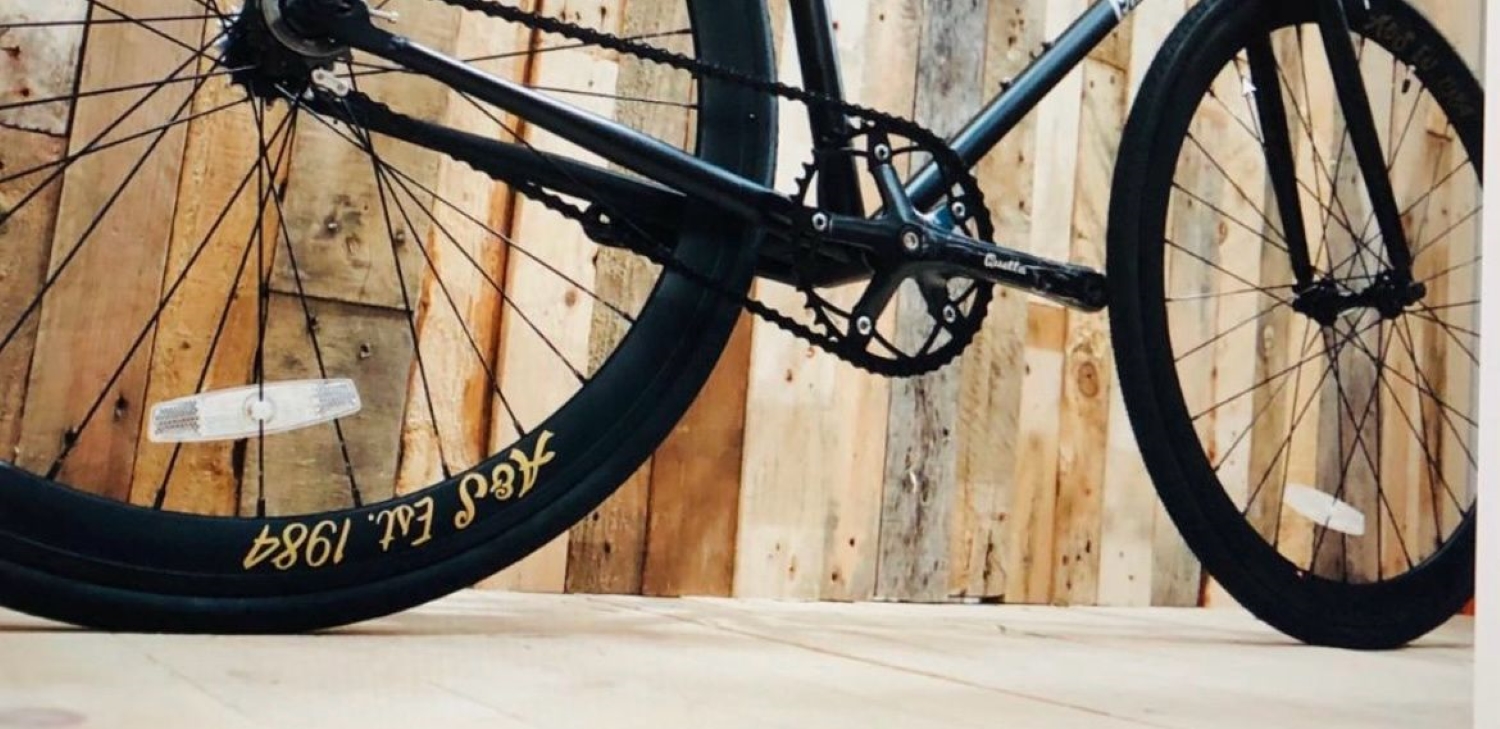
In the week following a host of rumours about potential changes to the Cycle to Work scheme, BikeBiz saw posts shared by A&S Cycles owner, Sham Vesamia, on LinkedIn, which offered up a retailer’s perspective. Having spoken with Sham, here we reproduce the posts as a single article, shared with the BikeBiz audience.
I’ve read a lot recently from various industry professionals about Cycle to Work schemes, and I wanted to share a perspective from the other side of the counter — from those of us who actually fit, build, and hand over the bikes.
At A&S Cycles Hackney, we’ve always believed in the spirit of these schemes. Anything that gets more people cycling, leaving the car at home, and improving their health — we’re behind it 100%. And for customers, they’re brilliant.
They make bikes more affordable and get people pedalling who might never have taken that first step otherwise. But behind the good intentions lies a growing problem that’s slowly wearing down independent bike shops like ours.
When a customer comes in with a Cycle to Work voucher, we do what we always do: we give them time, advice, and hands-on service.
We:
- Help them find the right bike for their body, commute, and needs
- Handle test rides, sizing, and accessory recommendations
- Build, tune, and safety-check the bike from the ground up
- Complete all the admin and voucher paperwork
- Offer follow-up servicing and support
This isn’t just “processing a sale.” It’s hours of skilled work from experienced mechanics and staff who care deeply about doing it right.
The reality behind the scheme
After all that work, when the sale goes through the scheme, we’re hit with a 10–15 % commission fee from the provider.
That might sound small — until you understand the numbers. Most independent bike shops work on gross margins starting around 20 %. Once you factor in rent, wages, utilities, insurance, and taxes, that commission wipes out any meaningful return.
Sometimes, there’s literally nothing left.
And yet the scheme provider — who hasn’t fitted the customer, built the bike, or handled the service — walks away with the biggest cut.
It’s not about greed or complaint; it’s about sustainability.
When the people doing the hands-on work can’t make a profit, the whole model begins to break down. Margins in the cycle trade are already tight. Add rent, wages, insurance, and stock costs, and that commission often leaves virtually nothing for the shop.
Sometimes it’s less than the cost of the labour we’ve put in. Meanwhile, the scheme provider — who hasn’t touched a single bike — benefits most.
Backed into a corner, and where change could begin
Here’s the hardest part: we can’t simply say no.
If we refuse to take Cycle to Work vouchers, customers understandably go elsewhere — often to big chains or online retailers who can absorb the loss more easily.
So we’re forced into a corner:
- Say ‘yes’ and make almost no profit,
- Or, say ‘no’ and lose the customer entirely.
Neither option supports local business.
We keep doing it because we care about cycling, about our customers, and about the community we’ve built. But the truth is, this system slowly erodes the foundation of small, independent bike shops — the same shops that give cycling its personal, human touch.
Cycle to Work schemes have done fantastic things for participation, but we have to be honest about the imbalance they’ve created.
The cost of running these schemes shouldn’t fall entirely on the independent retailer.
Surely, there’s a fairer model — one that shares the burden more evenly between employers, scheme providers, retailers, and even suppliers. Suppliers could play a part by reviewing their margins and creating specific wholesale models for Cycle to Work sales — acknowledging the reduced return shops face.
If schemes are here to stay (and they should be), then everyone in the chain needs to help make them workable.
The Bigger picture, and a call for fairness
Because without local shops:
- Who’s there to fit those bikes correctly?
- Who helps new riders get started safely?
- Who services and maintains them long-term?
If local shops disappear, we lose not just businesses — but knowledge, craftsmanship, and community. At A&S Cycles Hackney, we’re not asking for sympathy — just fairness. We want a conversation about how Cycle to Work schemes can continue doing great things for riders without punishing the independents who make it all possible.
We believe in the purpose of these schemes — we always have. But we can’t keep carrying the cost alone.
Maybe it’s time for the entire industry — from scheme providers to suppliers — to come together, rethink, rebalance, and rebuild this model in a way that keeps everyone rolling forward.
Let’s have an honest discussion because fairness should apply to everyone in the cycling world.
About A & S Cycles
Established over three decades ago, A&S Cycles is an independent, family-run business serving the Hackney
and wider East London community with their everyday cycling needs.
Our ethos and core values have stemmed from the late proprietor and ever popular, Suleman “Solly” Vesamia and his passion for cycling, the community and people. Since his sad passing in 2013, our children and I continue to run the business with the same traditional values envisioned from the start.
Now located on Lower Clapton Road, Hackney, we offer a wide range of bicycles, e-Bikes, Cargo, e-Cargo and accessories. Providing services and repairs in a fully equipped open workshop with qualified technicians. We cater for all cyclists, whether you’re a beginner, a commuter, or you just enjoy a social ride.
We pride ourselves on giving impartial advice, as we believe that customers should be confident that they are being provided with an honest and trustworthy service.
