

Last year, we launched our ‘Mechanic of the Month’ in partnership with bikebook to champion bicycle mechanics around the UK.
We now have additional support from Topeak, who agreed to support the initiative by offering Topeak tools and best trade pricing across the Topeak Tools/Workshop range (via Extra UK) for 12 months.
Nominations are open to the public via bikebook, allowing anyone to nominate their favourite mechanic.
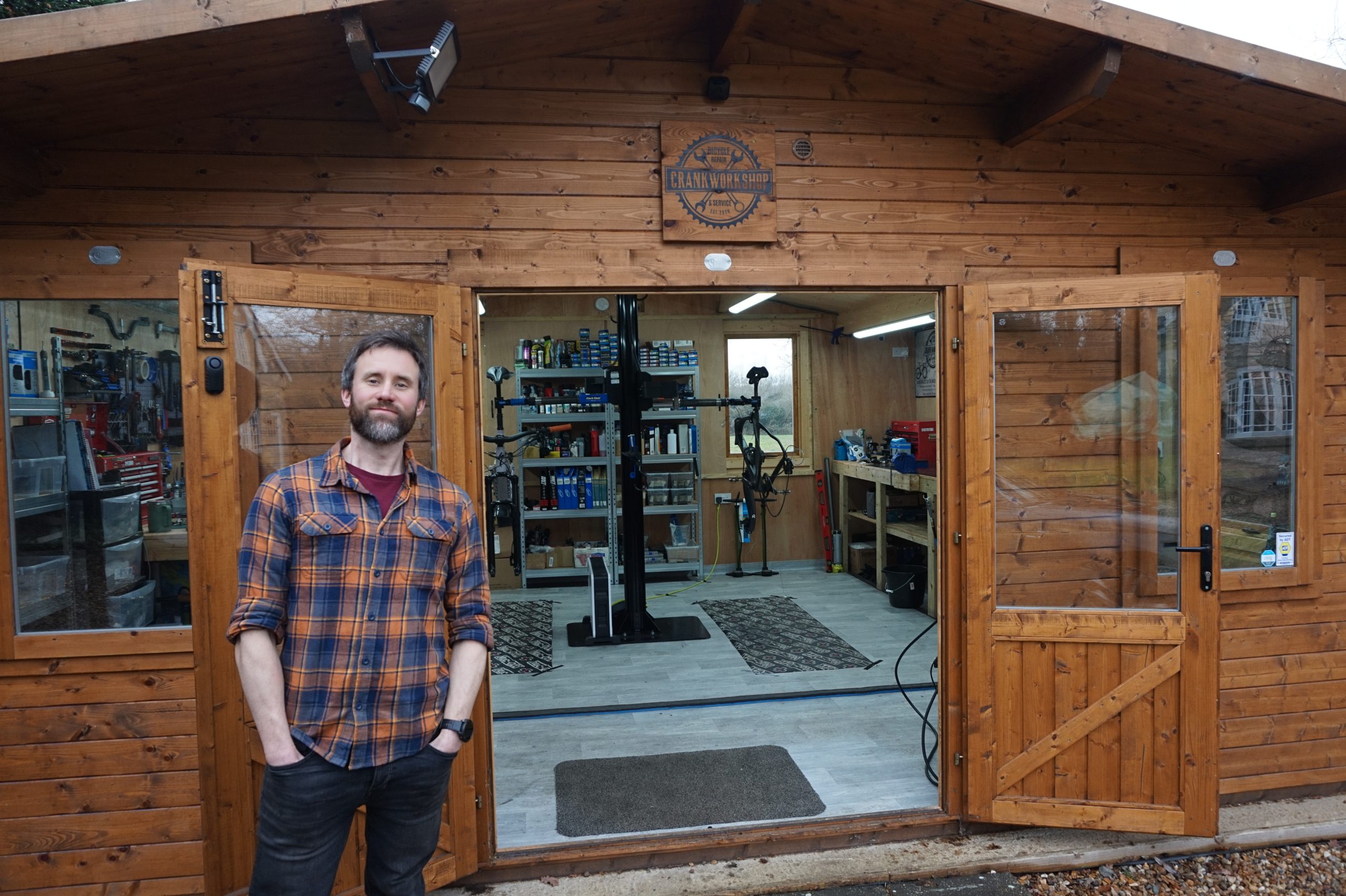
Here we chat to our most recent winner, Steve from Crankworkshop Bicycle Repair & Service
Walk us through your journey into the world of bicycle mechanics? What initially sparked your interest in the job, and how did you get started?
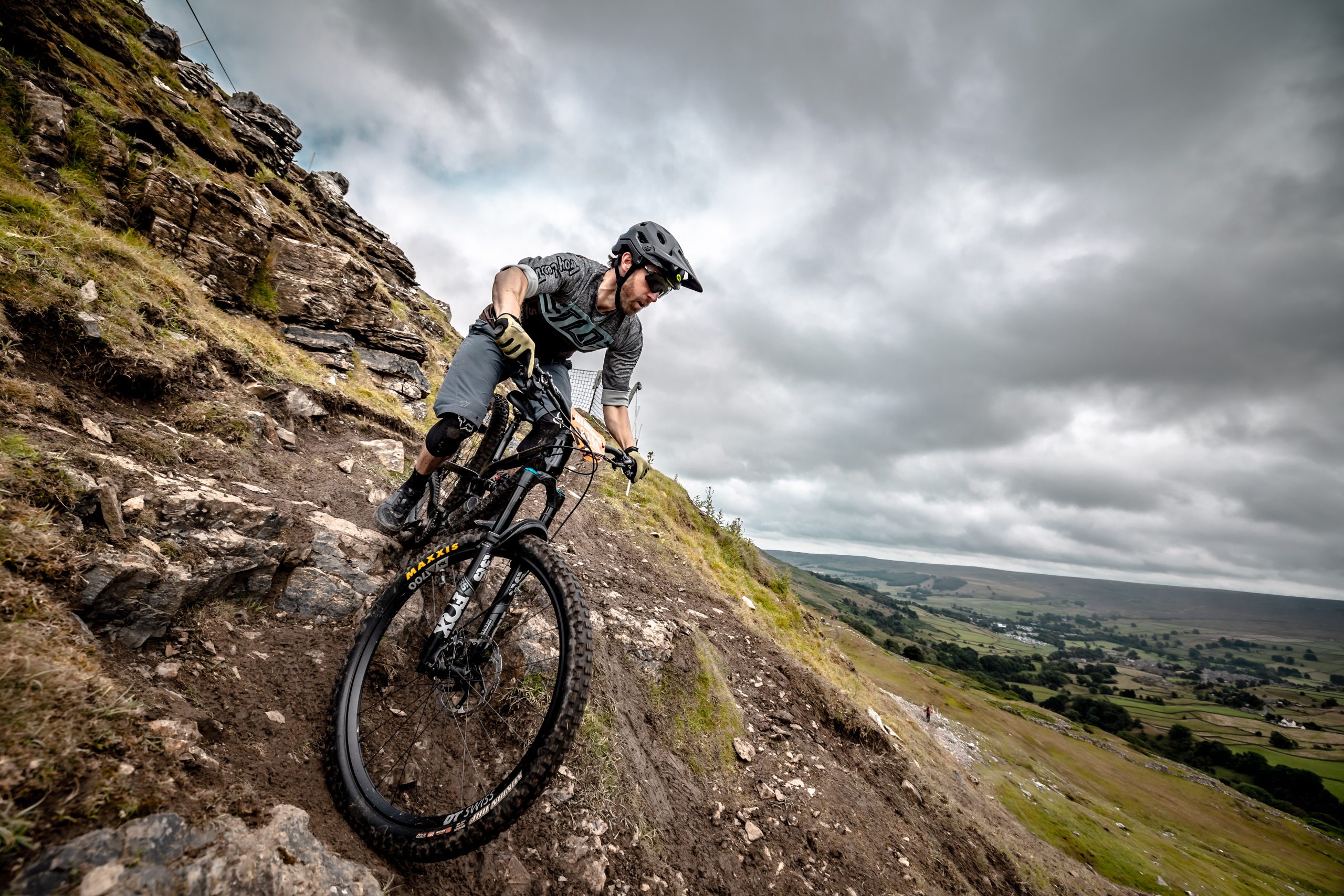
I’ve always been into bikes; it’s trail/enduro MTB stuff these days, but it was mostly BMX when I was a kid that got me hooked. When I was 16, I did my work experience at my local bike shop, and then went on to work weekends and school holidays there for years afterwards. This was a great introduction into mechanics, as it was mostly a rental fleet business, and I was hands-on fixing the rental bikes from day one. Career-wise, in my 20s and 30s, I went in a totally different direction and became a pro skydiver and skydiving coach, but I always carried on riding and wrenching in the background.
Tell us about your current role and where you work?
I run my own workshop in Milton Keynes. I started Crankworkshop Ltd in 2020. It’s just me at the moment, but the business is growing every year, so that might change very soon. The pandemic had a huge effect on my old job, and a new baby also meant that my life needed to change in order to keep me at home more. The bike workshop seemed like a good option that would see me working from home with good flexibility and freedom, spending lots of time with the family, and still doing something I loved.
What does a typical day look like for you in terms of the bikes and jobs you most often encounter in your workshop
Milton Keynes has an excellent riding scene. Loads of road riders, and a healthy MTB community as well, thanks to Woburn. Most of my work is higher-end servicing and maintenance. But you never know who’s going to knock on the door; last year, I had a Japanese guy riding a recumbent on a world tour come in for some essential repairs. You’ve got to be ready for anything!
In your opinion, what is the most important, or perhaps misunderstood, aspect of a bicycle mechanic’s role?
You’ve got to be good with your hands and be keen to get stuck in with a good problem-solving attitude; those are essentials. But I’d say the most important skill, especially if you’re running your own workshop, is how to communicate with your customers. Explaining problems and solutions to your customers in a simple and helpful way, and keeping them updated on what’s going on.
Do you feel mechanics receive adequate recognition for their expertise and the value they add?
The keen cyclists always appreciate the work you do. The commuters and casual cyclists probably don’t as much, but that’s fine; they don’t share the same passion about the sport as we do.
There are a lot of jobs in the workshop that aren’t difficult, and most people could do them at home; just be glad that they’re choosing to pay you to do those jobs for them. But equally, there are a lot of jobs that do require real skill, and those are the ones worth getting really good at, so you can ensure the work will always keep coming in.
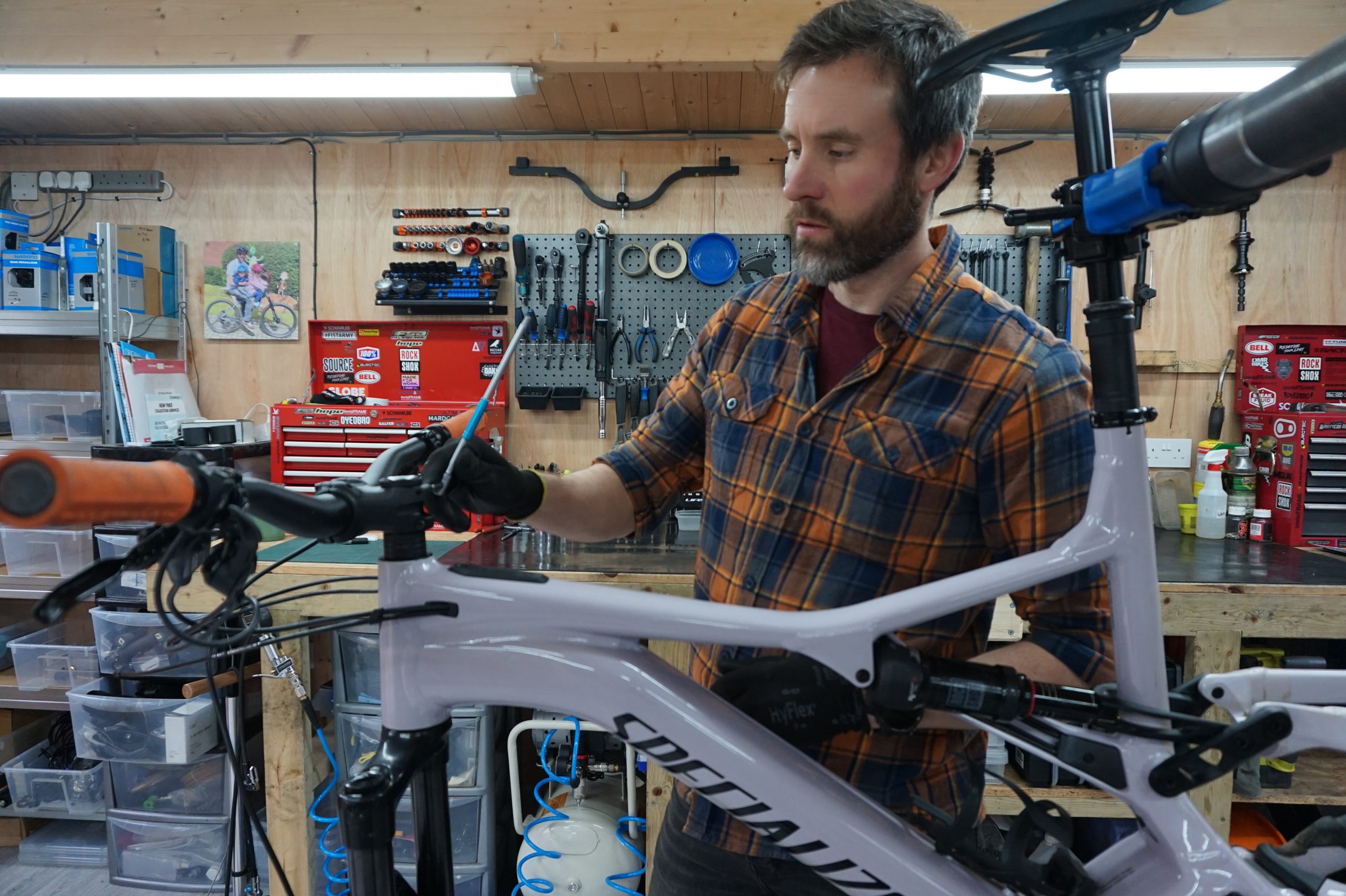
Do you have a favourite tool you can’t live without, or a particular type of job or repair that you find most satisfying or challenging?
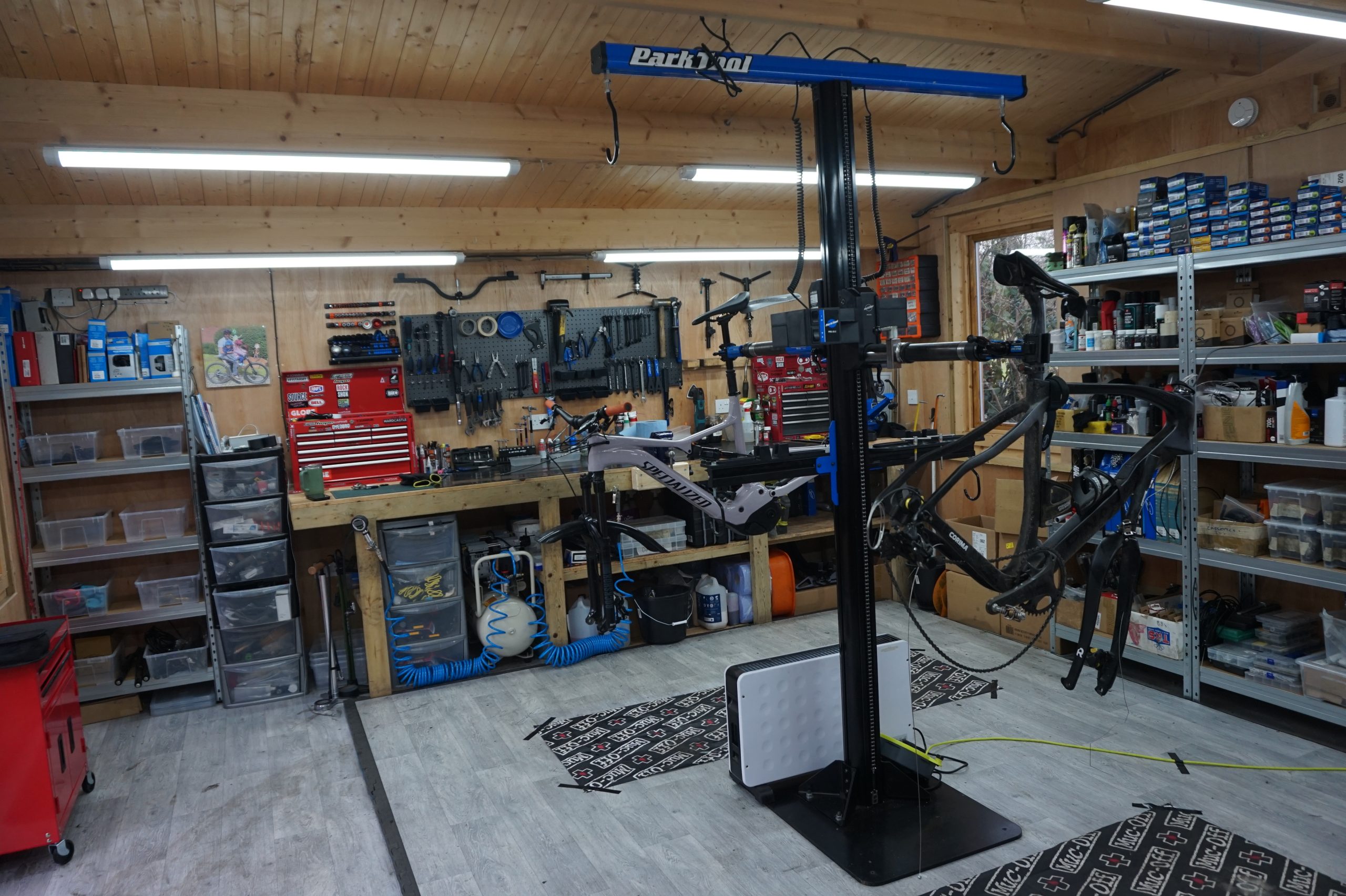
I’ve got a really nice wheel-building jig, and I also love a good bearing extraction/installation tool. The recent addition of a power lift workstand is the one that has made the biggest difference on every single job, though, that’s a mega piece of kit, and I feel very lucky to have one.
My favourite job is probably wheel building, because it’s one of those jobs that your average home mechanic still won’t attempt themselves, and there’s a level of perfectionism to it that I really enjoy. Frame bearing changes on full suspension bikes is also satisfying, because it’s often an area of the bike that gets overlooked by the rider, but makes a huge difference to the ride quality afterwards.
Are you using Bikebook? If yes, what’s your experience been like?
Not yet, but I really like the look of it. As soon as I expand to having another mechanic working with me, it’ll become a necessary tool and a huge help in keeping on top of workflow.
Beyond the practical skills, what do you believe are the most important qualities that make someone a great bicycle mechanic?
As I’ve said earlier, it’s the customer relations that I think make the difference. When people choose to come to a small local workshop like mine, they want the personal touch; friendliness, personalised advice and flexibility really matter.
How important have formal qualifications or continuous learning been in your development, and what are your thoughts on their value in the industry?
When I started at 16 years old, I didn’t require industry qualifications. I learnt on the job from the other mechanics in the shop, so it’s not essential to have those qualifications before you start out. I think experience and knowledge are by far the most important skills. But, I have since done Cytech training and brand-specific training in order to reinforce and update my knowledge and experience and found these very useful.
I’m looking to employ someone in the near future, and formal qualifications will be a major factor in my decision, alongside experience and other things.
As bikes become more and more complicated, especially e-bikes, I think specific training on motors, electronic systems etc are becoming vital in order to be able to offer full servicing on all brands and types of bikes. So I will be doing more training in the future on these things.
What changes in trends, bike technology, or rider culture have you seen during your time as a mechanic? How have these shifts impacted your work and the skills required?
Electronics. It’s an entirely new skillset and totally different to traditional bike work. It’s not going away, and it’s exciting and awesome, so keeping up to date with it as it evolves is going to be essential.
I’ve also noticed that more customers these days (mostly from the roadside) are not interested in doing even small maintenance jobs on their bikes themselves. They want to outsource this completely, which is great for us. But it also means that they demand perfection from the servicing that we do, so there’s more pressure to ensure your work is top-notch every single time.
What advice would you offer to someone who is just starting out or considering a career as a bicycle mechanic? What have you learned that you wish you’d known when you first began?
Get stuck in. Strip your own bike down and put it back together. Offer to fix your mates’ bikes as well. You’ll make a lot of mistakes in the early days, and it’s best to make those mistakes on your own bike and with no time pressure. And then just offer to help out wherever possible at your local shop, and soak up as much knowledge and advice as you can.
Working for someone else is most likely where you’ll start. But once you’ve got the skills and experience, this job lends itself beautifully to self-employment. And if you’re looking for freedom and flexibility in your life, then this can be a great choice.
Follow Steve on Instagram to keep up to date with his work.
