
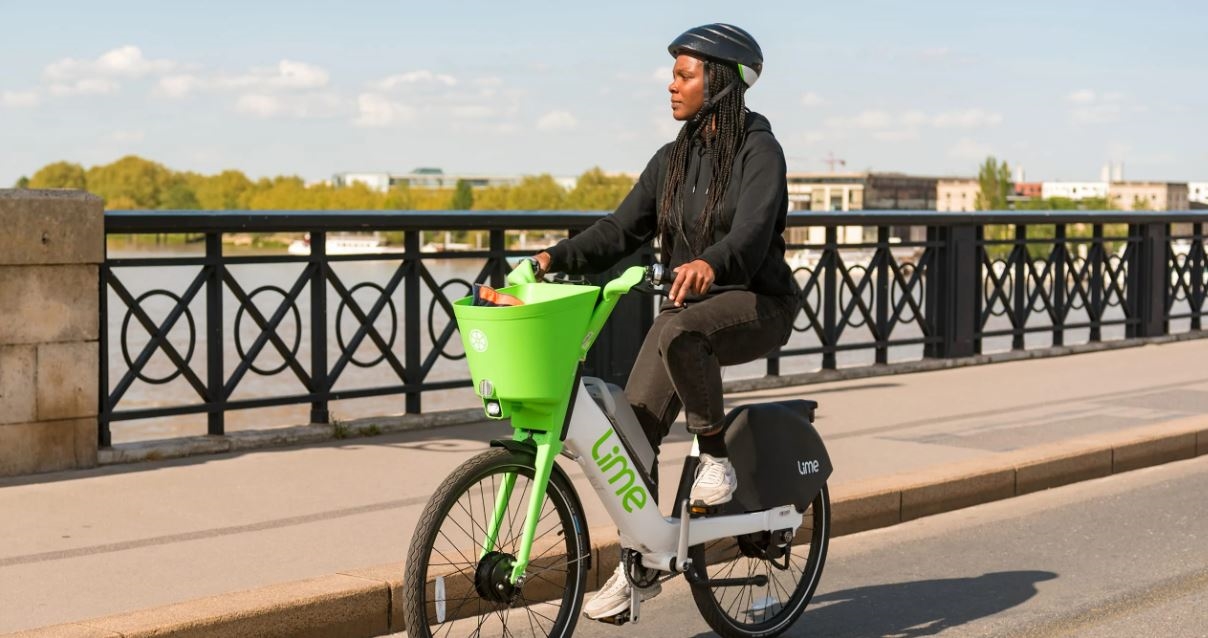
When Lime rolled out its first vehicles in 2017, the business set out with a clear vision: to build a future where transportation is shared, affordable and carbon-free. To make cities and the people who live in them more mobile and less reliant on cars.
Now that vision has become a reality, with the shared mobility provider officially hitting a major milestone—1 billion rides and counting.
Speaking about the milestone, a spokesperson for the business comments, “Hitting one billion trips proves that shared, carbon-free transportation is becoming a part of everyday life across the globe. Each ride isn’t just about the destination—it’s also about lowering emissions, creating greener cities, building stronger communities and making sustainable mobility more available to everyone.”
What’s Powered the Journey
One billion rides mark not only how far Lime has come, but also where it is headed. Today, Lime operates in approximately 30 countries across five continents, with a growing fleet designed for comfort, safety and reliability. The business remains “dedicated to innovation and sustainability across all of our vehicles, from our e-scooters and e-bikes to the new LimeBike and LimeGlider, making rides smoother and cities greener.”
“Every single one of these billion rides represents a step toward a more sustainable and equitable future for cities,” said Wayne Ting, CEO of Lime. “This is just the beginning.”
Platform innovation for increased accessibility
The LimeGlider is Lime’s newest seated electric vehicle and its most inclusive design to date. With footrests in place of pedals and effortless throttle-powered movement, it offers a simple “sit and go” experience that “makes every ride smooth and approachable”.
LEV evolution: The changing face of life on two-wheels
The LimeGlider is a prime example of the shifting landscape that is life on two wheels. This shift represents challenges and opportunities. Some markets adapt quickly, others take a more cautious approach – think the UK approach to eScooters and the long-running ‘trial’ which has largely killed off commercial actors – businesses building and selling eScooters – in the space.
Whilst the traditional cycling industry thinks about pedalling from an enthusiast’s perspective, the general population – people not cyclists – have less enthusiasm for the kind of effort that brands like Rapha have historically messaged around. That’s entirely understandable when the bike is a form of daily transport, not a sport and leisure platform.
Will the traditional cycling industry embrace the general population, who are moving to four-wheeled EVs in a once-in-a-lifetime shift?
Can the legacy cycling brands engage the general public?
Or will the likes of Lime and other shared mobility solution providers, along with actors from far beyond the cycling industry, such as Also. and Tarran, as well as ambitious businesses like Viiala, could be the Tesla of this new two-wheeled world?
Only time will tell.