

by Dominic Loh

Dominic Loh
The bike industry has been experiencing a really rough period for some time now. Almost every few months, some bike company will announce that they are going into administration due to financial problems and insolvency. Some have to go through a massive layoff, re-negotiate repayment, or eventually shut their doors. Some blame it on the COVID boom and the post-pandemic glut, but have we examined what has taken podium space that was once helmed by cycling?
Across the global sports landscape, a surprising new tension is emerging. Facilities once reserved for BMX, pump tracks, or junior MTB skills areas are being repurposed into pickleball courts. Composite manufacturers once tethered to cycling have pivoted to making paddles instead of wheels.
These developments may seem isolated at first glance—but they point to a wider, industry-relevant question: Is cycling losing cultural, economic, and infrastructural ground to the accelerating rise of pickleball and padel?
For the cycling industry, the implications go well beyond the anecdotal.
When Cycling Facilities Become Court Space
A growing number of municipalities—particularly in North America and parts of Europe—are converting cycling spaces into pickleball courts. Dirt jump areas, underfunded pump tracks, and ageing BMX parks are increasingly seen as “inefficient” uses of land compared to multi-court pickleball installations that can cater to a broader demographic.
These moves are often justified by councils pointing to participation data: pickleball has seen explosive growth among both youth and older adults, while cycling facility usage is frequently perceived as seasonal or niche.
For the industry, this raises concerns: fewer grassroots cycling spaces often mean fewer young riders entering the sport, fewer points of engagement for retailers, and fewer opportunities to maintain cycling’s cultural presence at the community level.
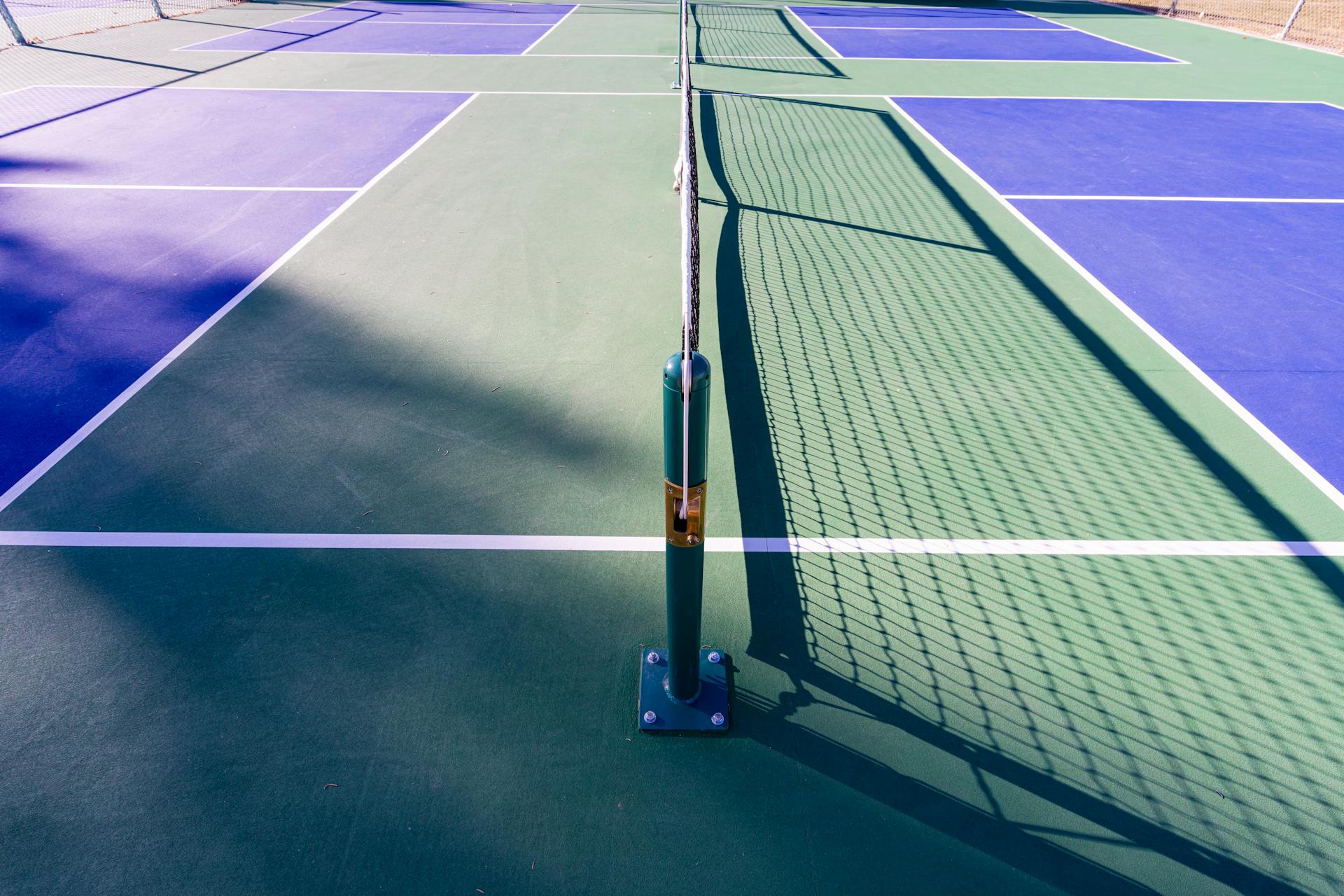
Photo by Frank Schrader
A Carbon Wheel Brand That Became a Pickleball Manufacturer
Perhaps the most symbolic shift comes from the manufacturing side. The former Forge+Bond operation, known for advanced thermoplastic carbon fibre wheelsets, has relaunched as F+B Sports, producing high-tech pickleball paddles instead of bicycle rims.
From a business perspective, the pivot is understandable:
• Lower materials cost
• Shorter production cycles
• Higher margin potential
• A rapidly expanding consumer base
But for the cycling trade, it’s a red flag. When a company with cycling-specific composite expertise finds better returns outside cycling, it speaks to broader market pressures—especially after the post-pandemic correction and ongoing inventory overhang felt by many distributors and retailers.
It is definitely on the minds of carbon fabricators, as they consider pivoting to the fastest-growing sports right now.
The Space Competition Problem: Velodromes, Trails and Pump Tracks
The cycling industry relies on physical spaces as critical gateways into the sport—spaces that are increasingly under strain.
Velodromes
High-cost, low-utilisation velodromes are closing or scaling back in the UK, Australia, and parts of the US. Indoor multisport arenas or padel courts often replace them due to better revenue-per-square-metre.
Mountain Bike Trails
MTB trail access is becoming harder in urban and peri-urban zones, with environmental restrictions, insurance pressures, and budget realignments all slowing new development. Meanwhile, padel’s low land impact has made it attractive for private operators.
Pump Tracks
Municipal pump tracks—often catalysts for youth entry—are being cut back or replaced as councils chase the “quick win” of pickleball court installations that serve more people per hour and require less specialised maintenance.
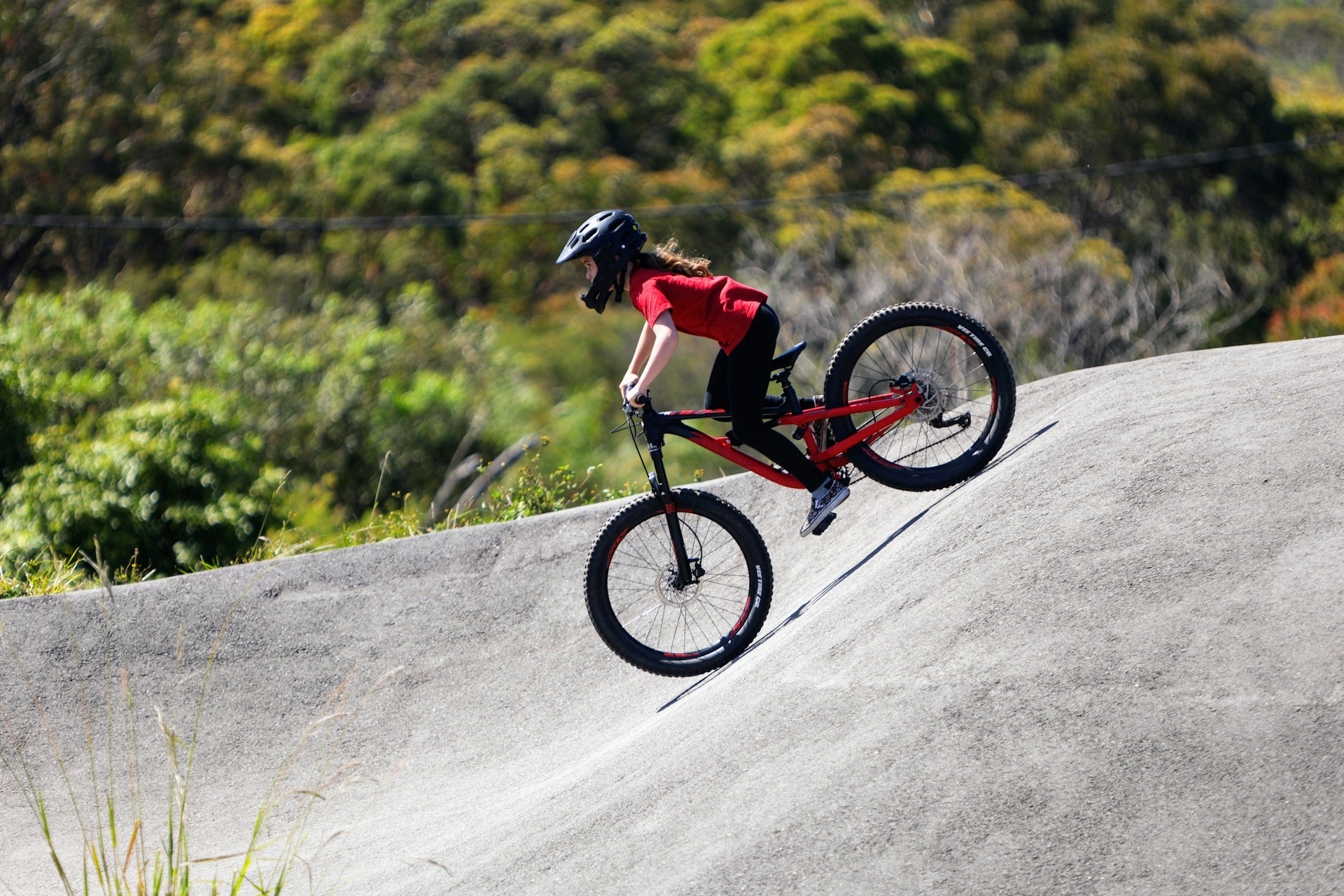
Photo by Adam Sayer on Unsplash
For bike industry people, these shifts matter:
Fewer grassroots cycling spaces equal fewer new customers entering the rider pipeline.
Pickleball and Padel: Why They’re Winning the Space Race
From a planning, participation and investment standpoint, the reasons are clear:
• Rapid uptake across all age groups
• Low initial infrastructure cost
• Ease of understanding and a fast learning curve
• Compact footprint—four pickleball courts fit on one tennis court
• Commercial viability for private operators
• Strong social and community appeal
Padel in particular is booming across Europe and the Middle East, attracting commercial investment in ways that resemble the early indoor-climbing wave. Operators in Spain, Italy, the UK and the Netherlands are aggressively expanding, fuelled by predictable revenue, year-round activity, and minimal staffing.
This level of momentum competes directly with sports requiring more land, more maintenance and more specialised equipment—cycling included.
But Is Cycling Really Losing Its Shine?
Not universally. Cycling remains robust in many sectors:
• E-bikes continue driving commuter and lifestyle categories worldwide.
• Gravel remains one of the strongest post-pandemic segments, with events booming and bike sales stabilising at high levels.
• Mountain biking still anchors tourism economies in destinations like British Columbia, Slovenia, Italy and Tasmania.
• Cargo bikes are surging across Europe, supported by policy shifts and urban logistics evolution.
The real challenge is not cycling’s overall health, but the erosion of entry-level, youth-level and infrastructure-dependent forms of cycling—the very activities that feed long-term participation and retail engagement.
Implications for Bike Industry Stakeholders
- Shrinking youth pathways
Fewer pump tracks or BMX areas mean fewer kids moving into BMX Race, MTB, or freestyle. Retailers feel this first.
- Reduced community cycling visibility
When courts replace trails or jumps, cycling loses cultural presence in everyday community spaces.
- Competitive pressure for land and investment
Advocacy is becoming essential: councils respond to loud, organised user groups. Cycling must speak up.
- Manufacturing volatility
If suppliers find more stable growth categories outside cycling, more pivots like F+B Sports may follow.
- The need for hybrid or modular solutions
Mixed-use pump tracks or urban micro-MTB parks can help cycling justify the land it occupies.
What the Cycling Sector Can Do Next
• Partner more closely with municipalities, providing usage data and development frameworks.
• Support multi-use facility models to increase perceived value.
• Promote cycling’s role in tourism, health and economic growth, not just recreation.
• Strengthen youth programmes to demonstrate continued demand.
• Collaborate with the broader active-lifestyle ecosystem, positioning cycling not as a competitor but as a complementary pathway.
Cycling isn’t disappearing—but it is being challenged in ways the industry cannot ignore. Pickleball and padel have seized the cultural moment, gained political favour, and demonstrated commercial potency. In doing so, they’re reshaping the recreational landscape.
For the global cycling trade, the message is clear:
If we want the next generation to ride, we must defend, innovate, and reinvest in the spaces where cycling begins.
