
Welcome to the second instalment of Trade Talk, a new regular opinion series inviting you to share your views and perspectives.
Whether you are an independent bike dealer, a workshop mechanic, a brand executive, a distributor, or an industry advocate, Trade Talk is your platform to share insights, spark constructive debate, raise important questions, or offer practical advice on the issues that matter most to your business.
Want to contribute? We invite pieces between 800-1500 words on any trade topic. If you wish to speak freely on sensitive commercial issues, submissions can be published anonymously (subject to confidential verification by our editorial team)
To submit an idea or draft for Trade Talk, reach out directly to the editorial team at ljenkins@datateam.co.uk
Editorial Disclaimer:
The views, thoughts, and opinions expressed in the ‘Trade Talk’ series belong solely to the individual author and do not necessarily reflect the official policy, position, or views of BikeBiz, its editorial team, or Datateam Business Media LTD. BikeBiz provides this platform for open industry debate and accepts no responsibility or liability for the claims or opinions expressed by guest contributors.
Must Do Better
You’re failing your customers
The industry’s in crisis. Not my words, but yours, and your mate who works for that other brand, and her boss…
It’s what I hear from the lips of every brand manager, cycle store owner, media partner and athlete I talk to. If you want to do something about it, start by reading this. You might not like it much, but it’s all true.
Can’t stop, won’t stop
There are too many bikes.
Way too many. Too many on the market, in the stores, perhaps even from your brand. And too much tech to go with them. Too many components, too many items of clothing, too many helmets, too many (insert your last spurious product launch here).
Wave after wave of brands, churning out bike after helmet after fork year in year out, in the mistaken belief that they can win a race very few of their customers are in, or care about.
The problem isn’t the desire to innovate. The problem is that this industry conflates innovation with attention and profit, and obliges us all to worship innovation above all else, when most riders couldn’t care less.
You don’t know your customers very well
Honestly? You don’t even seem to like them all that much. If you did, you’d be doing more to help them.
95% of your audience isn’t that fit. They’re not that good at riding their bikes. They don’t care about race results, or stack height, or whether they have a 40 or 42 tooth chainring.
They like bikes because of how riding makes them feel. They don’t want that feeling to change. When they’re on their bikes, they’re happy.
So they spend most of their cycling energy on riding, planning rides, talking about rides, looking at pictures of people riding…and way less than you think on the specs of their bikes.
Be honest. As a brand, how many of your audience’s conversations do you even know about, let alone listen to? And if you’re not listening to them, why should they care about you?
They don’t see themselves in what you do
Go ahead and open the latest issue of a bike magazine, or the social feed of a major bike brand – anything from the top-down gatekeepers of cycling culture.
Count how many women you see. Or riders of colour. Or small kids. Or pierced, tattoo-covered gravel obsessives with 2K of bike bags on a reconditioned 80s hardtail.
They’re not there. But they’re the ones riding, organising, building their own brands, websites, and cycling clubs. Starting the brands that make the stuff they really want.
If your audiences felt you supported them, they’d welcome the help – and probably thrive as a result. But you’re not doing that. You’re working as hard as you can to engineer a reason they should replace the last thing they bought from you, less than two years ago, for no good reason.
How’s that strategy working out, btw?
Performance is boring
Admiration isn’t the same as aspiration. Everyone who cares about cycling respects skill. They recognise talent, speed, stamina…But if you treat 100% of your audience as if that’s the only thing they’re supposed to want for themselves, you’re selling them short.
Most riders know they’re not going to be the best – probably not even on their favourite local Strava segment. Most don’t even want to be.
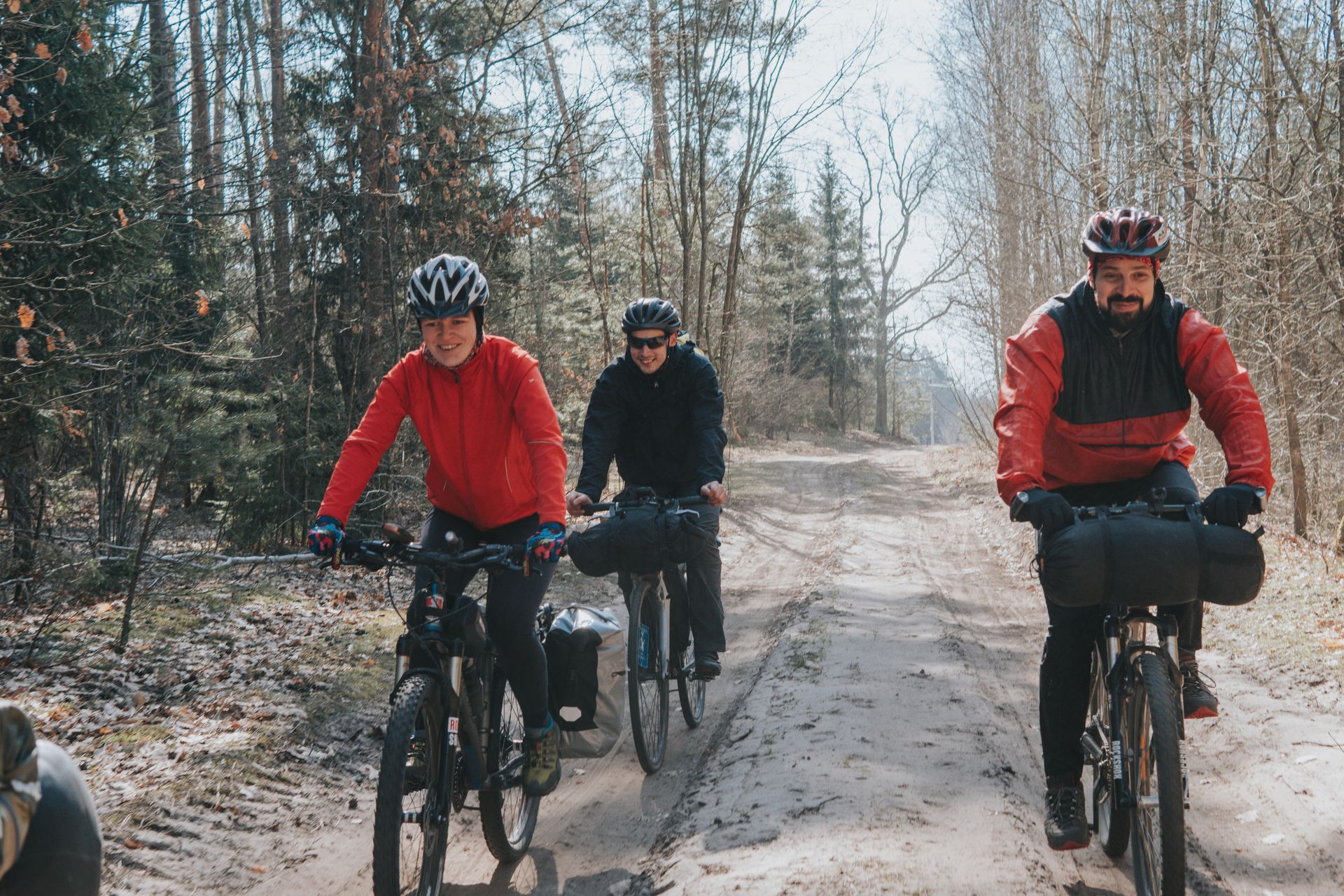 Photo by Дмитрий Карачун on Pexels
I’m not talking about the folks on your social feed, ardently debating whether you should have added 2mm to your rim width, or switched out an aluminium rear triangle for a carbon one. They’re not the ones you need to worry about – you’ve already got them.
You need to worry about the people that don’t sweat the specs, that don’t follow the pros, that couldn’t care less about what grade of carbon you’re using. If you don’t, and your every message, story, product launch and social post is aimed at an elite cadre of competitive engineering fans, you’re ignoring most of your audience. And you deserve to be ignored in return.
DIY cycle culture is way ahead of you
There’s mad stuff going on out there. Crazy amateur race events. Themed film nights with turbo-trainer races and cocktails. Accessible coaching programs for kids or older women or non-binary riders.
Look around you. Your audiences are tired of the lack of imagination, creativity and care that they’re seeing from you. They’re bored stiff. Which is why they’re doing it without you. They’re building trails. Making their own merch. Partnering with brands outside the cycling space to create the experiences they want to have – experiences you should be helping them with.
Take Pit Vipers, for example. Personally, I’m not a massive fan of the WWF meets ski bum aesthetic, but that’s not the point. The point is that it’s joyfully taking the piss out of extreme sports, in a way that captures fans in road cycling, MTB, gravel, skiing and more.
Watch their event crew sometime. While everyone else is fretting over how to place their latest product just right on a tray of artificial pebbles, the Pit Vipers people are setting up a pedal-powered margarita blender and hurling freebies into the crowd. Or take a look at how well their retail displays – converted 80s arcade machines – stand out in bike stores.
They’ve never said a single word about ‘performance’, or what materials they use. Because they understand that their audience cares way more about having a good time.
So if you stop telling your audience how to behave and start thinking about how to make them feel good, you might get some loyalty that lasts longer than your next quarterly sales review.
It’s supposed to be FUN
Watch a group of riders just after they’ve finished a ride. Doesn’t matter if it’s a Sunday morning XC grind, a gruelling club road race or a pootle around the lake with the kids. They are not talking about whether that longer stem improved their ride feel, or debating whether to put another few PSI in their tyres. They’re talking about what they did, who they did it with, and how it made them feel.
Even at the very top – in the rarefied air of the TDF podium, or the Rampage drop-in- take a look at who your audience really connects with. It’s not the winners, a lot of the time. Those victors get respect, admiration, and envy. But it’s the people’s champions that get the love. They look like us, talk like us, ride with us. They are still us, despite their success. Lachlan Morton, or Danny McGaskill, or Maddy Nutty – they’re a good time, and everyone knows it.
The audiences that love those riders don’t respond to ads, or buy bikes, or share video posts, or interact with you and your brand in any way unless there’s a chance they’re going to have fun.
When was the last time you helped any of them do that?
Put riders first
You don’t have to like this rant, or respect my opinion in any way, to recognise the truth in what I’m saying. Just take a look outside the cycle industry, and see how hard successful brands in other sectors work on their audience relationships. Doesn’t matter what the product is – could be anything from bottled smoothies to digital banking. Don’t just look at what they make; look at how they behave. If they’re winning, it’s because they think about their audiences. Care about what they care about. Listen to them, respond to them, and try to work out what they need before they need it.
If you think that all your audience needs is last year’s bike with a tiny geometry change, or the same helmet with a different colourway, then keep doing what you’re doing. But if any of this rings true, then maybe it’s time to think again.
