
This piece first appeared in the May 2026 edition of BikeBiz magazine – not subscribed? Get a free subscription.
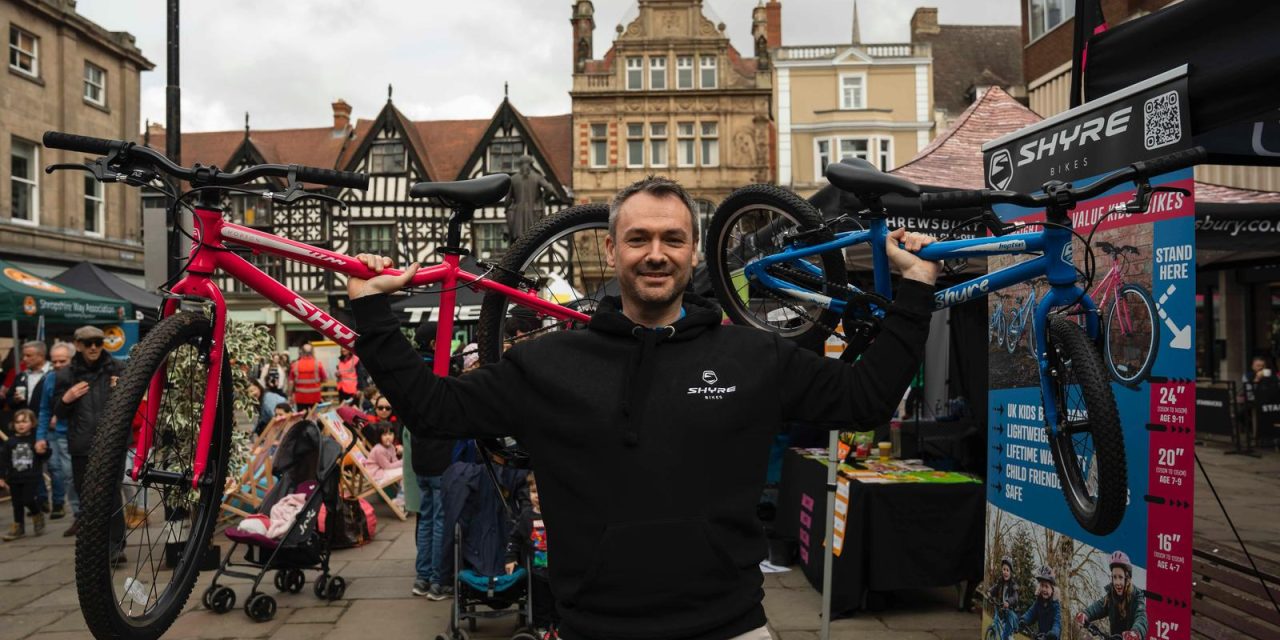
By Kevin Williams, Co-founder of Shyre Bikes
I came into this industry eighteen months ago with no trade background, no wholesale contacts, and no distribution network. What I did have was fifteen years of operational experience in social housing, a scaled food delivery business behind me, and a genuine outsider’s perspective on how a market works – or doesn’t.
I’m sharing that not to position myself as someone with all the answers, but because I think the view from outside a sector is sometimes the most honest one available. And from where I’m standing, the kids’ bike market is one of the most commercially compelling opportunities in cycling – with a depth to it that I’m not sure gets talked about enough.
What brought us here
Before Shyre Bikes, I built and scaled Zoom Food – a food delivery app that grew to hundreds of thousands of orders across Shropshire and into Wales. It taught me a great deal about operational efficiency, customer acquisition, and the realities of scaling quickly. It also taught me something more uncomfortable: I was building something that made it easier for people to stay indoors and stay sedentary. That sat uneasily with me for a long time.
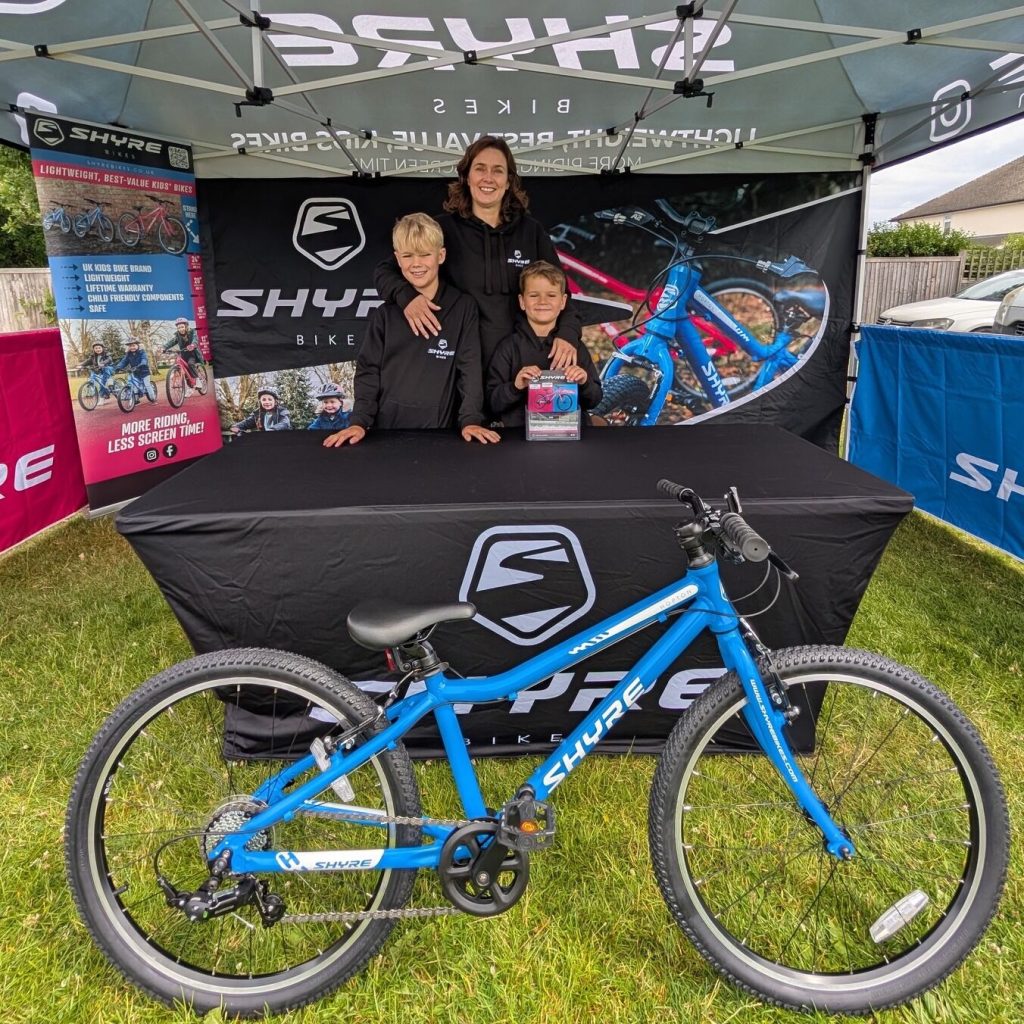
My wife Michelle and I started buying and reselling kids’ bikes from brands that were no longer trading, passing the savings on to local families and learning the market from the ground up. What began as a simple operation quickly revealed something we couldn’t ignore. Parents were underserved. The buying experience was often confusing, after-sales support was patchy, and the connection between a brand and the families buying from it felt transactional rather than relational. We saw a different way to do it, and Shyre Bikes was built around that vision.
Eighteen months later, we’ve sold 1,500 bikes – direct to consumer, without a significant marketing budget and without established retail distribution. I mention that figure not to boast, but because I think it raises a question worth sitting with: what does it tell us about unmet demand in this segment when a brand new entrant with none of the traditional advantages can find that kind of traction, that quickly?
Experience first – always
The thing that has shaped Shyre more than anything else is a commitment to being an experience-first brand. And crucially, that means living the values we promote, not just marketing them.
Michelle and I take our family on cycling holidays. We ride trails together. We go to events. We put our kids on bikes, and we go and explore – because that’s genuinely who we are, and it informs every decision we make about the brand. When we talk about getting families outside, about the mental and physical benefits of cycling together, about building habits that last a lifetime – we’re not writing copy. We’re describing our own lives.
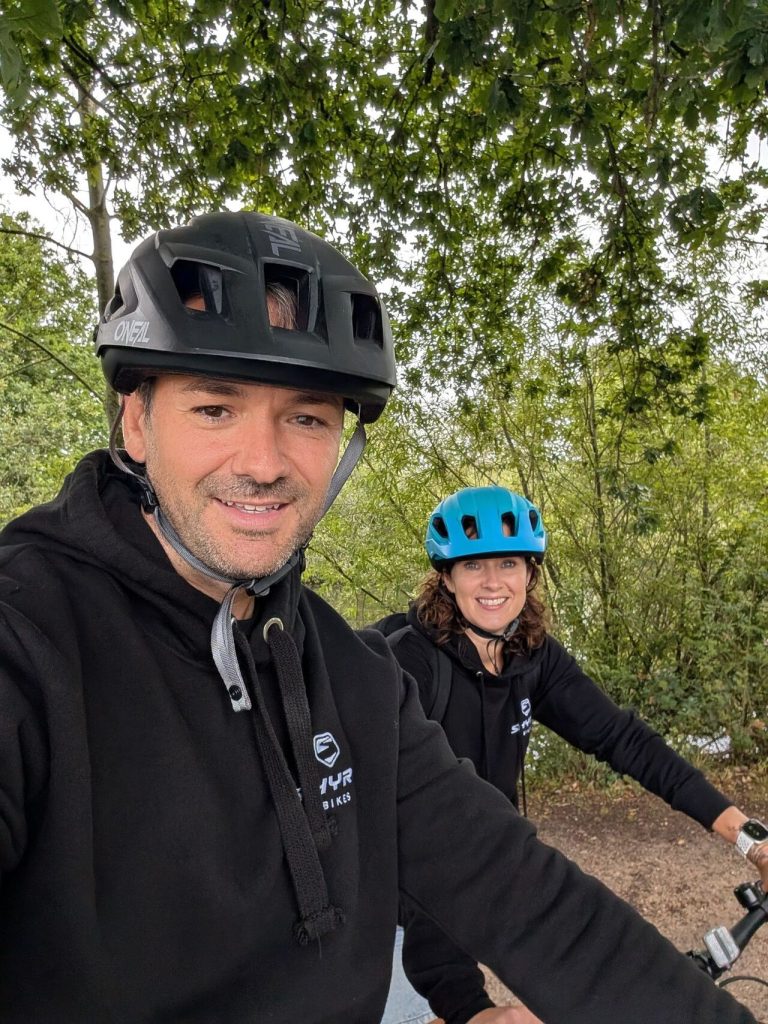
That authenticity is hard to manufacture, and I think families sense it immediately. They’re not buying a bike from a catalogue. They’re buying into a community of people who actually ride, who understand what it means to convince a reluctant eight-year-old to leave the house, and who are genuinely invested in what happens after the box is opened.
We show up at cycling festivals and events not because it’s a marketing tactic, but because those are the places where our kind of families gather. The conversations we have on those weekends feed back directly into how we develop products, how we communicate, and how we think about the next stage of the brand. That loop – between lived experience, community, and product – is the thing we protect most carefully as we grow.
The commercial case hiding in plain sight
Here’s something I wish I’d understood more clearly before we launched, and something I think the wider trade would benefit from leaning into more deliberately.
The children’s bike customer is structurally the best repeat customer in cycling. A child who starts on a balance bike at two could be riding a 24-inch bike by nine or ten – that’s four or five purchases from the same household, driven not by marketing but simply by a child growing up. No other segment offers that kind of natural, built-in repeat purchase cycle.
Brands and retailers that invest in making the trade-up experience seamless – that stay connected to families between purchases, that make the next size feel like a natural continuation rather than a new cold transaction – are sitting on a customer lifetime value that most other cycling categories can only envy. We’ve built Shyre around that model deliberately, and families who bought from us early are already returning for their second and third bikes. The return on that initial relationship, handled well, compounds significantly over time.
It’s a commercial argument that should resonate with anyone thinking seriously about this segment – whether that’s ranging decisions in retail, product architecture for a brand, or how after-sales communication gets resourced and prioritised.

What we’re building next
We’re working with new and existing supply partners to expand our range meaningfully this year. Jump bikes and electric bikes are joining our balance and pedal bike lines, alongside new colourways across our existing range. The pipeline reflects where we believe the market is heading – broader in ambition, more adventurous in product, and increasingly relevant to families who want a brand that genuinely grows alongside their child.
Alongside the product expansion, we’re deepening the experience side of what we do. More events, more rides, more moments where Shyre families come together around cycling rather than just around a purchase. That community is the thing we’re most proud of, and it’s what we’ll continue to invest in regardless of how quickly the product range grows.
We’re eighteen months in and very much still learning. But the families responding to what we’re building have given us enormous confidence that the opportunity here is real – and that the brands who lead with experience, authenticity, and a genuine understanding of the repeat purchase journey will be the ones that matter most in this market over the next decade.
