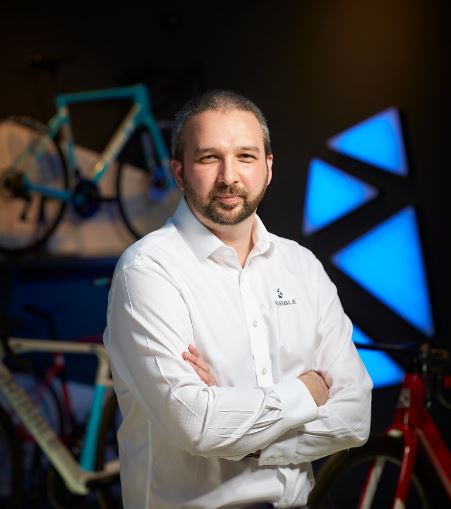
Ribble Cycles has undergone quite the transformation in recent years. From sponsoring UCI teams to designing aero racing bikes, and branching out into electric bikes, there’s lots to shout about from the British brand. We sat down with Commercial and Marketing Director, David Stacey, to catch up on the company’s success and looking ahead to plans for further down the line.
Firstly, let’s talk about recent Ribble announcements. I’d love to touch on the launch of the partner network. Could you please explain a little of the background on that?
The partner network really came from a simple observation that buying a bike is only part of the journey. What matters just as much is everything around it. As a direct-to-consumer brand, we’ve always focused on delivering a highly personalised product, built to order in Preston. But we also recognise that riders want support, services and expertise beyond the point of purchase. So the partner network is about bringing together best-in-class providers (such as insurance through Laka or fitting through The Bike Fitters) and curating an ecosystem around the bike. It’s about making sure a Ribble customer has a consistently great experience, not just when they buy the bike, but throughout ownership.
And how does Ribble see this as a way of improving relationships with dealers or customers?
For customers, it’s about confidence and convenience. We’re removing friction and connecting them with services we trust and use ourselves. From a trade perspective, it’s also an important evolution. We don’t see direct-to-consumer as meaning distant, in fact its quite the opposite. With initiatives like Service OutPosts and the partner network, we’re creating more ways to collaborate with the industry, whether that’s independent retailers providing local support, or specialist partners enhancing the ownership experience. It’s a more open, ecosystem-led approach and one we think is better for riders and the wider industry.
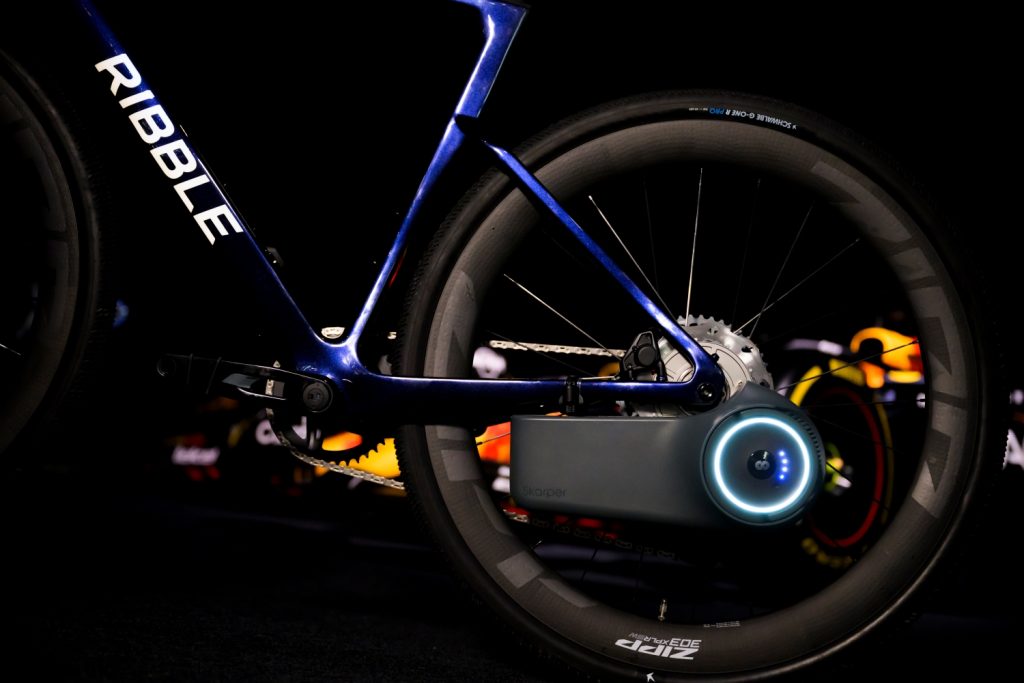
Then there’s the Skarper news, so Ribble will now be offering the option to pair one of their analogue bikes with an e-bike conversion kit. Please can you tell us more about that?
Skarper was genuinely interesting to us because it enables something new. We’ve spent years developing some of the best integrated E-Bikes on the market that look and ride like traditional bikes, but what Skarper offers is flexibility – the ability to convert a bike to electric and back again in seconds. When we first rode it, we were impressed by the engineering and how seamless the experience felt. It’s a very elegant solution. For us, it’s about giving riders more choice. Not everyone wants a permanently integrated E-Bike, and this opens up new use cases whether that’s occasional assistance, easier storage, or electrifying bikes like Titanium where we haven’t traditionally offered an E-platform.

Ribble expands its Partner Network with Service OutPosts
What made Ribble go down that route when the brand already offers an extensive range of in-house e-bikes?
We see it as complementary, not competitive. Our in-house E-Bikes are designed to deliver the best possible integrated ride experience that’s lightweight, balanced, and optimised from the ground up. Skarper serves a different need. It’s about optionality. It allows customers to adapt a bike depending on the ride, the terrain, or even their stage of riding. And importantly, it brings electric capability to parts of our range that wouldn’t naturally lend themselves to full integration. Ultimately, it’s about meeting more rider needs, rather than forcing a single solution.
What do you think the future plans will be for Ribble within the e-bike and micromobility space?
The E-Bike space continues to evolve quickly, and we think the direction of travel is clear: lighter systems, better integration, and more intelligent use of assistance. Particularly in Ribble’s core areas of road and gravel, riders don’t want to feel like they’re on a different category of bike. They want something that enhances the ride, not defines it. We’ll continue to develop our core E-platforms in that direction, while also exploring adjacent opportunities where they make sense, like Skarper. More broadly, micromobility is about enabling more people to ride, more often. If we can remove barriers whether that’s fitness, distance or practicality, that’s a positive for the whole category.
And, Ribble’s future in general, where is the brand heading in 2026? Any other big announcements on the horizon?
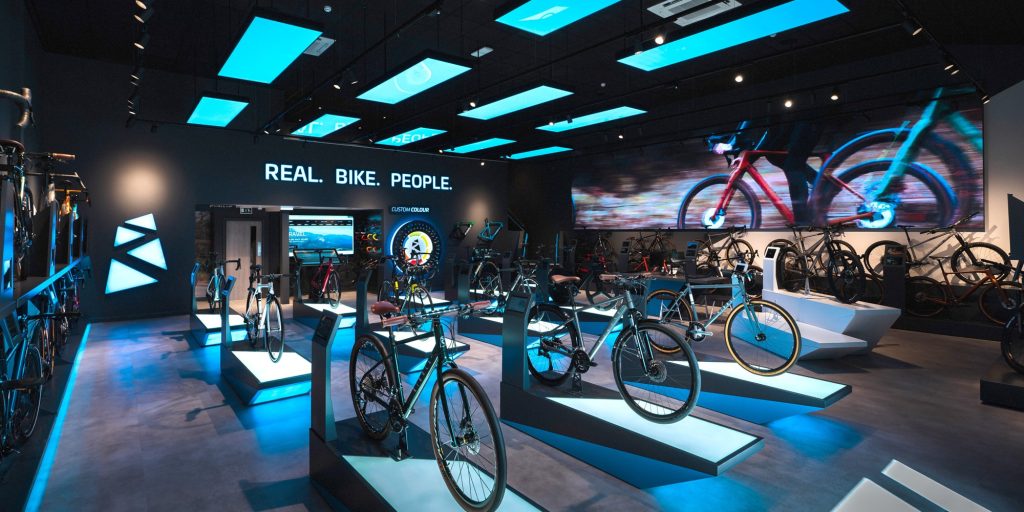
We see a lot of opportunity ahead. Gravel remains a major focus for us. It’s a category that continues to grow, and one that’s particularly well suited to UK riding. We’ve invested heavily there, from product through to launching the UK’s first pro Gravel team, the Ribble Outliers, and we’ll continue to push that forward. At the same time, we’re developing the broader Ribble experience by expanding our service infrastructure through OutPosts, growing the partner network, and continuing to refine our build-to-order model. At our core, we’re focused on delivering the best possible bike for each individual rider, whether that’s a £1,000 commuter or a £10,000+ dream build. There’s more to come, but the direction is clear: better product, better experience, and a stronger ecosystem around the rider.
If there’s one thing I’d highlight, it’s that Ribble has always done things a little differently. From mail order through to online configurators, custom paint, building bikes in the UK and now service and partnership models, we’ve never been afraid to take a different path if we believe it benefits the rider. That mindset hasn’t changed, it’s what will continue to drive us forward and why we think of ourselves as the original outliers.